Silicone kitchenware stands out as a green choice because of how it's made. While most plastics come from oil, silicone actually comes from sand something we have plenty of on this planet. That makes a big difference in sustainability. When manufacturers make silicone products, they tend to produce less carbon pollution than when making regular plastic stuff. Another plus point? Silicone can handle really hot or cold temperatures without breaking down. So when we put our silicone spatula in the oven or freezer, no weird chemicals leach into our food. For anyone trying to cut down on waste and keep their kitchen safer, switching to silicone makes sense. Plus, these items last longer than many plastic alternatives, which means less trash ending up in landfills over time.
Looking at how sustainable silicone really is requires taking a good look at what happens throughout its life cycle, especially regarding whether it breaks down naturally or gets recycled. The truth is silicone won't decompose on its own in nature, so it sticks around for ages. But here's where things get interesting compared to regular plastic stuff we see everywhere. If handled correctly during recycling, silicone materials can actually be reshaped into completely different items, which helps keep waste out of landfills. More recycling centers across the country are starting to handle silicone these days, showing there's growing interest in making better use of this material instead of tossing it away after one use. And let's talk about kitchenware specifically since that's where most people encounter silicone daily. These items tend to stick around much longer than their plastic counterparts before needing replacement. That longevity translates to fewer replacements needed over time, which means less demand for raw materials and ultimately saves our planet's precious resources. So when considering all these factors together, silicone comes out looking pretty good as an environmentally friendly choice despite its limitations.
Switching to silicone kitchen tools helps cut down on all that plastic trash piling up at home, which is pretty much what everyone wants these days if they're trying to live with less waste. When families swap out those cheap plastic spoons and containers for good quality silicone versions, they actually see a big drop in how much plastic ends up in the bin. Studies from places like Stanford University back this up, showing silicone items really do make a dent in household plastic waste problems. These things last ages too, so there's no need to keep buying new ones every few months like with plastic stuff. The average family might go through dozens of plastic utensils a year, but one set of silicone will stick around for years. Going the silicone route isn't just good for landfills either. Every time someone picks silicone over plastic, they're helping reduce the mountains of garbage choking our oceans and parks, making the planet a bit better place for future generations.
Silicone kitchen tools have become pretty popular lately because they're generally considered safe for touching food. Unlike some plastic alternatives, good quality silicone doesn't have those nasty BPA chemicals that people worry about these days. Most brands get stamped with FDA approval which basically means they've passed tests showing they won't release toxic stuff into our meals. What makes silicone really stand out though is how stable it stays under all sorts of cooking conditions. Even when scraping against tomatoes or standing in hot oven temperatures, these utensils just sit there without letting anything bad seep into what we eat. For folks who care about what goes into their bodies, this kind of reliability makes silicone worth the extra cost compared to cheaper options that might break down over time.
What sets silicone apart is its amazing tolerance for extreme temperatures, working well anywhere between -40 degrees Fahrenheit all the way up to 450 degrees. Plastic just can't compete here since silicone won't melt or get deformed when exposed to high heat, making these tools last much longer than their plastic counterparts. The fact that they stay solid even when hot really matters because it keeps the shape intact and cuts down on accidents while cooking. That's probably why so many home cooks end up gravitating toward silicone gadgets for their kitchens. They simply offer better safety margins and work efficiently without breaking down over time.
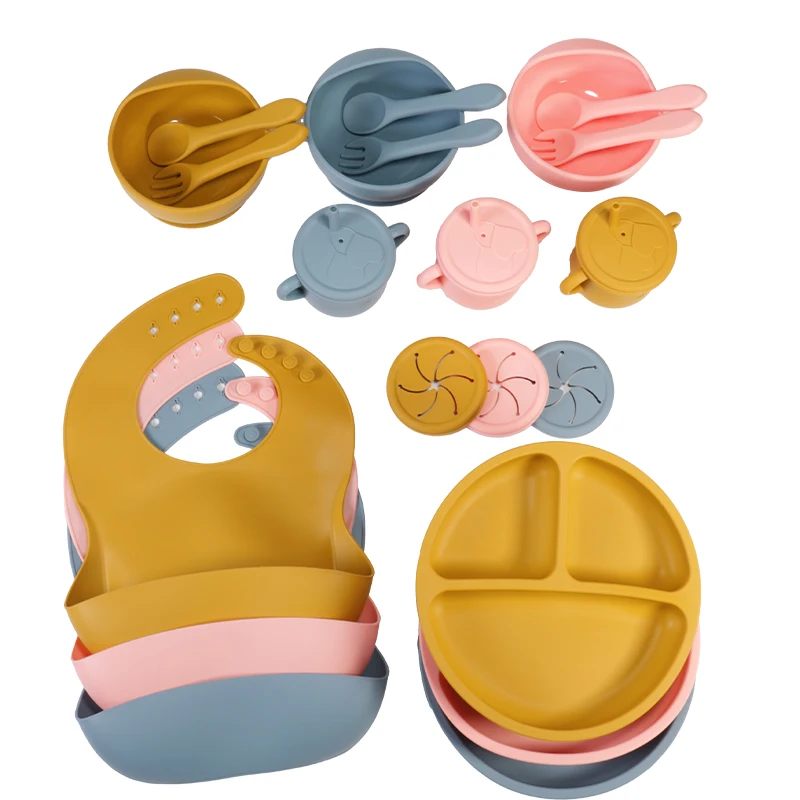
When it comes to baby feeding gear, silicone sets really stand out because they put safety first. These items are made without those sharp corners we often see in regular utensils, which can accidentally hurt little mouths during mealtime. Parents love how soft silicone feels against babies skin too many find it much gentler than plastic alternatives. Cleaning these things isn't hard either something most exhausted parents appreciate after midnight feedings. Just remember to always go for BPA free options when shopping around for babyware nobody wants chemicals leaching into food meant for tiny tummies. All told, the combination of safe materials and practical design explains why so many families reach for silicone feeding sets these days especially when baby health matters most.
When it comes to lasting power, silicone beats out old school materials like plastic and wood hands down. Take plastic for instance it just doesn't hold up as well. Some tests suggest silicone lasts about ten times longer than regular plastic stuff. Why? Because silicone bends instead of breaks, so it doesn't crack or snap easily like those other options do. People who actually cook know this too kitchen tools made from silicone take a real beating but still stick around for years. And let's talk about wood versus silicone. Wooden spoons and spatulas tend to collect germs in all those little grooves they develop over time. Silicone won't do that, which makes it way better for keeping things clean in modern kitchens where everyone seems obsessed with sanitizing everything these days.
Silicone kitchen tools are really versatile stuff, adapting pretty well to just about any cooking situation. They work fine in the oven, microwave, or even freezer without melting or cracking, which shows how adaptable these items actually are. What makes them stand out is that soft texture, so they won't scratch those expensive non-stick pans most people have nowadays. The material doesn't damage surfaces while still getting the job done. Plus, silicone handles everything from baking bread to boiling pasta to roasting vegetables, basically covering most of what happens in a kitchen. No wonder so many home cooks have switched to silicone gadgets lately.
When looking at environmental effects, silicone actually stands out better than old school rubber options. Making silicone doesn't require cutting down trees like rubber production does, which is a big plus for forest conservation. Studies show something interesting too silicone materials tend to get recycled and put back into use, while most rubber stuff just ends up tossed after a short time. The fact that silicone can go through this cycle helps green initiatives quite a bit. Another thing worth mentioning is how silicone manufacturing and disposal processes release fewer bad chemicals into the air compared to regular rubber. For people who want to shrink their carbon footprint without sacrificing quality, this matters a lot. That combination of lasting usefulness and eco benefits explains why so many industries now prefer silicone over traditional alternatives.
Picking out silicone kitchen utensils isn't just about grabbing whatever looks good on store shelves. Safety should come first, so look for products labeled BPA free and approved by the FDA. These labels matter because they indicate the materials won't leach harmful chemicals when heated during cooking or food prep. Think about how the set will actually get used too. Someone who bakes frequently might need silicone spatulas and cake scrapers, while someone who cooks mostly on the stovetop would benefit more from heat resistant ladles and slotted spoons. Don't skip reading online reviews either. Check sites like Amazon or specialty kitchen forums to see what real users report about grip strength, heat resistance, and how well the silicone holds up after months of daily use. Taking these factors into account makes all the difference when finding utensils that last through countless meals without breaking down or warping.
For anyone trying to cut down on waste in their kitchen, silicone food storage bags really make a difference. These bags can be used again and again, so people don't have to keep buying those one-time plastic bags that just end up in landfills. What's great about them is how they work everywhere - throw them in the freezer, pop them in the microwave, or toss them into the dishwasher. No need to worry about melting or breaking. Looking at what's happening in stores right now, more folks seem to be choosing silicone instead of regular plastic bags. This switch shows that people are starting to care more about sustainability when shopping. Plus, using these bags actually makes cooking and meal prep easier since everything stays fresh longer and there's no mess from broken plastic.
Taking care of silicone kitchen tools makes all the difference in how long they last. Most people just toss them in the dishwasher, but hand washing with mild soap works better for keeping them looking good. Some folks don't realize that putting silicone near open flames or letting knives scrape against it will actually ruin the material over time. The texture changes and they start to break down faster. When shopping around, look for brands that offer some kind of warranty on their silicone goods. This gives peace of mind knowing that if something goes wrong within a reasonable timeframe, there's still support available. Good maintenance practices save money in the long run since replacements become unnecessary, plus it means less waste going into landfills from damaged cookware.

 EN
EN