What makes silicone so non-stick? Look at its molecular makeup. Silicone is basically made up of these long chains called siloxanes, which consist of silicon and oxygen atoms linked together. Because of this special arrangement, silicone naturally pushes away water, which explains why food doesn't stick to it. Another thing about silicone that helps with its non-stick properties is how stretchy and flexible it is. Those flexible bonds let the material shift and bend when something presses against it. Food particles just can't get a good grip on the surface. That's why cakes and cookies pop right out of silicone baking molds without sticking or breaking apart. Most home bakers will tell you this works better than traditional metal pans for delicate pastries too.
Silicone stands up pretty well against big swings in temperature, which is why many people choose it for their baking needs. The stuff actually works across quite a range too cold stuff down around minus 40 degrees Celsius all the way up to about 230 degrees. Compared to old fashioned materials such as metal pots or ceramic dishes, silicone handles these extremes much better than most alternatives out there. Some tests have indicated that silicone keeps its form and function intact even after going through quick shifts between hot and cold environments. For anyone who wants to freeze something one day and then pop it into a super heated oven the next, silicone offers flexibility that just isn't available with regular non stick surfaces we've seen before.
When comparing silicone versus PTFE or Teflon coatings, there are quite a few important distinctions worth noting across several key areas including performance characteristics, health considerations, and environmental footprint. PTFE has a tendency to emit dangerous chemicals such as PFOA if exposed to excessive heat levels, whereas silicone remains stable even under high temperature conditions without releasing any toxic gases. The fact that silicone is chemically inert means it won't transfer anything harmful into food during normal cooking processes. From an ecological standpoint, silicone stands out because it breaks down much cleaner than PTFE coated cookware which tends to leave behind problematic residues over time as those chemicals start breaking apart. For these reasons among others, many people now opt for silicone products when looking for kitchenware options that prioritize both personal safety and planet friendliness.
Most bakers swear by silicone bakeware because it just works so well when it comes to letting things out of the pan. Traditional metal or ceramic baking sheets can be real headaches sometimes, but silicone molds have these amazing non stick properties that let cakes, cookies, and other treats pop right out without any mess or damage. No more fighting with stuck-on bits or ruined layers. According to some recent research from kitchen appliance experts, folks who switch to silicone tend to be about 30 percent happier with their results than those still clinging to old fashioned materials. That makes sense when you think about all the frustration saved from dealing with broken pastries or having to scrape remnants off stubborn surfaces. For anyone serious about baking, investing in good quality silicone molds really does make a world of difference in both the final product and how much food actually gets eaten instead of tossed into the trash.
Silicone molds have become something of a game changer for bakers wanting to tackle those really detailed designs and delicate shapes that just don't work well in traditional metal or ceramic molds. Metal pans tend to stick to everything, especially when trying to get those fancy textures or complicated patterns onto cakes and pastries that specialty bakers love so much. What makes silicone so great is how easily baked goods pop right out of them, even after creating all sorts of intricate patterns without damaging anything. Take a look at the cupcake molds available these days - there are ones shaped like flowers, stars, and other geometric patterns that would be impossible to achieve with regular materials. For home bakers and professionals alike, having access to these molds opens up whole new worlds of creativity. Suddenly, making birthday cakes with custom themes or holiday cookies with elaborate decorations becomes totally doable instead of just dreaming about it.
Silicone baking molds are really tough stuff, which explains why they keep their non-stick qualities for so long. What makes them stand out from regular metal or ceramic molds? Well, they just don't tear or crack easily like those others tend to do. Some testing showed these silicone molds actually last around three times longer than traditional options before needing replacement. And even after all that time, they still work great without losing their non-stick magic. Bakers love how silicone holds up through constant bending and shaping during cleanup without warping or breaking down. For anyone who wants something that will pay for itself over time while making kitchen tasks easier, investing in good quality silicone bakeware definitely makes sense in the long run.
When it comes to silicone bakeware, getting those food grade certifications matters a lot for safety reasons. The FDA stamp basically means the product passes US safety checks for food contact, so we know the silicone won't release bad stuff into our cookies or cakes during baking. Over in Europe, there's this LFGB certification too which looks at similar things but follows different testing protocols specific to EU regulations. Manufacturers need to be aware that nowadays shoppers actually look for these marks when buying kitchenware. Recent surveys indicate around 70% of consumers check for certification before purchasing anything that touches their food. So having either FDA or LFGB approval isn't just about meeting legal requirements anymore it's becoming essential for building customer confidence and standing out in competitive markets where health concerns drive buying decisions.
A lot of folks seem confused about whether silicone cookware is actually safe to use. They tend to get worried about chemicals possibly leaking into food when heated up. But according to research done by groups like the FDA, good quality silicone doesn't break down easily and works just fine in ovens and on stovetops. Most of these misunderstandings come from mixing up regular food grade silicone with cheaper alternatives that sometimes include harmful stuff mixed in during manufacturing. When shopping around, look for products stamped with proper certification marks. That way home cooks know what they're getting won't cause problems, making those silicone pans and spatulas pretty reliable items for anyone who spends time in the kitchen.
The special way silicone is built, with those long chains of silicon and oxygen atoms, gives it amazing heat resistance. That makes it great stuff for baking molds really. When we cook things in silicone, there's much less chance of weird chemicals getting into our food. Tests show that even when heated to crazy temperatures, silicone stays pretty much the same. Most other materials start breaking down or letting off stuff we definitely don't want in our cookies. Silicone just hangs in there without changing much. For folks who bake regularly, this matters a lot. They want something that lasts forever, doesn't taste bad, and won't poison anyone accidentally. That's why so many home cooks are switching away from old fashioned metal or plastic molds these days.
To keep those silicone molds working their magic for years, proper cleaning matters a lot. Stay away from anything scratchy like steel wool or rough scrubbers since they'll ruin the smooth surface. Go for gentle stuff instead soft sponges work great paired with regular dish soap. When stuck-on food just won't budge, try letting the mold soak in some warm soapy water first before reaching for the scrub brush. There are special cleaners made specifically for silicone too if regular soap isn't cutting it. Don't skimp on this step because good maintenance really makes all the difference when it comes to getting the most out of those baking molds over time.
How we store our silicone bakeware makes all the difference when it comes to keeping that handy non-stick feature working properly. These flexible materials can get warped or scratched if stored wrong, and trust me from experience, those little scratches really affect how food releases later. A good trick is to never pile heavy stuff directly on top of silicone molds. Instead, try nesting them together carefully or lining them up side by side so there's less pressure on any one spot. Some folks swear by plastic bins specifically for their silicone gear, while others just find a shelf where they won't bump into anything else. The main thing is that right storage keeps the shape intact and stops those annoying surface marks from forming, meaning our favorite baking trays stay non-stick much longer than they would otherwise.
Knowing when silicone baking molds start losing their non-stick magic makes all the difference in getting good results from our baked goods. Most folks notice problems when food starts sticking more often than before or there's visible residue left behind after taking things out of the oven. These are pretty clear signals that either the mold is worn down or has some kind of surface damage affecting how well it releases what we bake. If cleaning thoroughly and storing properly doesn't fix these issues, then replacing old silicone molds becomes necessary. Anyone who regularly bakes will recognize these warning signs like constant sticking incidents or those frustrating burn marks around edges, which basically means it's time to invest in fresh bakeware if we want consistent results from our silicone kitchen tools.
Most people think of silicone only for baking molds, but these materials have really taken off in all sorts of kitchen utensil sets too. The truth is, these versatile tools make life so much better in the kitchen because they handle pretty much anything we throw at them during meal prep. Take a standard silicone utensil kit for example it usually comes with spatulas, whisks, maybe even some brushes that can withstand high temperatures without melting down. Best part? They won't scratch up our favorite pans either. This matters a lot when working with those fancy non-stick surfaces since scratches tend to release nasty chemicals over time. Once we start using silicone utensils regularly, both cooking itself and cleanup afterward gets noticeably simpler and just plain safer overall.
Silicone goes way beyond just kitchen utensils these days. Food storage bags made from silicone have become pretty popular lately as people look for something better than regular plastic bags. They're actually a greener option since they cut down on all that plastic trash we throw away. What makes them work so well? The tight seal keeps food fresh longer, something every home cook appreciates when trying to avoid spoiled leftovers. Plus, these bags do double duty in the kitchen. Throw them in boiling water without worry, or use them for sous vide meals and storing stuff in the freezer. Bakers love silicone too because it bends without breaking and stands up to high heat. Switching to silicone for storage and baking makes sense both practically and for the planet.
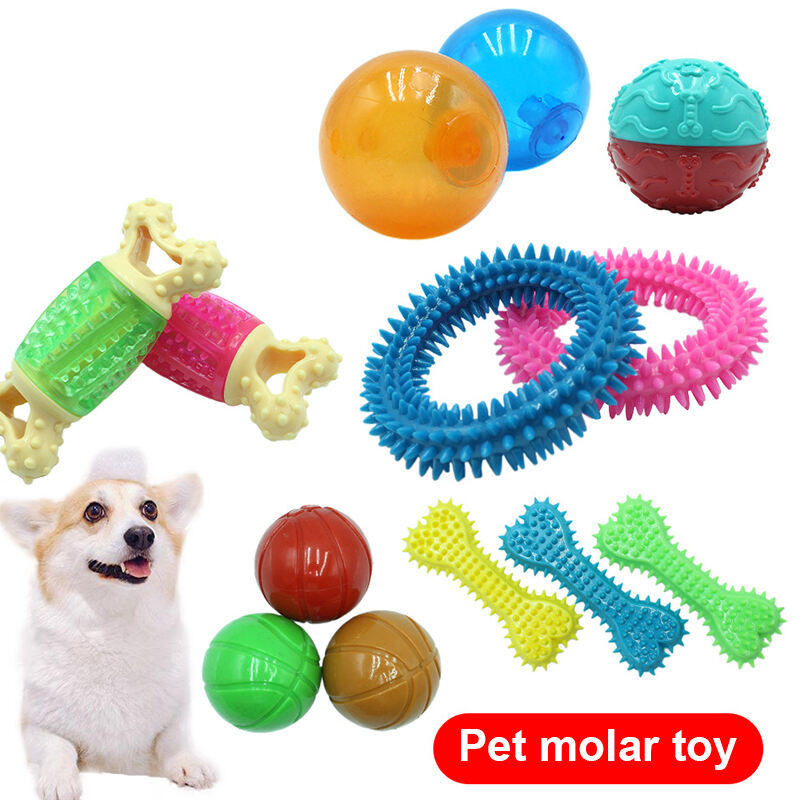
Silicone stands out for its toughness in kitchens, but pet owners are discovering its benefits too, especially with dog food mats. The material just doesn't break down like regular plastic or rubber does when pets get into their bowls. Take those silicone mats for example they stay clean looking even after kibble spills and wet nose smudges, which means less scrubbing later on. Over time, these mats handle all the paw prints and food droppings without cracking or warping. When we look at what happens to cheaper alternatives, the difference becomes obvious. Plastic mats warp in heat, rubber ones leave behind stubborn residue, while silicone keeps doing its job day after day without compromising safety standards or functionality.

 EN
EN