
 EN
EN
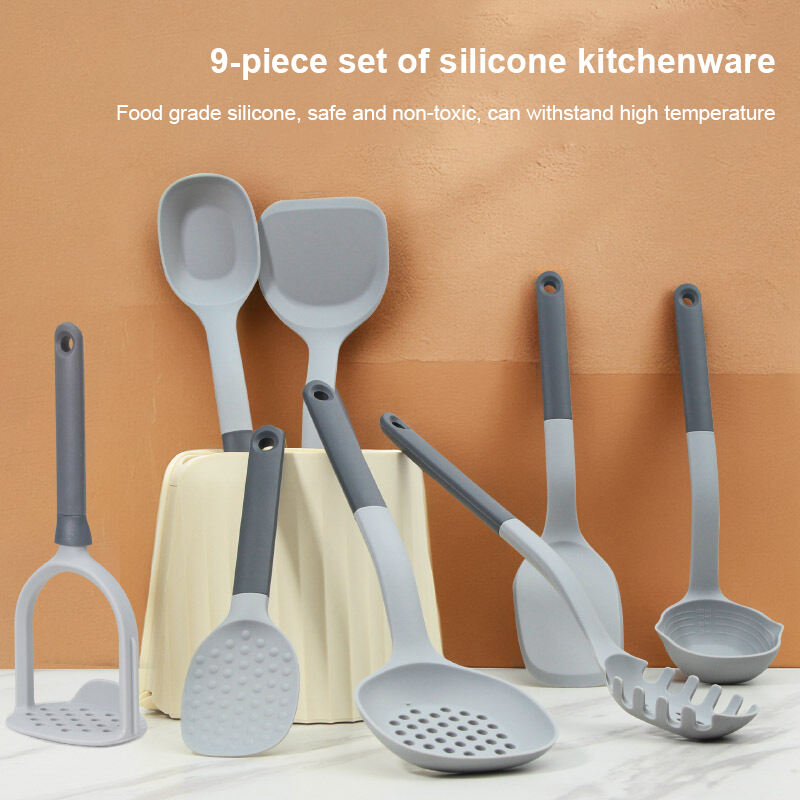
Why Silicone Tools Excel in Kitchen Versatility
Heat Resistance for Multi-Purpose Cooking
Silicone kitchen tools stand out because they handle extreme temperatures really well, surviving everything from -40 degrees Fahrenheit all the way up to around 450 degrees. That makes these items great for pretty much every cooking situation imaginable. From regular oven baking to reheating food in the microwave or even searing on the stove top, silicone maintains its shape without breaking down when exposed to heat. Plastic tools tend to soften or deform over time, especially near hot surfaces, while silicone remains stable throughout various cooking processes. Switching to silicone means getting better protection against accidents plus longer lasting equipment that works across multiple functions in the kitchen environment.
Non-Toxic Properties vs. Plastic Alternatives
For folks looking at non toxic kitchen gear, silicone really shines next to regular plastic stuff. The good news? Silicone doesn't contain BPA or those nasty chemicals we sometimes find lurking in plastic utensils, so it's actually safer when we're preparing meals. Research has shown time and again that silicone holds up better chemically than most plastics do, which means fewer worries about dangerous substances getting into what we eat. Switching over to silicone not only makes sense for health reasons but also helps cut down on all that plastic garbage piling up in landfills and oceans around the world. Plus, many people report their silicone cookware lasts much longer than cheap plastic alternatives anyway.
Flexibility Across Cookware Types
Silicone utensils are really flexible stuff, so they work great on all kinds of cookware from non-stick pans to glass dishes and stainless steel pots. Because they're soft and bendy, these tools won't scratch those fancy non-stick coatings or ruin expensive ceramic surfaces. Most people worry about damaging their cookware over time, especially when using metal spatulas or wooden ones that can chip things. When making scrambled eggs or stirring a sauce, silicone spoons and spatulas just glide right along without leaving marks. That's why many home cooks keep several silicone items handy in their kitchen drawers. They just make sense for everyday cooking without worrying about ruining good cookware.
Top Uses for Silicone Kitchen Utensils
Baking Essentials: Spatulas and Scrapers
For anyone who loves baking, silicone spatulas and scrapers have become must-have kitchen staples. These handy tools do wonders at mixing batters, spreading doughs, and scraping every last bit clean from containers without leaving sticky messes behind. What makes them so great is how pliable they are, letting cooks reach into corners of mixing bowls and cake pans where stiff plastic tools just can't go. Most quality silicone utensils handle heat pretty well too, which means no need to wait for things to cool down before transferring those piping hot casseroles or gooey brownie mixes straight from oven to serving dish.
High-Heat Cooking: Stirring and Flipping
Silicone kitchen tools really shine when things get hot in the pan, making them great for all sorts of cooking tasks like sautéing veggies, stirring soups, or flipping pancakes without sticking around too long. What makes these utensils so handy is that they won't melt or warp even on the hottest stove tops, which means cooks don't have to worry about getting burned or losing their grip mid-task. Unlike those old plastic spatulas that turn into goo if left near a burner for too long, silicone stays put and lasts much longer through countless meals. Most home chefs find themselves reaching for silicone more often once they see how well it handles everything from searing steaks to scrambling eggs without breaking down.
Food Storage Solutions with Silicone Bags
Silicone bags make great substitutes for those single-use plastic storage bags we all know too well, especially when prepping meals or keeping leftovers fresh. What makes them stand out is how they form tight seals that actually keep food fresher for days longer than regular plastic would allow, which means less wasted food sitting around going bad. Another big plus? These little guys handle temperature changes really well. Stick them in the freezer without worrying about cracking, then later pop them right into the oven or microwave if needed. That kind of flexibility makes silicone bags pretty indispensable for anyone who wants one container solution for everything from breakfast prep to dinner storage.
These silicone kitchen tools not only improve efficiency in cooking but also represent a shift toward more sustainable, safe, and versatile kitchen solutions. Whether you're baking, cooking at high temperatures, or simply storing food, silicone products are an excellent choice for a better kitchen experience.
Silicone vs. Traditional Kitchen Materials
Durability Compared to Plastic Utensils
Silicone utensils stand out because they last so much longer than plastic ones. They just don't show the same kind of wear and tear over time. Some research actually shows that silicone kitchen tools tend to outlive plastic versions by quite a bit. People have reported using them for years without seeing any real damage, even after constant washing and daily use in busy kitchens. When someone goes for silicone instead of plastic, they end up throwing away fewer items since these tools don't need replacing as often. That saves money in the long run while helping cut down on all the plastic waste we see piling up everywhere these days. For anyone concerned about what happens to their trash after disposal, switching makes sense both financially and ecologically.
Gentler on Non-Stick Surfaces Than Metal Tools
For folks who cook with non stick pans all the time, silicone kitchen tools make sense. The material is soft enough so it doesn't scratch those precious coatings on pots and pans, which means the cookware stays good looking longer. Most professional cooks reach for silicone when working with delicate dishes where scratching could ruin everything. Think about flipping an omelet or stirring something that needs gentle treatment. These tools just work better in those situations. That's why many home cooks have started switching too. After all, nobody wants to replace their favorite pan every few months because of worn out coatings from metal spatulas.
Odor Resistance vs. Wooden Utensils
Silicone utensils beat out wooden ones in many ways, especially when it comes to resisting unwanted smells. Wood tends to absorb all sorts of food smells and even pick up colors from what we cook, but silicone just stays neutral. That means no lingering garlic scent after making pasta or mysterious stains from beets. The hygienic aspect is another plus point. Research shows these silicone tools don't get as many bacteria growing on them because they're basically smooth without those tiny pores wood has. Cleaning becomes much easier too, which explains why so many home cooks switch to silicone for everyday use. Kitchen cleanliness stays better over time with these tools around.
Maintaining Your Silicone Kitchen Tools
Cleaning Best Practices
Keeping silicone kitchen tools clean helps them last longer and stay hygienic. Most silicone utensils go right into the dishwasher without any problems, though hand washing with warm soapy water works just fine too if we want to get really clean. Don't grab those scrubby pads or harsh chemicals though they'll scratch up the silicone surface over time. Even though these tools are pretty tough, treating them gently makes all the difference. After washing, always make sure to dry them completely before putting away. Leftover water sitting on silicone creates a breeding ground for bacteria, which nobody wants in their kitchen.
Long-Term Care for Color Retention
With proper maintenance, silicone kitchen tools stay colorful and work well for many years. If we want to keep those bright colors intact, storing them somewhere without direct sun makes sense since too much light will eventually fade them out. How we store these items matters quite a bit actually. Putting them in a drawer instead of leaving them on countertops protects both looks and longevity. For cleaning purposes, mild soap and water do wonders compared to harsh scrubbing agents that might scratch surfaces over time. Taking care of silicone cookware regularly means less chance of ugly stains developing while making sure our spatulas and ladles keep performing as intended during meal prep sessions.
When to Replace Worn Silicone
Checking silicone kitchen tools regularly makes all the difference when it comes to staying safe while preparing meals. Watch out for things like cracks running through the surface, little tears along edges, or spots where the color has faded significantly. These are pretty clear signals that something needs replacing soon. Most people find themselves needing new silicone stuff after seeing these kinds of issues because old damaged tools can actually trap germs between those tiny crevices or worse still might leach weird stuff into what we eat. Getting rid of beat up silicone gear before it becomes a problem keeps our kitchens cleaner overall and means our pots and pans won't stick quite so badly either.