
 EN
EN
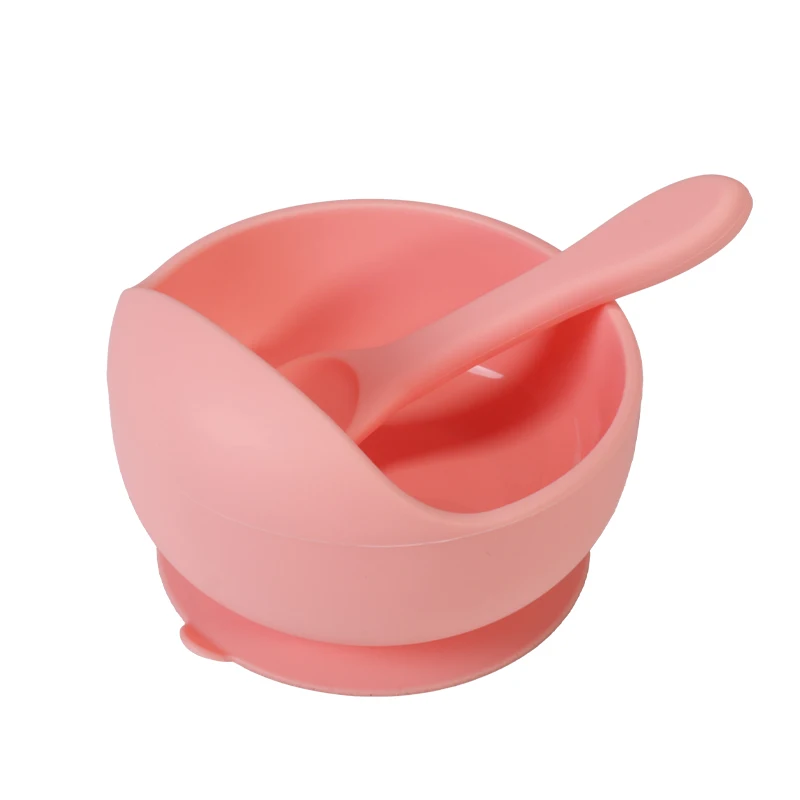
Essential Cleaning Steps Before Storing Silicone Baby Products
Disassembling Feeding Sets for Thorough Cleaning
To clean properly, take apart any removable pieces from silicone baby feeding kits first. When everything comes loose, those hard to reach spots become accessible, which stops mold and bacteria from growing where leftover food gets stuck. Most silicone feeding sets come in these complicated multi-piece designs now, so folks need to handle them carefully when breaking them down, otherwise some delicate parts might get broken. Maybe create a simple list showing what needs washing and drying completely before putting things away again. Doing this helps keep track of all the parts, plus makes sure nothing gets left dirty. Clean feeding sets stay safer for next time they're used, obviously.
Using Food-Grade Detergents for Safety
When it comes to cleaning silicone baby gear, going for food grade detergents makes all the difference. The main reason? They help keep those pesky chemicals from sticking around on surfaces where babies put things in their mouths. Parents need to know what they're looking at because not all cleaners are created equal. Some brands throw in stuff that might irritate sensitive skin or get into food accidentally. Stick with trusted names that have actual baby certifications and you'll find them doing the job right without compromising safety. Most of these specialized formulas work wonders on stuck-on messes but won't leave behind weird smells or traces that could bother little ones during playtime or meal times.
Air-Drying Techniques to Prevent Moisture Traps
Letting silicone baby products air dry completely matters a lot if we want to stop moisture from getting trapped where mold or bacteria could grow. Once washed, put these items on a clean dish rack or somewhere with good airflow so they can dry properly. Don't reach for those drying cloths though since they tend to leave behind tiny fibers that make cleaning harder later on. Keep an eye on how long things take to dry too because any remaining damp spots become perfect places for germs to multiply fast. Taking the time for proper drying isn't just about keeping things looking nice it's actually pretty important for maintaining hygiene standards over time.
Optimal Environmental Conditions for Storage
Avoiding Heat Sources and Temperature Fluctuations
Silicone products need proper storage to stay in good shape, especially things like baby bottles and feeding sets. Putting these items near heat sources is a bad idea because they can get warped when exposed to high temperatures, which changes how they feel and works against what they're supposed to do. The best bet is to keep silicone stuff somewhere where the temperature doesn't fluctuate much since going through hot and cold cycles tends to create cracks over time. Most folks who know about this stuff suggest storing silicone between around 50 degrees Fahrenheit and 80 degrees Fahrenheit, roughly equivalent to 10 Celsius to 27 Celsius. Keeping products within this range helps them last longer while maintaining their function properly, something parents definitely appreciate when dealing with daily feedings.
Maintaining Low Humidity to Prevent Mold
Keeping humidity under control matters just as much as temperature when it comes to stopping mold from growing on silicone stuff. When the air gets too damp, moisture builds up and creates perfect conditions for mold to take hold, which isn't good for either cleanliness or the actual structure of those items. Parents especially need to watch out for this with silicone baby gear since babies put everything in their mouths. The general rule of thumb? Try to keep the surrounding air at less than 50% humidity if possible. Dehumidifiers work wonders in this regard, or alternatively, tossing some silica gel packets into storage containers does the trick too. A consistently dry environment means silicone products stay safe and functional for much longer without deteriorating prematurely.
Storing Away from Direct Sunlight Discoloration
Too much sun can really mess with silicone stuff because it causes fading colors and makes the material break down over time when exposed to those UV rays. People might notice this happening with things like baby bottle nipples or spatulas they keep near windows. When silicone gets too much sun, it loses its strength and becomes less flexible, which is why proper storage matters so much these days. Putting silicone items inside cardboard boxes or dark plastic containers works well to protect them from damaging sunlight. This simple step helps keep silicone looking good longer and means they last through many uses instead of getting tossed out after just a few months.
Safe Storage Solutions to Preserve Shape and Quality
Using Breathable Containers vs. Airtight Seals
Getting the storage right for silicone stuff matters a lot if we want them to last long term. The big difference lies in picking between containers that let air through versus ones that seal everything tight. Mesh bags work great because they let fresh air circulate around the items, stopping damp spots from forming and keeping mold at bay. Airtight options do keep out dust and grime though, which is good news for some situations. But watch out! These sealed containers sometimes trap moisture inside instead, creating exactly what we're trying to avoid. Where things get tricky is finding that sweet spot between enough ventilation and proper protection depending on where they'll sit. Some trial and error goes a long way here. Try putting different types of containers together with actual silicone products over time and see what works best for maintaining their shape and function without causing any damage.
Padding Strategies to Prevent Deformation
When storing silicone baby gear, good padding makes all the difference in keeping those squishy products looking new instead of getting bent out of shape. Bubble wrap works great, but even old towels or fabric scraps will do the trick if wrapped properly around delicate items. We've seen too many parents store silicone molds flat on shelves only to find them warped after weeks in the cupboard. The problem really shows up with detailed items like teether molds or bottle nipples where even slight pressure can mess up the fine grooves. For stuff with complicated shapes, wrap each piece individually rather than stacking them together. This simple step keeps those expensive silicone toys functional for longer and saves money down the road when replacements aren't needed so soon.
Separating Items to Avoid Chemical Interactions
Keeping silicone stuff separated when stored helps avoid those pesky chemical reactions that can mess up their quality over time. The thing is, different silicone products actually have their own special formulas, so putting incompatible ones together might cause some pretty bad reactions that break down the materials. Take food grade silicone for example it really shouldn't hang out with craft silicones in storage because mixing them could lead to cross contamination problems and basically ruin both sets. A good approach is to organize these items into separate compartments or at least check on them regularly. This way we keep everything looking good while minimizing any risk of those unwanted chemical mishaps happening.
Long-Term Maintenance of Stored Silicone Items
Monthly Inspections for Wear or Staining
Monthly checks really matter when it comes to keeping silicone stuff in good shape over time. When doing these regular looks, folks should watch out for things like fading colors, small cracks forming, or areas where the material starts feeling sticky instead of smooth. Most people find that checking their silicone goods every four weeks works pretty well for catching problems early on before they get worse. Taking this kind of hands-on approach helps things last longer without breaking down unexpectedly. Plus, items stay trustworthy and functional much longer than if nobody ever bothered to check them properly.
Refreshing with Silicone-Safe Powders
Silicone safe powders work wonders for keeping stored silicone stuff looking good and functioning properly over time. Most of these special powders help cut down on that annoying stickiness while maintaining the original texture of silicone items, which means they last longer without getting damaged. Apply the powder carefully so it spreads out evenly across the surface area instead of forming little clumps that might actually interfere with how well the item works later on. There are quite a few reliable options currently sold online and in stores, though people often recommend checking reviews first before buying anything expensive. With proper maintenance using such powders, most silicone kitchenware, medical devices, and other household goods stay in excellent condition even after months sitting unused in cabinets or drawers.
Re-Sanitizing Before Reuse After Extended Storage
It's really important to clean silicone items properly before using them again after being stored for a while, particularly when these items will come into contact with babies. A good approach involves washing everything well with warm soapy water first, then giving it another rinse either with some diluted vinegar or running it through a steam sterilizer. Both methods work pretty well and won't harm the material. Pediatricians often mention how crucial this cleaning process is because leftover bacteria can stick around on surfaces even if they look clean. Following these steps makes sure those baby bottles or teething rings stay free from germs and ready for use without any worries about contamination risks down the line.