
 EN
EN
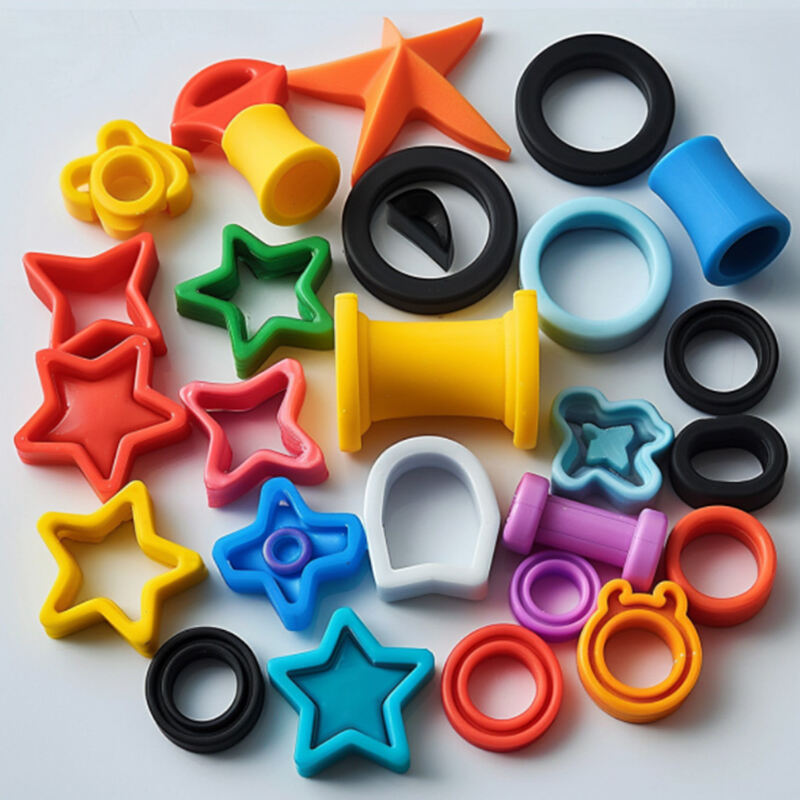
Why USB Interface Protective Covers Are Essential
Protective covers for USB ports really matter when it comes to keeping gadgets working properly and lasting longer. The big problem with these ports is that they just love collecting dust and grime over time. When this happens, connections get messed up and performance drops off. Most manufacturers focus on making sure their products last through normal wear and tear, but rarely think about what happens in tough conditions. That's why so many people run into random connection problems, particularly with things like USB audio equipment that gets moved around between different locations all the time. A good cover makes all the difference in preventing these headaches.
Liquids are real troublemakers for electronics, often causing everything from minor glitches to complete short circuits when they get inside. A good way to stop this is by putting on those little USB protective covers. They create a shield between the port and whatever might spill over, so water or coffee doesn't just wick right in. These covers aren't fancy but work surprisingly well at keeping expensive gadgets safe from accidental spills during daily use. Both companies looking after fleets of devices and regular folks who want to keep their phones working properly find these small investments pay off big time in avoiding repair bills and lost productivity when something gets damaged.
Key Features to Look for in USB Protective Covers
Material Quality: Silicone vs. Plastic
Material quality matters a lot when picking out USB protective covers if we want real protection for our gadgets. Silicone options tend to be much better than regular plastic ones because they're both flexible and tough. The way silicone bends lets it form a snug fit around ports which keeps dust and water out pretty well. Going the extra mile for food grade silicone makes sense too, particularly households where there are kids running around or furry friends who might get curious about tech stuff. These higher quality materials just give an extra layer of defense against all sorts of messes that find their way into homes over time.
Universal Fit for Different USB Types
Good quality USB covers need to work across different ports these days. Most people have all sorts of gadgets lying around from old phones with micro USB to newer laptops with USB-C ports. When a cover fits multiple types, it means one less thing to buy and organize on the desk. Families especially appreciate this since they often end up with a mix of devices from different generations. No more hunting through drawers for the right cover when everyone just needs something that works for whatever device they happen to grab first.
Ease of Installation and Removal
How easy they are to use matters a lot when it comes to USB protective covers. When installation happens quickly and without hassle, people actually remember to put them on regularly, which means better protection over time. But we've all seen what happens with those tricky covers that just won't come off right. They either scratch up the port or drive users crazy trying to get them off after months of sitting there. That's why smart shoppers look for covers that make sense to install and remove without fighting against them. Good design here isn't just about convenience it directly affects how long those expensive gadgets will last before needing repairs or replacement.
How USB Protective Covers Extend Device Lifespan
Protective covers for USB ports help extend device longevity by minimizing port wear over time. They serve as barriers against dust buildup, accidental spills, and general mishandling that often leads to connector issues. Devices that get connected and disconnected multiple times daily benefit most from this protection. Regular use of these simple covers makes sense for anyone who wants their laptop, phone, or tablet to last longer without dealing with frustrating connection problems down the road.
Keeping USB ports in good working condition matters a lot for their long term performance. Clean ports without damage create better connections when transferring files or charging devices, which stops those annoying problems that happen when people don't take care of them. Cleaner ports work better overall and save money in the long run since broken ones often need expensive fixes or complete replacement. Adding some sort of cover protection to USB ports makes sense as part of regular device maintenance. Most folks probably didn't think about this until their phone started acting up because dust got inside the port after months of being left exposed.
Comparing USB Protective Covers to Other Solutions
Looking at ways to protect those USB ports, covers actually beat dust plugs pretty handily. Both try to keep stuff out of the port, but covers just offer better protection overall. Dust plugs will stop dust, sure, but they don't do much else. Covers on the other hand block moisture too, which matters a lot if someone works somewhere damp or humid like near a kitchen sink or bathroom vanity. Another thing worth mentioning is how long these things last. Most USB covers hold up much better with regular plugging and unplugging than dust plugs tend to. We've all seen those little rubber plugs fall apart after just a few weeks of daily use because they simply weren't built for constant handling.
USB Covers vs. Dust Plugs
- Protection Comparison: Whereas dust plugs offer basic security against particles, USB covers add a layer of moisture protection. This comprehensive shielding is vital for maintaining connectivity and preventing damage from environmental factors.
- Durability: USB covers are crafted for repeated use and provide durability. Dust plugs, contrarily, may degrade faster when subjected to repeated plugging and unplugging. Hence, for those needing long-term solutions, USB covers are the more resilient choice.
Why Silicone Covers Are Superior
Silicone covers really shine because of how they're made, which makes them great at protecting things for ages. Plastic ones just don't hold up as well against oil and water, so they tend to break down after a while. That's why silicone stays strong even when used all the time. What makes these covers special is how flexible they are. They mold around the edges so dust and grime can't get into those tiny USB slots. The bendy nature means better protection overall, and honestly, devices last much longer with this kind of cover on them. For anyone looking to keep their gadgets safe without constantly replacing covers, silicone is definitely worth considering.
Incorporating these insights into your choice of USB protection can lead to better long-term results, ensuring your devices remain functional and reliable.
Top Picks for USB Interface Protective Covers
Best Overall: PortPlugs USB-A Anti-Dust Port Plugs
The PortPlugs USB-A Anti-Dust Port Plugs have earned themselves a solid reputation among tech enthusiasts looking to protect those precious USB interfaces. Made from decent quality silicone material, these little guys fit pretty snugly into most standard ports, offering real protection from dust buildup and even some resistance to moisture exposure. Many folks who've used them report that they last quite a while without breaking down, which is always a plus when dealing with small plastic parts. People tend to mention how easy it is to push them in and pull them out without damaging anything, something that matters a lot when working with delicate electronics. After months of regular use, most owners find their USB ports stay much cleaner compared to leaving them exposed, which definitely extends device lifespan. All this makes sense why so many people end up buying multiple packs for different gadgets around the house or office.
Best Budget Option: USB-C Dust Plug Set
Looking for cheap USB protection? The USB-C Dust Plug Set is probably the most wallet-friendly choice out there. Priced reasonably but still built to last, these little guys hold up pretty well against everyday damage. Even though they're inexpensive, people find them easy to use and surprisingly good at keeping dust and dirt out of ports. Makes sense really why so many folks grab these when trying to keep gadgets safe without breaking the bank.
Best for Durability: PortPlugs USB C Dust Plug Set
Durability-wise, the PortPlugs USB C Dust Plug Set stands out among similar products. These little guys are constructed pretty solidly, able to take quite a beating while still protecting those precious USB ports from dust and debris. Many folks report using them day after day without any issues, some even say they've survived accidental drops into water or dirt during outdoor adventures. For anyone looking for something that won't fall apart after a few weeks of regular use, this set seems worth the money. The manufacturer clearly put thought into making sure these plugs actually work as advertised, so most people find themselves reaching for them again and again whenever they need to safeguard their gadgets.
How to Properly Use and Maintain USB Protective Covers
Cleaning and Storage Tips
Keeping USB protective covers in good shape requires regular maintenance for them to work properly. Dust buildup becomes a real problem over time, especially if they're used in workshops or around machinery where lint and particles accumulate quickly. When it comes to cleaning, grab a microfiber cloth and some gentle dish soap works best. Stay away from strong cleaners as they tend to break down the materials faster than needed. What many people forget though is how storage matters just as much as cleaning does. A simple plastic container stored somewhere dry keeps covers from getting warped or crushed between other items. This basic approach stops unnecessary damage and makes sure covers last longer without losing their protective qualities. Most folks find that following this routine keeps their USB ports safe while avoiding costly replacements down the road.
When to Replace Your USB Covers
Replacing USB covers on time helps keep them doing their job properly. Looking at them regularly lets people spot problems before they get bad, so devices stay protected from damage. Time to replace comes when covers start getting loose after stretching, turn colors, or begin showing cracks and splits in the material. These signs matter because once they appear, dust and moisture can start getting into the ports where they shouldn't be. Setting up some kind of check routine makes sense for most folks who want to keep their gadgets safe and working right without surprises down the road.
Table of Contents
- Why USB Interface Protective Covers Are Essential
- Key Features to Look for in USB Protective Covers
- How USB Protective Covers Extend Device Lifespan
- Comparing USB Protective Covers to Other Solutions
- Top Picks for USB Interface Protective Covers
- How to Properly Use and Maintain USB Protective Covers