
 EN
EN
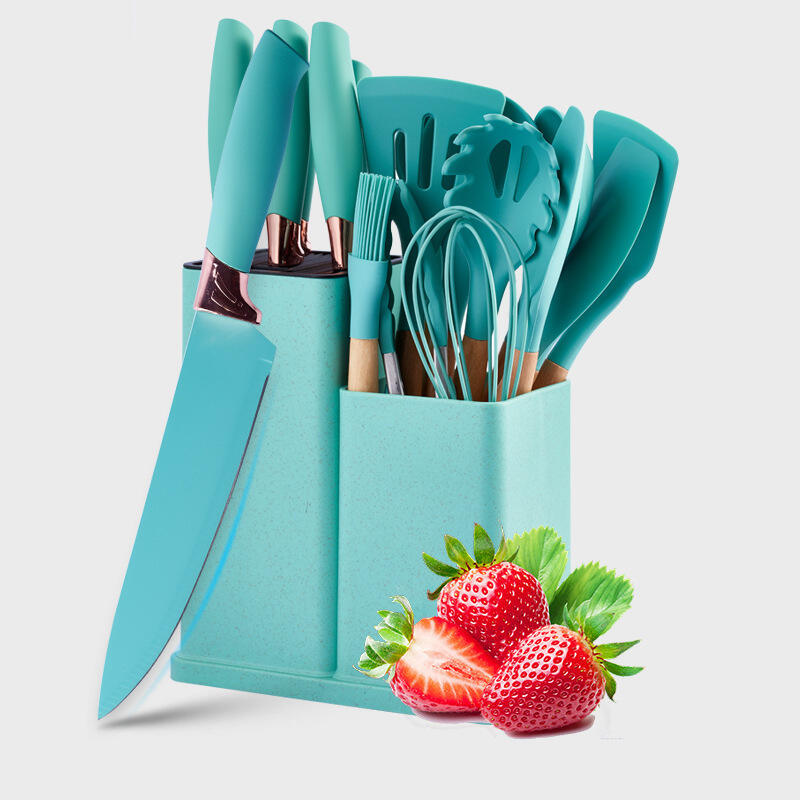
How Silicone Kitchen Utensils Can Simplify Meal Prep
Convenience and safety matter a lot when it comes to cooking nowadays. That's why so many people, from weekend warriors to restaurant pros, are turning to silicone kitchen tools. These gadgets bring something special to the table beyond regular plastic or metal options. They don't scratch pans, withstand high heat without melting, and often come with ergonomic designs that make them comfortable to hold. Let's take a closer look at what makes silicone utensils stand out among other kitchenware, discuss some real world advantages they offer, and see why they might just revolutionize the way food gets prepared on countertops across America.
Understanding Silicone Kitchen Utensils: An Overview
What Are Silicone Kitchen Utensils?
Silicone kitchen utensils encompass a wide array of cooking tools, including spatulas, whiskers, tongs, and baking mats, made from food-grade silicone. This versatile material has gained popularity due to its non-stick properties, durability, and heat resistance, setting it apart from traditional wood, plastic, or metal utensils.
Key Properties of Silicone
Silicone is a synthetic polymer that exhibits several key properties:
- Heat Resistance: Silicones can withstand high temperatures, typically up to 500°F (260°C), making them ideal for various cooking applications.
- Non-Toxic: Food-grade silicone is BPA-free and doesnât leach harmful chemicals into food.
- Flexibility: Silicone is flexible and can be molded into various shapes, making it an excellent choice for kitchen utensils that need to glide easily across surfaces.
Common Uses of Silicone Kitchen Utensils
These utensils can be used in various cooking techniques, from baking to sautéing. They are perfect for both seasoned chefs and novice cooks, facilitating everything from flipping pancakes to scraping bowls clean.
The Advantages of Using Silicone Kitchen Utensils
Heat Resistance and Safety
One of the standout features of silicone kitchen utensils is their ability to withstand extreme temperatures. Unlike metal utensils, which can heat up and become dangerously hot, silicone remains cool to the touch, offering a safer cooking experience.
Non-Toxic and Food-Grade Quality
Silicone is a non-toxic material that does not release harmful chemicals into your food, unlike some plastics. This makes it a safe choice for your family, ensuring that your culinary creations remain free from contaminants.
Durability and Longevity
Silicone kitchen utensils are designed to last. They resist cracking, fading, and deforming even with regular use. Compared to wooden or plastic utensils, which may wear out quickly, silicone provides long-term value, saving you money on replacements.
How Silicone Utensils Simplify Meal Preparation
Ease of Cleaning and Maintenance
Silicone utensils generally clean up quite easily. Most models work fine in dishwashers, making them convenient to include in regular cycles. For those who prefer washing by hand, the non-porous surface makes it simple to wipe away food particles using only warm water and some gentle soap. What's really nice about silicone is that it doesn't hold onto smells or discoloration, allowing cooks to prepare all sorts of dishes without concern over residual odors sticking around from previous meals.
Versatility in Cooking Techniques
Silicone utensils are remarkably versatile. Whether you're whisking eggs, sautéing vegetables, or mixing dough, silicone adapts easily to various cooking methods. Their non-reactive nature also makes them suitable for cooking acidic foods, ensuring your meal tastes as it should without alteration.
Space-Saving Benefits for Storage
Silicone utensils are typically lightweight and often collapsible, making them easy to store in compact spaces. If your kitchen is limited, this aspect alone can significantly expedite meal prep by keeping your tools within easy reach.
Comparative Analysis: Silicone vs. Traditional Utensils
Silicone vs. Metal: Heat Conductivity and Safety
While metal utensils are durable and excellent for certain tasks, they conduct heat, which poses a risk of burns. Silicone, on the other hand, excels in safety by remaining cool.
Silicone vs. Plastic: Non-Stick Properties
Silicone has superior non-stick properties compared to plastic utensils. Food easily glides off silicone, while plastic can warp and stick, making cleanup cumbersome.
Silicone vs. Wood: Durability and Maintenance
Wood can absorb moisture and crack over time. In contrast, silicone is impervious to moisture, offering resilience and ease of maintenance that wood simply can't match.
Selecting the Right Silicone Kitchen Utensils
What to Look for in Silicone Utensils?
When choosing silicone utensils, prioritize:
- Food-Grade Quality: Ensure they're BPA-free.
- Heat Resistance: Opt for utensils rated for high temperatures.
- Durability: Look for products that are thick and professionally constructed.
Top Brands for Quality Silicone Products
Brands such as OXO, Tovolo, and StarPack offer high-quality silicone utensils known for their resilience and functional designs. Investing in reputable brands ensures you receive reliable products that adhere to strict safety standards.
Buying Tips: Where to Purchase Silicone Utensils
Available at various retailers or online platforms like Amazon or Williams-Sonoma, be sure to check customer reviews and ratings to gauge product satisfaction. This process will aid in making informed choices for your silicone utensils.
Conclusion
Kitchen tools made from silicone offer real advantages when it comes to getting meals ready quickly and safely. These items bring something special to the table beyond just function they actually help create better conditions in kitchens across the board. With how fast food trends change these days, adding some quality silicone gadgets makes sense for people who want to spend less time fussing over dishes. The stuff lasts forever too, so even after years of daily use, those spatulas and ladles still work great without warping or breaking down. Many home cooks find themselves reaching for silicone more often once they see how much easier it makes everything from scrambling eggs to flipping pancakes.