
 EN
EN
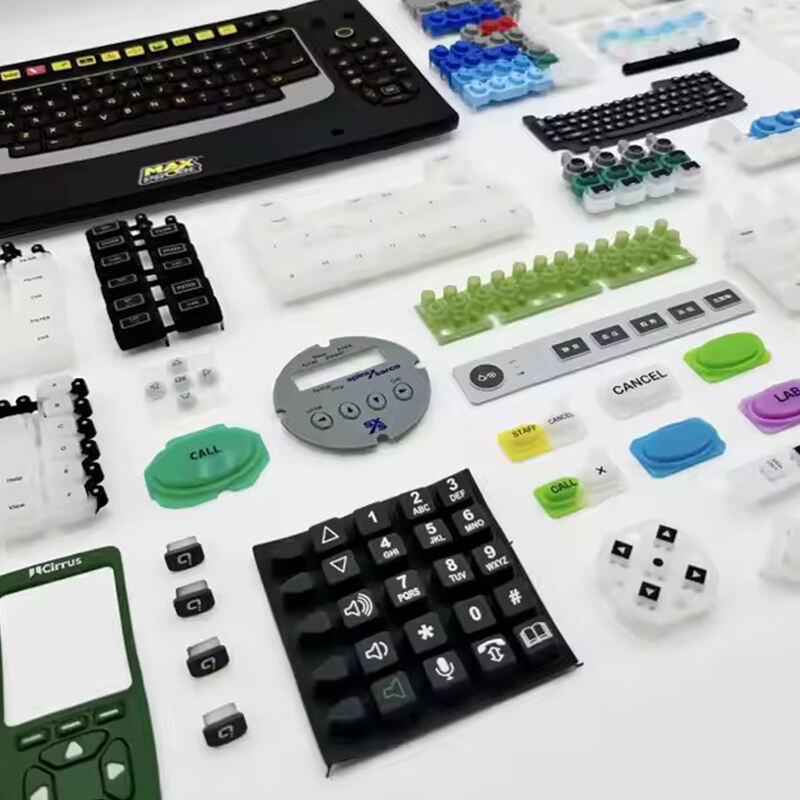
Advanced Silicone Formulations Revolutionizing Electronics
High-Temperature Resistant Compounds
Silicone compounds that can handle high temperatures are changing how we design electronic systems, mainly because they don't break down when things get really hot. Their durability is why engineers rely on them so much for tricky applications like printed circuit boards that run hot during operation. What sets these materials apart is their ability to keep their shape and properties intact even when temps climb past normal limits. That's why manufacturers in automotive and aerospace sectors turn to them regularly since car engines and jet turbines generate serious heat that would melt regular materials. The push toward smaller, faster devices that still need to function reliably in tough conditions means there will be increasing demand for these heat-resistant solutions going forward. Companies across multiple industries are already seeing this shift and adjusting their material choices accordingly.
Conductive Silicones for Wearables
Conductive silicones play a key role in today's wearable tech landscape, giving those little sensors inside our gadgets the ability to conduct electricity properly. We see them working behind the scenes in all sorts of devices from fitness trackers to medical wearables. Recent advances mean we can now create tracking systems that work better for both everyday health monitoring and serious fitness applications. As more people start wearing these smart devices on a daily basis, companies are naturally gravitating towards using conductive silicones in their products. What does this mean? Better performing wearables overall, yes, but there's something else happening too - manufacturers are finding entirely new ways to incorporate these materials into personal electronics that nobody really thought possible just a few years ago.
Bio-Based Materials for Reduced Environmental Impact
Moving toward bio based silicones represents real progress for companies trying to hit their green targets while still making good quality products. When manufacturers cut down on petrochemicals, they end up with parts that are better for the planet overall. We see this happening all over the market place now too. People want stuff that comes from nature rather than oil wells, and they know it helps protect our environment. Brands that switch to these plant derived materials tend to look better in customers eyes as well. Plus, using them actually supports wider sustainability initiatives across industries where eco friendly practices matter more than ever before.
Smart Manufacturing Techniques in Silicone Electronics
3D Printing Custom Components
The world of manufacturing has changed quite a bit since 3D printing came along, especially when it comes to making those tricky silicone parts for electronics. What really stands out is how fast companies can now test out their design ideas before going full scale production. This cuts down months off development timelines that used to be standard practice. When clients need something customized right away, manufacturers just tweak the digital model and hit print instead of waiting weeks for traditional methods. Take medical device makers as one case study they frequently request these specialized silicone pieces for implants or wearable tech where exact specifications matter a lot. According to recent market reports, the 3D printing space is growing at an impressive rate year after year. Silicone materials are becoming increasingly popular because they bend without breaking and work well in tight spaces inside gadgets we use daily.
Hybrid Molding for Complex Designs
Hybrid molding brings together old school injection techniques with newer tech to produce silicone designs that just cant be made any other way. The automotive and consumer electronics industries really need this stuff because they deal with complicated shapes all day long. Companies switching to hybrid molding often see their production run smoother while creating less waste on the factory floor something that fits right into green manufacturing initiatives. With more products needing better quality silicone parts these days, this hybrid approach makes sense for manufacturers wanting to push design boundaries without slowing down their output.
AI-Optimized Production Lines
Artificial intelligence is rapidly becoming essential for optimizing production lines in the silicone electronics sector. When manufacturers bring AI into their operations, they see better quality control, fewer mistakes during assembly, and generally smoother manufacturing processes for silicone components. These smart systems actually learn from past data to forecast when equipment might need maintenance, which cuts down on unexpected shutdowns and keeps production moving forward without interruption. According to recent industry reports, companies that integrate AI typically save around 15-20% on maintenance costs within the first year alone. For businesses making silicone electronics, adopting AI isn't just about saving money though it definitely does that too. It puts them ahead of competitors who haven't made the switch yet, helping establish leadership in what's quickly becoming standard practice across modern manufacturing facilities.
Next-Gen Applications in Electronics
Thermal Management Solutions for 5G Devices
Good thermal management matters a lot for how well high speed 5G devices perform and last over time, especially since silicone materials are so important in this area. Testing under stress conditions reveals that newer thermal interface materials made from silicone really help get rid of heat better, which makes the devices more reliable and lasts longer overall. The 5G market around the world looks set to grow quite a bit in coming years, meaning companies will need more creative ways to manage heat using silicone based solutions. We should see more progress happening in this space as manufacturers try to keep up with what the growing 5G network needs across different applications.
Flexible Circuitry in Foldable Screens
The rise of foldable screens in phones and tablets is being made possible by silicone materials that offer just what flexible circuitry needs. These silicones bend without breaking, which means manufacturers can integrate all those tiny parts smoothly into devices. People want their gadgets to work reliably even when folded multiple times during the day. The market for foldables has grown rapidly over recent years, pushing companies to develop better silicone solutions. Consumers expect screens that stay strong through daily wear and tear while still feeling good to touch. Designers are finding new ways to incorporate these materials into everything from smartphones to wearable tech. Looking ahead, we're seeing more investment going into research labs focused specifically on improving how silicones perform in these cutting edge applications.
EMI Shielding Components
EMI has become a real headache for engineers working on today's gadgets, which explains why silicone based shielding parts are getting so much attention lately. What makes silicone stand out? Well, manufacturers can tweak these materials to block electromagnetic interference pretty well without sacrificing their bendy nature, something plastic alternatives just cant match when it comes to guarding against those pesky radio waves messing with device functions. We're seeing this issue grow as our world gets more connected by the day. Take a look at what's happening in the communications field first. Then there's automotive tech too where cars now have dozens of sensors talking to each other all the time. In both cases, good old silicone helps keep everything running smoothly despite all the electromagnetic noise floating around.
Sustainability-Driven Innovations
Recyclable Silicone Compounds
Silicone compounds that can be recycled are changing how sustainability works in the manufacturing sector. These materials cut down on waste and help companies stick to their green goals. Studies show that when silicone gets recycled, it keeps most of its original qualities intact, so these compounds work well across different industries including cars, electronics, and building materials. Manufacturers are under growing pressure from customers who want greener alternatives. People today care more about what happens after they buy something. So this move toward recyclable silicones tackles environmental issues while at the same time responding to market demands for products that don't harm the planet as much as traditional ones do.
Closed-Loop Manufacturing Systems
Silicone manufacturers are increasingly adopting closed-loop systems that cut down on waste and make better use of resources. These setups let companies recycle old silicone materials back into the production line for creating new products of good quality. Companies that switch to this circular model see real money savings and environmental gains, something many green reports have confirmed. For manufacturers looking to save on material costs, these systems offer a way forward without sacrificing output speed. As industries worldwide push for greener practices, the shift toward closed-loop manufacturing helps shrink the environmental impact while still keeping operations profitable in the long run.
Energy-Efficient Curing Processes
Silicone producers are increasingly turning to energy saving curing methods as a way to cut down on both power usage and running expenses. The newer curing approaches actually make silicone products last longer while cutting back on the environmental impact of production. Industry reports indicate that switching to these efficient methods can slash greenhouse gas emissions by substantial amounts during manufacturing, helping companies hit their green targets faster. When manufacturers adopt these practices, they find it easier to comply with tough environmental rules without compromising product quality or dependability. What we see here is a win-win situation where factories run more efficiently while still taking care of our planet's health.
Customization Trends Shaping the Industry
Silicone Molds for Craft Electronics
The crafting world has seen a big shift thanks to silicone molds, especially when it comes to making custom parts for electronics that fit into those specialized market niches nobody else covers. We're seeing this happen alongside the growing DIY movement too. Hobbyists and smaller makers are grabbing up these molds because they make innovation so much easier than traditional methods ever did. Look around and you'll find plenty of proof that crafters are turning to silicone solutions all over the place. These materials let them play with designs that would have been impossible just a few years ago. For anyone working on complex electronic projects at home, silicone molds really do connect creative ideas with what's actually possible technically. Artists and weekend tinkerers now get to try out their wildest concepts without worrying about whether something can be manufactured or not.
On-Demand Prototyping Services
Silicone-based prototyping services are changing how products get developed, thanks to faster iterations and more realistic testing options. Companies can now get prototypes made much quicker than before, which really helps manufacturers in different fields from medical devices to consumer electronics. When designers work with silicone materials, they can actually see and test how the final product will perform without waiting months for traditional methods. Many people in the field talk about how this shift has completely transformed development timelines. Manufacturers no longer need to guess at what might work best because they can test multiple versions quickly. This kind of flexibility matters a lot in today's market where trends change so fast that waiting even weeks can mean missing out on opportunities.
Personalized Wearable Tech Components
Wearable tech getting increasingly personalized has really shaken things up for the silicone industry, which now needs to produce all sorts of custom parts that match what people want. Silicone works so well because it can be molded into pretty much any shape or texture needed for today's smartwatches, fitness trackers, and other gadgets stuck to our bodies all day long. With more folks wanting their tech to look good while doing its job, manufacturers keep pushing boundaries in how they design these components. They're not just making things work better anymore but also ensuring they fit personal style preferences too. Looking ahead, this move toward customization shows why silicone remains such a key material as we continue developing new ways to integrate technology seamlessly into everyday life.
Future Outlook and Market Projections
Silicone in Quantum Computing Components
Quantum computing is changing the game across many industries, and silicone is starting to make waves in protecting and insulating components in this field. For quantum computers to work properly, they need materials that can handle intense conditions while keeping performance levels high. Silicone checks these boxes thanks to its amazing ability to stay stable under heat and resist chemicals. What makes it really stand out is how well it adapts when parts inside quantum devices encounter situations where regular materials would fail completely. Industry insiders are talking about big things coming for silicone in quantum tech applications. As companies push boundaries with new technologies, we're likely to see silicone becoming even more important in the development of future innovations.
Self-Healing Materials Research
Scientists working with self healing silicones are making real progress toward creating electronic parts that last much longer than traditional ones. What makes these materials special is their ability to mend themselves when damaged, which cuts down on repair bills for companies that depend heavily on silicone based electronics. Labs around the world are testing different approaches right now, looking at ways to extend how long products stay functional before needing replacement. With consumers wanting things to last longer and manufacturers facing pressure to reduce waste, the silicone sector seems poised to develop better self repairing technologies. Some experts believe we may see these advancements become mainstream within the next few years as both cost effectiveness and environmental concerns push the market forward.
Asia-Pacific's Dominance in Production
Asia Pacific has become the top producer of silicone thanks to cheaper manufacturing costs and massive production capacity across the region. What really sets this area apart though is the money being poured into research labs, which speeds up new developments especially in electronic grade silicones. Take China for instance, where factories churn out enormous quantities while tech companies experiment with next generation materials. Market experts see no signs of slowing down anytime soon. These Asian manufacturers aren't just making products anymore they're actually changing how goods get made around the world through their growing influence on supply networks and pricing structures.