
 EN
EN
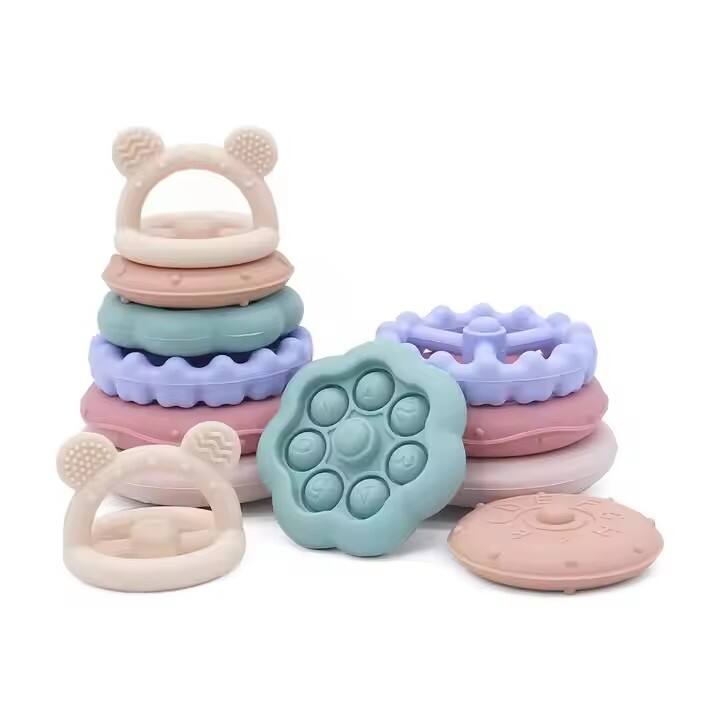
Why Choose Silicone for Baby Products?
Non-Toxic and Hypoallergenic Properties
More and more parents are turning to silicone for their baby products because it just feels safer all around. The good news is silicone doesn't let out those nasty chemicals we hear so much about these days like BPA, phthalates, or PVC into whatever little ones put in their mouths. That makes a huge difference when thinking about what goes into our babies' systems. Parents especially appreciate this since plastic items sometimes contain stuff that could potentially harm kids. Plus, silicone tends not to cause allergies which matters a lot for babies with sensitive skin issues. When looking at all the things babies grab onto throughout the day, having products made from something gentle yet durable gives caregivers real comfort knowing their child isn't exposed to anything harmful.
Durability for Long-Term Use
Silicone really stands out when it comes to how long it lasts compared to regular plastic stuff. Take those baby bottles made from silicone for instance they just don't break down like other materials do after months of use. The stuff is super tough against daily bumps and knocks, so even if dropped on the floor multiple times during mealtime, these feeding sets rarely crack or snap apart. What makes this durability so great? Well, parents end up spending less money overall because they don't have to keep buying new ones every few weeks. Plus, there's less trash going into landfills since people aren't tossing out broken plasticware all the time.
Easy Cleaning and Temperature Resistance
Parents love silicone because it works so well for them day after day. Cleaning these items isn't a hassle at all since they just wipe clean or go straight into the dishwasher. For anyone dealing with tiny humans, this matters a lot when trying to keep those little cups and teething rings spotless between feedings. What really stands out though is how silicone handles heat extremes. Pop something in the freezer overnight then toss it into the microwave or oven later? No problem whatsoever. That kind of flexibility lets families use the same containers throughout mealtime routines without worrying about melting or breaking things. From storing leftovers to heating baby food, silicone keeps up with whatever comes next while staying safe and reliable every single time.
Essential Silicone Baby Products for Daily Needs
Silicone Baby Feeding Sets: Bowls, Spoons, and Bottles
Parents love silicone baby feeding sets because they combine safety with practicality. Most sets come with soft bowls and spoons made from food grade silicone that won't scratch tiny mouths or cause discomfort while eating. A lot of these sets also feature clever designs that prevent spills, something that really helps cut down on the chaos when feeding babies. Think about it - who hasn't had that moment where milk or formula goes everywhere? For busy parents managing diaper changes, laundry, and maybe even work calls, keeping things contained makes all the difference. More families are switching to these silicone options as word spreads about how safe and functional they actually are. Mealtime just becomes less stressful overall when everything stays put where it should be.
Teethers and Soothers for Gum Relief
Parents often turn to silicone teethers when their little ones start teething because these gadgets really do offer some serious relief thanks to how comfortable and safe they feel. The material is super soft and bends easily, which works wonders on those tender gums compared to sturdier options that could actually hurt the baby's mouth if chewed too hard. Take the Comotomo Silicone Teether for instance – lots of folks rave about how well it helps soothe those achy gums, so it's no surprise this item shows up regularly in diaper bags across town. Beyond just easing discomfort, these teethers win points with harried moms and dads everywhere since they wipe down quickly after every use, saving precious time while still giving kids exactly what they need during this tricky developmental stage.
Silicone Bibs and Splat Mats
Silicone bibs make dealing with mealtime chaos much easier for busy parents. Most models are water resistant, wipe clean in seconds, and come with those handy catch pockets that stop food from falling all over the place. Especially important when babies first start learning to feed themselves, since mess happens no matter what. Parents also love putting silicone splat mats underneath high chairs too. These mats act as a washable shield against spilled baby food and juice accidents on hardwood or carpet floors. Take the Happy Healthy Parent brand for instance they designed their bibs specifically for toddlers who seem determined to throw everything possible. The material holds up well through countless meals and washes, keeping things relatively clean while still letting kids play around with their food without constant supervision. After all, exploration is part of learning to eat properly.
Silicone vs. Plastic: Safety and Sustainability Compared
Chemical Risks in Plastic Baby Utensils
Baby utensils made of plastic might actually be bad for little ones because they contain chemicals such as BPA that doctors have connected to all sorts of health problems over the years. Silicone alternatives don't have those same worries though. Research shows that even when manufacturers claim plastics are BPA free, they still manage to let out other nasty stuff sometimes. Parents often worry about this stuff getting into food, especially during meals. That's why many families switch to silicone options instead. These materials stay safe even when heated up, so there's no danger of toxic chemicals mixing with baby food. Most parents find comfort knowing their child isn't exposed to mystery chemicals while eating, which is probably why silicone has become so popular lately among cautious caregivers.
Environmental Impact of Silicone Products
Silicone products present a greener option compared to plastic since they come from silica, something found naturally in abundance, leading to a smaller impact on the environment. Silicone tends to last way longer than regular plastic items too. Unlike plastic, it won't break down into those tiny harmful particles we call microplastics. When properly maintained, these silicone goods stick around much longer than plastic alternatives do. This means fewer replacements needed and ultimately less trash ending up in landfills down the road. Going with silicone makes sense both for safety reasons when it comes to infants and toddlers, plus it helps reduce our overall ecological footprint.
Cost-Effectiveness Over Time
Silicone baby products tend to save money in the long run even though they cost more at first because they last much longer than plastic alternatives. Plastic stuff often breaks down after regular use and needs replacing again and again, but silicone stands up to all sorts of daily wear and tear. It handles hot and cold temperatures just fine without cracking or warping. Most parents discover that switching to silicone means fewer trips back to the store for replacement bottles or teething toys. The extra cash spent initially pays off over months and years as families don't have to keep buying new items every time something gets damaged. For households watching their budgets closely, this makes silicone an excellent value proposition despite what looks like a bigger price tag at checkout.
How to Ensure Safety in Silicone Baby Supplies
Certifications to Look For (BPA-Free, FDA-Approved)
Parents want to be sure when picking out silicone items for babies that they're getting something without BPA and approved by the FDA. These labels basically tell us the stuff meets strict health rules and doesn't contain dangerous substances. Take feeding bottles made of silicone as an example they ought to show those approval marks right there on the box and maybe even stamped onto the bottle itself somewhere visible. Seeing these certifications gives caregivers confidence that manufacturers actually care about quality control. After all, nobody wants to feed their little one from something potentially toxic just because it was cheaper to make.
Avoiding Counterfeit Products
Parents need to be careful when looking for silicone products since some fake ones on the market could actually put babies at risk. The knockoff stuff often doesn't pass basic safety tests which means little hands and mouths might come into contact with harmful materials. A good way around this problem is shopping at stores or websites that have built up a solid reputation over time. Most trustworthy brands will display certifications somewhere on their packaging showing they follow strict quality controls. When families buy straight from official sources instead of random online shops, they're much less likely to end up with something dangerous for their kids.
Proper Maintenance and Replacement Guidelines
Taking good care of silicone baby items keeps them safe and lasts longer too. Cleaning regularly is a must if we want to avoid bacteria buildup and mold growing on those surfaces. Most parents find that gentle soap mixed with warm water works just fine, though some situations might call for boiling water sterilization when needed. Keep an eye on how the products look over time. If they start showing color changes or the edges get warped somehow, that's usually a sign it's time to replace them. Following this routine helps ensure little ones stay protected while using their favorite silicone toys and feeding gear.
Finding Silicone Baby Feeding Supplies Online
Trusted Retailers and Brands
Finding quality silicone baby feeding stuffs online means going with stores people actually trust. Parents would do well to check out shops that focus specifically on baby gear rather than random products. These specialty retailers usually know their stuff because they deal with safety certifications all the time. The brands worth considering are those that keep getting good feedback month after month, especially ones that follow strict safety guidelines set by regulatory bodies. Putting these trustworthy names at the top of shopping lists gives peace of mind knowing the money spent isn't wasted on cheap knockoffs that might not even work properly for little ones.
Key Features to Compare Before Purchasing
Comparing key features when buying silicone feeding supplies helps shoppers find what works best for their needs. Look at material certifications such as BPA-free status and FDA approval first, since these indicate whether something is actually safe for little ones. Cleaning matters too because baby gear gets washed so often from regular use. The size and fit for different developmental stages should come next on the checklist. Getting the wrong size might cause problems later on or even create safety issues while feeding time.
Tips for Spotting Quality in Product Listings
When shopping for silicone baby gear online, certain products tend to grab attention because they include specific information that matters to parents. Good listings typically mention premium grade silicone materials, talk about where and how the products are made, and sometimes even include warranty info or return policies. Sellers worth trusting generally post clear, detailed photos from multiple angles along with thorough descriptions of each item's features and dimensions. These extra touches help shoppers understand exactly what they're getting before clicking buy. A listing that goes beyond basic specs usually signals a seller who cares about building long term relationships with customers rather than just making quick sales.