
 EN
EN
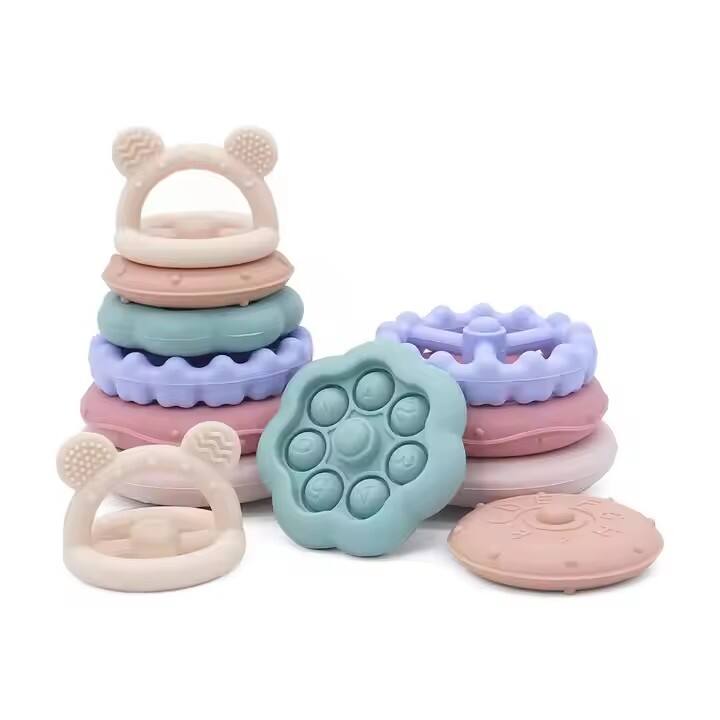
Silicone Teething Toys: A Safe Solution for Your Baby
For anyone welcoming a new bundle of joy or preparing to do so, parenting comes with its fair share of ups and downs. The excitement mixes with uncertainty, especially when dealing with those tricky developmental stages such as teething. When babies start going through this phase, finding something that actually helps them feel better becomes pretty important. That's where good quality teething toys come into play. This piece aims to walk readers through all there is to learn about silicone teething options. We'll talk about what happens during teething itself and explain why so many parents gravitate toward silicone products for their little ones.
Understanding Teething and Its Challenges
What is Teething?
Teething, sometimes called odontiasis in medical circles, happens when those first little teeth start pushing through a baby's gums. Most kids begin this process somewhere around four to six months old, though it can take until they're three or four before all their baby teeth have come in. Parents know all too well that this stage isn't exactly pleasant for tiny humans. The whole experience tends to leave babies fussy and cranky, with excessive drooling and puffy red gums as telltale signs something is happening beneath the surface.
Signs and Symptoms of Teething
Common signs that your baby might be teething include:
- Increased fussiness and irritability
- Constant drooling
- Swollen or sensitive gums
- Put everything in their mouth to chew
- Sleep disturbances
Why Babies Need Teething Toys
Teething toys are specifically designed to alleviate the discomfort associated with teething. Chewing on these toys helps massage the gums, providing relief. They are made from various materials, with silicone being a widely accepted choice for its safety and durability.
Why Choose Silicone Teething Toys?
The Benefits of Silicone
Silicone is non-toxic, flexible, and durable. This material withstands the challenging conditions associated with teething while providing a safe outlet for your baby to chew. Food-grade silicone, a common choice for teething toys, is free from harmful chemicals, making it the go-to option for most parents.
Safety of Silicone Teethers
Safety remains a top worry for most parents when it comes to teething toys. When made properly, food grade silicone tends to be pretty safe since it doesn't typically include harmful substances like BPA, phthalates or PVC. According to the FDA, this type of silicone is considered safe for kids. Another plus point is its ability to handle heat well, which makes cleaning and sterilizing these toys much simpler than other materials on the market.
Different Shapes and Designs of Silicone Teethers
Silicone teething toys are available in all sorts of fun shapes and designs that little ones just love. Think about rings, animal figures, or even custom made shapes parents can personalize. These toys usually have different textures across their surfaces, which actually helps babies develop their senses as they chew and explore. Plus, the varied textures provide some relief for those achy gums during teething time, making them both entertaining and functional for infants starting to cut their first teeth.
Safety Considerations for Silicone Teething Toys
Identifying Non-Toxic Silicone
When purchasing a silicone teether, always look for products labeled as 100% food-grade silicone. Quality brands will provide transparency about their materials and manufacturing processes, ensuring youâre choosing a safe option for your baby.
Potential Hazards of Teething Toys
Be mindful of choking hazards when selecting a teething toy. Ensure that the product does not have small detachable parts that can break off easily. Opt for solid designs with no sharp edges to ensure safety during use.
Regulatory Standards for Baby Toys
Understanding safety standards is key to making informed purchases. Look for toys that comply with ASTM F963 (the American Society for Testing and Materials). This standard covers safety aspects of toys, including choking hazards and toxic materials.
How to Effectively Use Silicone Teething Toys
Proper Cleaning and Maintenance
Maintaining the hygiene of teething toys is crucial. Silicone teethers are typically dishwasher-safe; however, they can also be handwashed with warm, soapy water. Regular cleaning helps prevent the buildup of bacteria and maintains your baby's health.
Best Practices for Use
Parents often find that chilling silicone teething toys in the fridge gives babies extra comfort for those achy gums. But don't go putting them in the freezer compartment mindlessly though. The super cold temps can actually hurt delicate little gums. Always keep an eye on the tot when they're chewing away on these toys. Watching closely makes sure nothing goes wrong and helps catch any signs the toy might need replacing after some serious gnawing action.
When to Introduce a Teether to Your Baby
The ideal time to introduce a teether is when your baby starts showing signs of teething â usually around 6 months of age. Observing signs like increased chewing and irritability can help you gauge when to start using a teething toy.
Exploring Popular Silicone Teething Toys
Top Brands and Products
As you shop for teething toys, consider some reputable brands that have received positive feedback from parents. Products made from food-grade silicone with diverse textures and shapes are particularly popular for their effectiveness and safety during the teething period.
Innovative Features in Modern Teethers
Contemporary silicone teethers often include features that cater to babiesâ developmental needs, such as varying textures, built-in massagers, and designs that promote motor skill development. Some even integrate educational features to foster cognitive growth.
Comparing Silicone Teething Toys with Other Options
While silicone is a highly recommended material, there are other teething toy materials like rubber and wood. However, silicone teethers have the advantage of easy cleaning, versatility, and are generally free of toxins, making them a preferred choice among parents.
Conclusion
Silicone teething toys have become a popular option for babies going through the teething phase because they offer both safety and comfort. Parents love them not just for being tough enough to withstand aggressive chewing but also for coming in all sorts of fun shapes that keep little ones entertained. When shopping around, it makes sense to look for reputable brands that use food grade materials free from harmful chemicals. Regular cleaning is important too since these items get handled so much by tiny hands. Many experienced parents find that incorporating silicone teethers into daily routines helps make this challenging period a bit easier on everyone involved.