
 EN
EN
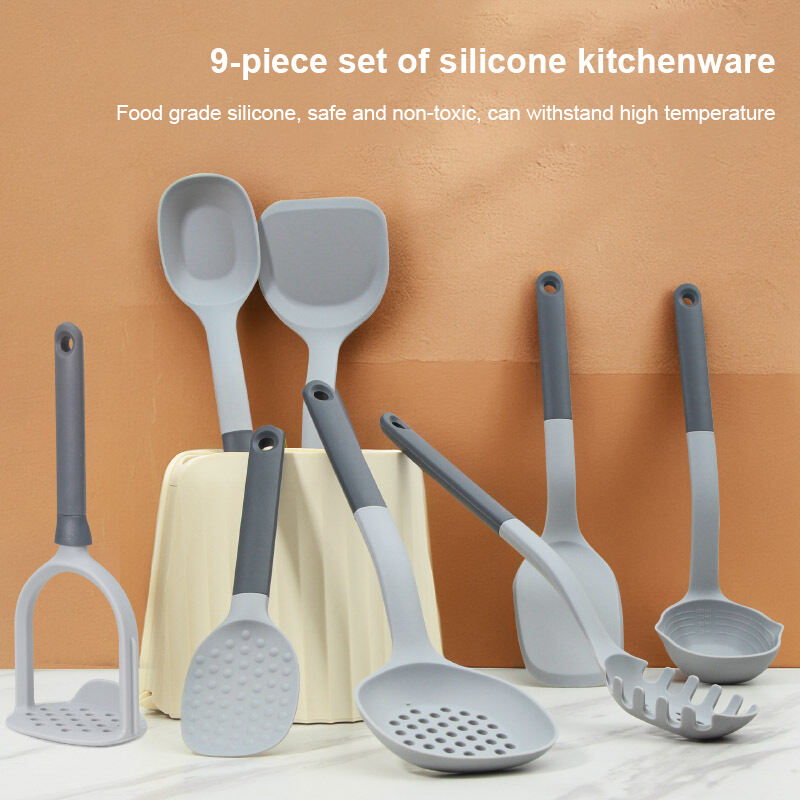
Understanding Silicone's Chemical Structure and Stability
Key Components of Food-Grade Silicone
Silicone that meets food grade standards has become super popular in kitchens because of how it works chemically. Basically, it stays flexible but doesn't react with other stuff, which makes it great for all sorts of kitchen tools. The main ingredients are silicon, oxygen, carbon, and hydrogen atoms strung together in long chains. What this means practically is we get something that bends easily but won't break down over time, and can be shaped into pretty much anything from baking molds to spatulas without losing strength. When companies make food grade silicone, they go through a careful manufacturing process that leaves out any fillers or extra chemicals that could mess with safety. The end product remains clean and safe even after repeated contact with food items. Anyone who cares about what goes into their kitchen should know that these materials need to pass strict tests from groups like the FDA and LFGB. These regulatory agencies check that there's absolutely nothing dangerous lurking in the silicone, including nasty stuff like BPA, so people can cook confidently knowing their utensils won't leach harmful chemicals into meals.
Why Silicone Resists Heat-Induced Breakdown
Kitchen tools made from silicone are really appreciated because they handle heat so well, staying intact even when exposed to very hot temperatures. The reason behind this amazing ability lies in how the polymer chains in silicone connect together, creating something like a shield against damage from heat. Most other materials tend to bend out of shape or just melt completely, but good quality food grade silicone keeps its shape no matter what. We're talking about stuff that can take on temperatures as high as 450 degrees Fahrenheit, which means these items work great whether frozen solid or baked in an oven. Tests have shown time and again that silicone kitchenware holds up remarkably well over many uses in high heat situations. That's probably why so many cooks reach for silicone whenever they need something reliable for those dishes that require constant heating.
Temperature Thresholds in Cooking Environments
How Oven Temperatures Impact Molecular Bonds
How oven heat affects the molecules in cooking materials matters a lot when we talk about how long kitchen tools last. When things get too hot, most materials start to break down because their molecular bonds give way. This can create safety issues or just make the tool stop working properly over time. But there's something special about silicone cooking gear. These utensils hold up pretty well even when exposed to really high oven temperatures. The reason? Silicone has this amazing chemical makeup with strong polymer chains running through it, which lets it handle the kind of heat we see during regular baking and roasting sessions. Take standard baking for instance, where ovens usually run around 350 to 375 degrees Fahrenheit. Roasting might push those numbers up closer to 450 degrees sometimes. Despite all that heat, silicone items like baking pans or spatulas keep performing without fail. That's why so many cooks turn to silicone products whenever they need reliable equipment for baking or roasting dishes.
Microwave Use and Material Integrity
Cooking in the microwave throws some pretty specific problems at kitchenware because different materials react differently to those microwaves bouncing around inside. Silicone stands out from the crowd though since it handles these conditions pretty well thanks to how its molecules stay put under heat. Most folks who've looked into this stuff agree that silicone kitchen tools are generally safe to use in microwaves. They don't tend to release weird chemicals or warp over time when exposed to heat. When we compare silicone to old standbys like glass or ceramic dishes, there are actually some pretty good reasons to switch. Silicone is light on the hands and bends without breaking, so no one gets cut by shattered glass after heating up leftovers. People love using silicone containers for warming up meals because they know the container won't break apart or leave bits behind in the food. That's why many kitchens now stock up on silicone instead of those fragile alternatives.
Safety Analysis of Silicone Under Thermal Stress
Chemical Leaching Risks at High Heat
Silicone kitchen tools have become pretty common these days, but how safe are they really when subjected to heat? The big concern here is whether they let out harmful stuff into our food. Studies show that good quality food grade silicone doesn't release much in the way of dangerous chemicals even at high temps. Take it from someone who's cooked with both plastic and silicone spatulas - those plastic ones tend to melt and sometimes give off weird smells when heated, while silicone stays put. There are strict rules for what counts as food safe silicone too. Both the FDA and European Union have set standards that manufacturers must follow. Basically, if something carries the proper certification marks, consumers can feel confident that their silicone cookware won't be transferring anything bad into meals compared to cheaper alternatives made from inferior materials.
Interactions Between Silicone and Acidic Foods
Looking at how silicone interacts with acidic foods matters quite a bit when talking about kitchen safety. Most research indicates silicone doesn't really react with things like tomatoes or vinegar since it stays pretty stable chemically. Metal tools sometimes change the flavor or appearance of what they touch, but silicone just sits there without messing around. People who know their stuff say there's nothing special needed when working with acidic stuff on silicone, just regular cleaning before each use as always. Plastic tools tell a different story altogether though. They tend to break down over time when faced with strong acids, which could lead to all sorts of problems down the road. That's why many cooks reach for silicone instead these days, especially when dealing with everything from citrus fruits to tomato sauces where maintaining both taste and safety is important.
Comparative Stability: Silicone vs. Traditional Materials
Plastic Utensils and Thermal Degradation
Most plastic utensils struggle with heat issues that cause them to melt or warp when things get too hot in the kitchen. Research shows typical plastics like polyethylene and polypropylene start breaking down somewhere between 230 and 320 degrees Fahrenheit. For anyone doing serious cooking or baking, this means these plastics just aren't cut out for the job since they tend to let off nasty chemicals as they degrade. On the other hand, silicone kitchen tools handle heat remarkably well. These materials stay stable even when temps hit around 400 degrees without giving off any toxic fumes or dangerous substances. That's why so many home cooks now reach for silicone spatulas and molds for their baking projects. The global popularity of silicone cookware speaks volumes about how dependable it really is in practice.
Metal Cookware Corrosion Patterns
Most metal cookware runs into corrosion problems over time, particularly when exposed to acidic foods or cooked at high heat levels for extended periods. Things like vinegar or tomato based sauces really speed up how fast aluminum and copper pots start to break down, which cuts down on how long these items last in our kitchens. Silicone utensils don't have this problem though because of the way their molecules are put together chemically. They just don't corrode like metals do. This resistance to breaking down translates to kitchen tools that stick around much longer and also makes cooking safer since there's no metal leaching into food. The European Food Safety Authority did some testing back in 2022 and found that silicone stays stable through about 1,000 cooking sessions even when heated to around 400 degrees Fahrenheit. When we look at actual performance numbers, silicone tends to outlast metal counterparts by roughly three to four times under normal home cooking conditions, making it a smarter investment for most households.
Preserving Stability Through Proper Care
Effective Cleaning for Long-Term Performance
To ensure the longevity of silicone kitchenware, it's essential to clean it properly to prevent grime buildup. Regular cleaning helps maintain its non-stick properties and keep it looking new. Here are some recommended guidelines for cleaning silicone utensils:
- **Dishwasher Safety**: Most silicone utensils are dishwasher-safe, allowing for easy and effective cleaning. However, placing them on the top rack prevents potential contact with high heat, which can degrade quality over time.
- **Hand Washing**: If preferred, hand-washing with warm water and mild detergent is effective. Using non-abrasive sponges protects the utensil surface from scratches.
- **Expert Recommendations**: Experts suggest avoiding harsh chemicals and high heat during cleaning to preserve the integrity and durability of silicone kitchen utensils, prolonging their lifespan.
Storage Practices to Prevent Contamination
Proper storage of silicone kitchen utensils is crucial for preserving their integrity and preventing contamination. Implementing safe storage methods enhances hygiene and extends the lifecycle of kitchen accessories:
- **Avoid Direct Sunlight**: Store utensils away from direct sunlight to prevent degradation. Excessive heat can lead to discoloration or weakening of the material.
- **Use Dedicated Containers**: Utilize containers or utensil holders designed specifically for silicone kitchenware. They help prevent exposure to harmful elements and maintain utensil quality.
- **Authoritative Insights**: Studies highlight the importance of storage in maximizing the hygiene, durability, and lifespan of kitchen utensils. Proper storage ensures silicone's durability remains uncompromised over time.