
 EN
EN
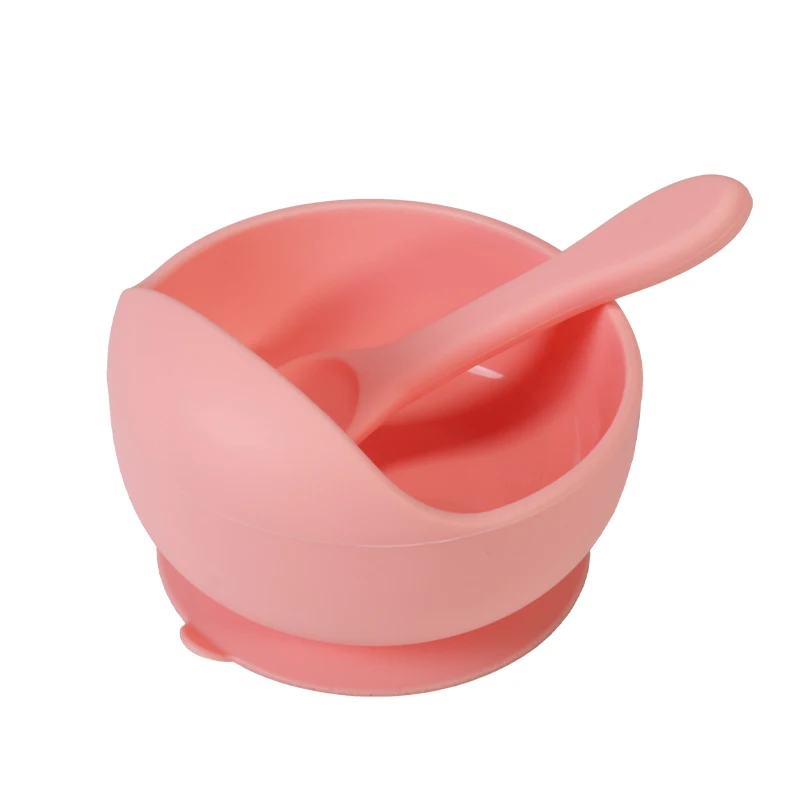
What Is BPA and Why Is It Harmful to Infants?
BPA, short for Bisphenol A, is one of those chemicals manufacturers throw into plastics to make them harder and more durable. We find it all over the place in items parents trust for their kids, including baby bottles and food storage containers. Scientists have labeled this stuff as an endocrine disruptor because it basically acts like estrogen in our bodies, messing around with hormone systems that are super important during early childhood development. Research suggests that when pregnant women come into contact with BPA, their babies might face higher chances of being born underweight, having changes in brain growth patterns, or developing health issues related to metabolism down the road. These findings definitely raise some red flags about what we're putting into our daily lives without even realizing it.
Health Risks of Chemical Leaching in Plastic Feeding Sets
When plastic feeding sets get heated up, they tend to let out chemicals faster. These include things like BPA and phthalates which can actually end up in whatever liquid or food is sitting inside them. Some folks might think switching to "BPA free" plastics solves everything, but studies have shown these alternatives often just swap one problem for another. Take BPS for instance, something commonly found instead of BPA that could mess with how thyroids work properly. Looking at research from last year, scientists discovered that putting plastic containers in the microwave causes them to shed around 4.5 million tiny plastic bits per square cm area. That's not good news especially when babies are involved since those microscopic fragments can easily be swallowed during feeding times.
Scientific Evidence Linking BPA to Developmental Issues in Babies
According to research published in 2023 from the Center for Research on Environmental Health, babies who came into contact with BPA alternatives showed nearly three times more cases of delayed speech development and increased hyperactivity compared to those not exposed. Laboratory tests on animals have shown that BPA actually hampers the growth of neurons in parts of the brain responsible for things like memory formation and emotional control. This is exactly why so many doctors now advise parents to switch to BPA-free silicone bottles and nipples. The good news is these silicone products don't break down when heated and won't release any toxic substances over time, making them a safer choice for little ones.
The Safety and Advantages of BPA-Free, Non-Toxic Feeding Solutions
Why BPA-Free Materials Are Essential for Infant Health
Infants face particular risks from chemicals because their bodies grow so fast and their ability to process toxins isn't fully developed yet. The Endocrine Society did some research back in 2023 showing how BPA can mess with hormones and cause problems in development. That's why parents are turning to BPA free silicone feeding sets these days. These products use materials that simply won't let out harmful substances even when they get hot during sterilization or accidentally get scratched. What makes silicone stand out? It stays strong at temperatures around 428 degrees Fahrenheit which means it handles boiling water without breaking down like regular plastic tends to do.
Comparing BPA-Free Materials: Silicone, Glass, and Stainless Steel
When evaluating non-toxic feeding options, parents often consider three primary materials:
| Material | Pros | Cons |
|---|---|---|
| Silicone | Flexible, lightweight, heat-resistant | Less rigid than stainless steel |
| Glass | Non-porous, easy to clean | Heavy, breakable |
| Stainless Steel | Durable, scratch-resistant | Not microwave-safe |
Silicone strikes the best balance for infant use, offering softness for teething gums while resisting bacterial growth.
How Non-Toxic Alternatives Protect Babies from Endocrine Disruptors
Chemicals that mess with our hormone systems, such as BPA, can act like fake hormones in the body and disrupt how metabolism and brain development works. Research published last year in Environmental Health Perspectives showed something interesting - when parents switched their babies to BPA free bottles and cups, the amount of BPA found in infant urine dropped by around 72% just three days later. Silicone baby products don't react chemically with breast milk or formula, which means they stay safe even after being heated multiple times for cleaning or warming feeds. Parents who care about their child's health over time might want to consider these BPA free options as protection from building up harmful substances in the body, though there are still plenty of other factors to think about when choosing feeding equipment.
Key Benefits of BPA-Free Silicone Feeding Sets for Infants
Advantages of Silicone Over Plastic Utensils
BPA-free silicone feeding sets outperform traditional plastic alternatives in safety and functionality. Unlike plastic utensils, which may leach harmful chemicals like BPA or phthalates when exposed to heat or wear, silicone remains inert and non-toxic. Its durability resists cracks and warping, even after repeated dishwasher or microwave use.
| Factor | Silicone | Plastic |
|---|---|---|
| Safety | Non-toxic, no chemical leaching | Potential BPA exposure |
| Durability | Retains shape over years | Prone to cracks and clouding |
| Heat Resistance | Stable up to 450°F (232°C) | Degrades above 200°F (93°C) |
| Hypoallergenic | Naturally gentle on skin | May harbor irritants |
Softness, Flexibility, and Comfort for Sensitive Infant Use
Silicone's soft texture mimics the gentleness of skin, making it ideal for babies with sensitive gums during teething. Unlike rigid plastic spoons, silicone utensils flex to reduce pressure while encouraging self-feeding. Their curved surfaces also help minimize spillage by better "catching" food.
Resistance to High Temperatures and Safe Sterilization
Parents can safely sterilize silicone feeding sets at boiling temperatures (212°F/100°C) without toxin release—a key advantage over plastic, which may warp or emit fumes above 160°F (71°C). This heat tolerance supports safe microwave warming and thorough steam cleaning without material breakdown.
Hypoallergenic Properties and Reduced Risk of Irritation
Certified food-grade silicone contains no latex, lead, or volatile organic compounds (VOCs), reducing allergic reactions by 87% compared to plastic in clinical studies. Its seamless design prevents crevices where bacteria or mold can accumulate, enhancing safety for infants with eczema or sensitive skin.
Silicone vs. Plastic: A Safety and Sustainability Comparison
Durability and Longevity of Silicone vs. Traditional Plastic
Silicone feeding sets tend to last much longer compared to those made from plastic. Regular plastic tends to break down when exposed to sunlight or high heat, getting all brittle and cracking over time. Silicone on the other hand stays flexible and strong even when faced with really cold or really hot conditions, working well from around minus 60 degrees Celsius right up to about 300 degrees. According to a recent study in material science back in 2023, these silicone tools actually end up lasting anywhere between three and five times longer than their plastic counterparts. That means households can throw away way less stuff each year, maybe as much as cutting down on 72% of what would normally go into landfills.
| Property | Silicone | Plastic |
|---|---|---|
| Average Lifespan | 5–10 years | 1–2 years |
| Heat Resistance | Stable up to 300°C | Warps above 70°C |
| UV Resistance | No degradation | Brittle after 6 months |
Environmental Impact: Silicone as a Sustainable Choice
Silicone comes from sand basically, which means it doesn't depend so much on oil like regular plastics do. Sure it won't break down naturally, but because it lasts longer and can be recycled multiple times, it actually has a smaller footprint on the environment overall. The numbers back this up too something like cutting carbon emissions by around 2 kilograms for each kilogram of plastic we swap out for silicone according to the Circular Economy Institute report from last year. Still worth noting though that most people need to check what their city or town offers when it comes to recycling silicone stuff since not many places have proper facilities set up for this material yet.
Risk of Degradation and Microplastic Release in Plastic Feeding Sets
Heating plastic feeding sets above 70°C accelerates chemical leaching, releasing 154% more microplastics per use (Environmental Science & Technology, 2023). These particles accumulate in infants' developing systems, with research linking prolonged exposure to inflammatory responses and impaired nutrient absorption. Silicone's stable molecular structure eliminates this risk, even during boiling sterilization.
How to Identify Genuine Food-Grade BPA-Free Silicone: FDA and LFGB Standards
What Is Food-Grade Silicone and How Is It Certified?
Silicone that's safe for food doesn't contain harmful stuff like BPA or phthalates, those chemicals that mess with our hormones. The stuff needs to go through some pretty tough testing before it gets approved. Certifications matter a lot here. The big names are FDA from America and LFGB in Germany. These organizations check how materials hold up when exposed to really cold or hot temperatures ranging from minus 40 degrees Celsius all the way up to 230 degrees Celsius. They also look at what happens after extended contact with food products. Speaking of standards, German regulations actually demand three times as much testing for substances migrating into food compared to American rules according to recent research findings.
The Role of FDA and LFGB in Ensuring Safety of Silicone Baby Products
The FDA and LFGB set benchmarks for silicone safety in baby feeding products:
| Certification | Scope | Key Tests | Temperature Resistance | Label Identifier |
|---|---|---|---|---|
| FDA | U.S. market compliance | Chemical leaching, thermal degradation | -40°C to 220°C | "FDA-compliant" |
| LFGB | European safety standards | Migration, odor, and filler content | -40°C to 230°C | Knife-and-fork symbol |
LFGB's protocols also include accelerated aging tests to simulate long-term use, making it a preferred standard for parents focused on durability and chemical safety.
How to Identify Genuine BPA-Free Silicone Feeding Sets Using Certification Labels
Look for these indicators of authenticity:
- LFGB or FDA labels on packaging or product descriptions.
- Pinch test: Pure silicone resumes its shape instantly; low-quality versions leave white streaks.
- Odorless finish: Premium silicone has no chemical smell, even after sterilization.
Avoid products labeled "silicone-blend" or those with overly bright colors, which may contain unregulated fillers. Prioritize sets with dual LFGB and FDA certifications for maximum infant safety.
FAQ Section
Is BPA harmful to my baby?
Yes, BPA is considered harmful to infants as it can disrupt hormone systems, potentially affecting growth and development.
Can BPA-free plastics still be unsafe?
Yes, many BPA-free plastics substitute BPA with other chemicals like BPS, which can still cause harm, especially when heated.
Why choose silicone over plastic for feeding sets?
Silicone is non-toxic, durable, heat-resistant, and does not leach harmful chemicals, making it a safer choice for infants.
How do I identify genuine BPA-free silicone products?
Look for FDA or LFGB certification labels, check for a pinch test, and ensure there is no chemical odor.
Table of Contents
- What Is BPA and Why Is It Harmful to Infants?
- Health Risks of Chemical Leaching in Plastic Feeding Sets
- Scientific Evidence Linking BPA to Developmental Issues in Babies
- The Safety and Advantages of BPA-Free, Non-Toxic Feeding Solutions
- Key Benefits of BPA-Free Silicone Feeding Sets for Infants
- Silicone vs. Plastic: A Safety and Sustainability Comparison
- How to Identify Genuine Food-Grade BPA-Free Silicone: FDA and LFGB Standards
- FAQ Section