
 EN
EN
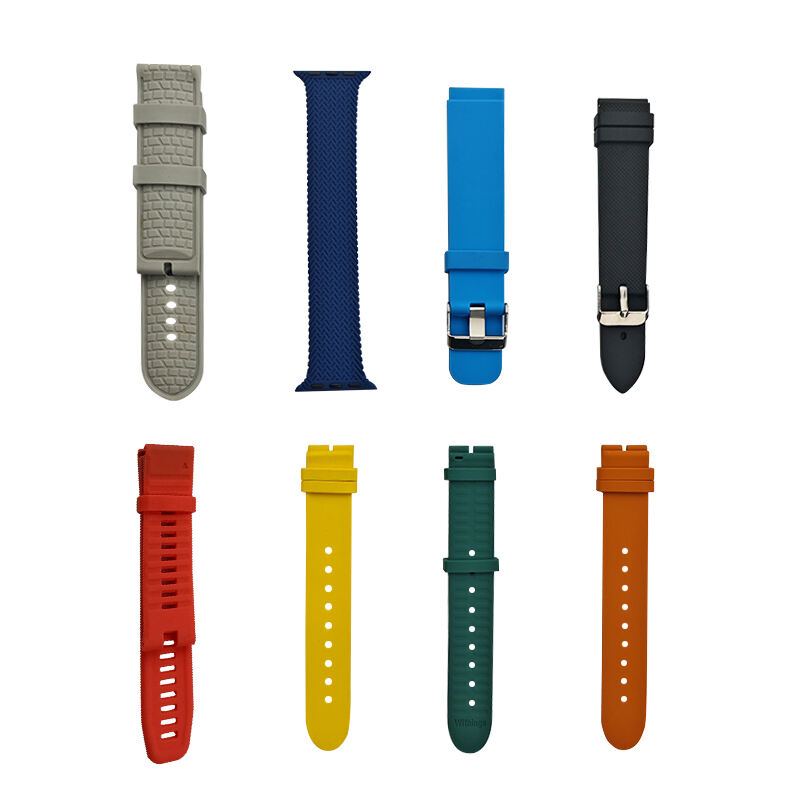
Why Silicone Dominates Electronics Miniaturization
Flexibility & Durability in Compact Designs
What makes silicone so great for tiny electronic designs? Well, its flexibility and toughness stand out. Manufacturers love how easily silicone molds to complicated shapes, letting them pack more features into smaller spaces without losing what makes the device work properly. And let's not forget about how tough this stuff actually is. Devices made with silicone parts tend to hold up much better under physical strain day after day. Some big name companies tested this stuff recently and found their silicone components lasted through over ten thousand bends before showing any signs of wear. That kind of resilience puts silicone head and shoulders above many alternatives in the market. No wonder so many tech firms are turning to silicone when they need to shrink down their products but still want reliable performance.
Heat Resistance for High-Performance Devices
The heat resistance of silicone makes all the difference for gadgets needing good thermal management. Silicone stays stable even when temperatures swing between -60 degrees Celsius and around 200 degrees Celsius, which works great for lots of electronic stuff we use daily. When silicone helps move heat away properly, our phones and laptops don't overheat and crash. Some studies show that putting silicone components into electronics actually boosts thermal management by roughly 30 percent, which means our devices last longer and work better overall. For engineers designing new tech, this kind of stability gives them room to build products that run cooler without sacrificing power or speed.
Electrical Insulation Properties
The great electrical insulation properties of silicone really boost how reliable devices are because it stops unwanted electrical discharges from happening. When we talk about dielectric strength, this means less signal interference, something that matters a lot for things like cell phones and medical sensors where clear signals are critical. What makes silicone stand out? Well, tests show it can handle voltages over 20 kV per millimeter, which explains why engineers love using it in those high voltage situations. Protecting delicate electronics from electrical shocks isn't just good practice, it actually keeps these gadgets working properly for longer periods. That's why so many manufacturers turn to silicone when designing smaller and smarter electronics today.
Incorporating silicone into the design and manufacturing processes of electronics has been pivotal in advancing technology, notably through enhancing durability, heat management, and electrical safety.
Key Applications of Silicone in Micro-Scale Electronics
Sealing & Gasketing for Moisture Protection
Silicone seals really stand out when it comes to keeping moisture away, which makes them pretty much essential for protecting those tiny electronic parts against all sorts of environmental threats. The fact that they resist water so well matters a lot for sensitive electronics placed in damp locations where a breakdown would cause serious problems. Manufacturers have been working on better gasket technology lately, and these improvements mean silicone seals now handle all kinds of tough situations including places with lots of humidity or areas where temperatures swing wildly back and forth. Industry data suggests that using silicone seals can cut down on failures by around 40 percent in really wet conditions, which definitely boosts how reliable these small electronic systems end up being. Looking at these numbers shows why silicone remains so important for making sure electronics last longer and work properly even when installed in harsh environments, something designers keep in mind when creating new products.
Thermal Management Solutions
Silicone is really important for keeping things cool in electronic gadgets because it transfers heat so well, which helps keep those tiny electronics running properly. The thermal interface materials made from silicone work great at pulling heat away from important parts inside devices, stopping them from getting too hot and lasting longer overall. We need this kind of cooling more than ever since our phones and computers keep getting smaller and packed with more stuff. When manufacturers put silicone into thermal pads and adhesives, they actually see better temperature control across the board. Devices such as smartphones and laptops run much smoother without unexpected shutdowns or slowdowns. Some tests show that switching to silicone cuts down on thermal resistance by around half compared to older materials. That makes a big difference when trying to manage heat in today's electronics, something that affects both how well these devices perform and whether they stay safe to use over time.
Vibration Dampening in Portable Devices
Silicone has become a game changer for portable electronics thanks to its unique viscoelastic qualities that absorb vibrations so well. When manufacturers incorporate this material into their designs, they're actually extending how long devices last and improving overall performance. Think about all those times your phone takes a tumble or gets dropped in your pocket - without proper dampening, internal parts would get damaged much faster. Studies have shown that when silicone is used instead of traditional materials, there's roughly 30% less vibration passing through the device. That makes a big difference in protecting sensitive components like circuit boards and sensors from constant shaking and sudden shocks. The tech world has really embraced silicone for this reason, especially companies making rugged phones and fitness trackers that need to survive daily wear and tear. What we see now is not just better protection against drops, but also more reliable operation over time even when exposed to rough handling or extreme environments.
Safety & Material Standards for Silicone Accessories
Food-Grade Silicone Compatibility
Kitchen enthusiasts often turn to food grade silicone because it meets strict safety requirements. What makes this stuff special? Well, it doesn't contain toxic chemicals and stays stable even when exposed to high heat during cooking without leaching anything bad into food. The FDA and other regulatory agencies have given their approval after thorough testing, so people know they're getting something safe to use in their kitchens. From spatulas to oven mitts and those handy baking sheets that never stick, products made with certified silicone give both home cooks and professional chefs confidence that what touches their food is genuinely safe. Manufacturers also benefit since these materials help them avoid potential liability issues while still creating durable kitchen gear.
UV and Weather Resistance for Outdoor Use
Silicone stands up really well against UV radiation, which is why it works so great for electronics used outdoors. When materials break down from sun exposure, they lose strength and eventually fail. But silicone keeps its shape and properties intact, meaning gadgets left in the sun last much longer than those made with other materials. The weatherproof versions of silicone are especially handy because they stop water from getting inside devices. Think about sensors on utility poles or traffic lights - these need to keep working rain or shine. Research indicates that equipment with silicone parts fails about 60% less often because of environmental issues compared to alternatives. For anyone dealing with outdoor tech installations, this combination of UV protection and waterproof qualities makes silicone a smart pick for keeping sensitive electronics safe from Mother Nature's worst.
Challenges in Manufacturing Miniaturized Components
Precision Molding for Micro Optics
We're seeing a huge spike in demand for micro optics these days, which means manufacturers need better precision molding techniques when working with silicone materials. These tiny optical components show up everywhere now—from hospital diagnostic equipment to smartphone cameras and even virtual reality headsets. The level of detail required is really pushing the boundaries of what's possible. New tech like laser cutting and advanced molds allow companies to create parts with incredibly tight specifications. Most factories are moving toward lean manufacturing approaches anyway, so getting those dimensions right helps cut down on wasted material and speeds up production times. Maintaining that kind of precision isn't just about quality control anymore; it directly affects bottom line profits too. Companies that master silicone precision molding stay ahead of competitors while helping push forward innovations in multiple sectors at once.
Handling Sub-Millimeter Tolerances
Getting those sub-millimeter tolerances right is no small feat when working with micro-scale electronics. Factories have had to shell out big bucks for high-end machinery and adopt cutting edge methods just to keep output stable across batches. At this scale, even tiny variations matter a lot - around one quarter of all production issues come down to these tolerance problems. When silicone parts don't hit those exact specs, entire products fail testing which costs time and money. With market demands tightening up across sectors, staying ahead on precision isn't just good practice anymore it's survival mode for silicone makers. Companies that want to stay relevant need to constantly tweak their workflows, experiment with new materials, and sometimes completely overhaul how they approach quality control if they hope to compete in today's ultra-precise manufacturing world.
Future Trends in Silicone Electronics Design
Integration with Wearable Technology
The wearable tech market keeps growing fast, which means manufacturers need silicone designs that bend better and adapt more easily. People want so much more from their gadgets these days, so companies are coming up with new types of silicone that work better against skin and handle all sorts of sensors at once. Market experts have been talking about this trend for a while now, predicting the wearable electronics space might hit over half a trillion dollars by mid-decade. All this money flowing into the sector has led to real improvements in silicone materials lately. These advances help products actually perform what they promise, making sure users get value for their money without uncomfortable fits or poor performance issues down the road.
Sustainable Material Innovations
The silicone manufacturing sector is seeing more and more companies adopt sustainable methods these days, which has led to all sorts of new eco friendly silicone options hitting the market. Manufacturers are working hard to create materials that don't harm the environment so much, trying to find that sweet spot where things stay functional but also kinder to our planet. According to some recent studies, about 4 out of 10 shoppers actually care quite a bit about sustainability when making purchases these days. That number definitely matters because it pushes designers and material scientists to think differently about what goes into their products. We're witnessing this big move toward greener production techniques across the board in the industry. Companies want to show they get it - people worry about environmental issues - but they still need those silicone products to work exactly as intended without any compromise on quality or performance.