
 EN
EN
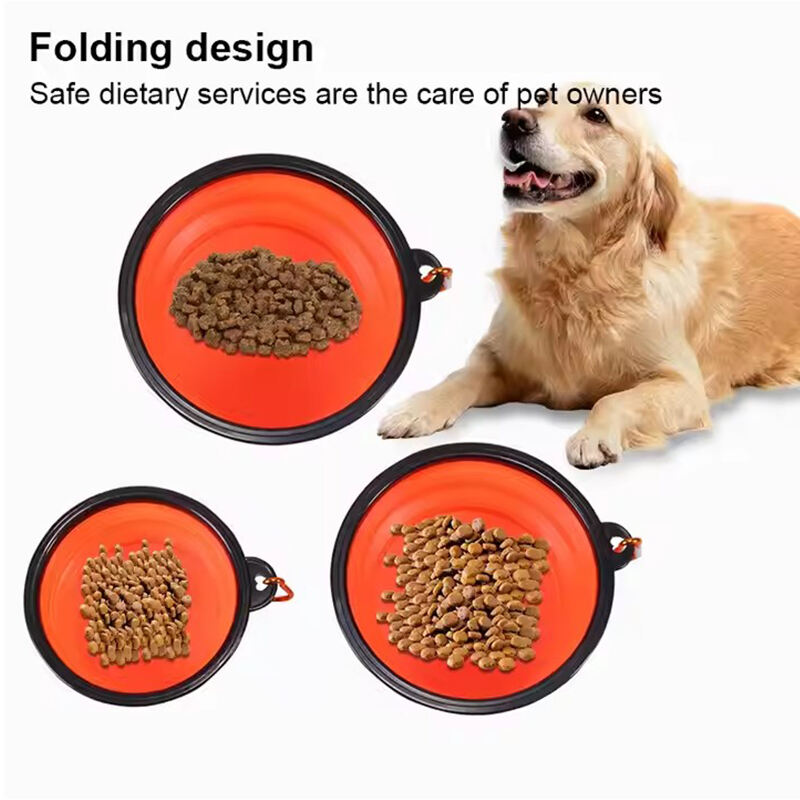
What Makes Silicone Safe for Pet Products?
Defining Food-Grade Silicone Standards
Silicone that meets food grade standards plays a big role in keeping pet products safe since it needs to follow strict guidelines from groups such as the FDA. What this means practically is that the material won't leach anything bad into either food or when touched by animals. Anyone buying silicone based pet items should check for those certification marks or labels showing they meet all those rules. That gives peace of mind about what goes into our furry friends' lives. The same kind of silicone we find in kitchenware and containers for storing leftovers works great for pets too, proving how dependable and flexible this material really is across different applications.
Non-Toxic Properties and Pet Safety
Pet owners love silicone because it's basically harmless stuff, which makes it great for things their furry friends chew on or play with. Regular plastic toys can sometimes have those bad chemicals like BPA or phthalates hiding inside them, but silicone just sits there without letting anything nasty escape into the air or onto fur. Studies have shown that when we talk about food grade silicone specifically, most animals don't seem to get allergic reactions from it either something real important if our pets happen to have sensitive skin issues or allergy problems already. Plus, since silicone doesn't really interact with anything else at all, whether its kibble residue or whatever gets stuck in between teeth after mealtime, whatever comes into contact stays safe and intact without breaking down or releasing toxins over time.
Resistance to Bacteria and Mold
Silicone has this really smooth surface that makes it pretty good at fighting off bacteria and mold growth, which is why many pet product manufacturers prefer it for their designs. Research indicates that silicone tends to host fewer bacteria than materials like plastic or rubber, so pets stay safer when using these products. Another big plus? Silicone handles temperature changes well, which helps keep things clean over time. Owners can just throw silicone toys into boiling water or run them under steam to kill germs, and the material won't break down or lose its shape after repeated cleaning sessions. This durability combined with easy maintenance makes silicone a smart choice for anyone concerned about keeping their furry friends healthy.
Comparing Silicone to Other Pet Product Materials
Silicone vs. Plastic: Leaching Risks Explained
When looking at silicone versus plastic materials, one big issue stands out right away: what gets released into our environment. Plastic tends to let out dangerous substances over time, especially if heated up. We've seen research pointing out that some plastics actually put stuff like BPA into whatever they touch, whether it's food or drinks. That poses real problems for health. Silicone works differently though. It stays put and doesn't leak anything harmful, which makes it much better suited for things pets interact with daily. Plus, most silicone pet items last way longer than regular plastic ones do. Pet owners find themselves replacing plastic toys every few months while silicone versions keep going strong year after year without breaking down.
Thermoplastic Elastomers (TPE) vs. Silicone Durability
Looking at Thermoplastic Elastomers (TPE) versus silicone, one thing stands out right away durability matters a lot. Sure, TPE is flexible, but when it comes to standing up against heat and UV exposure, nothing beats silicone. Silicone materials handle extreme temperatures without breaking down, something most TPEs just can't do. Tests show that after hundreds of cycles of bending and stretching, silicone keeps performing like day one while TPE starts showing signs of wear much sooner. For manufacturers concerned about product longevity, this makes all the difference. The initial cost might be higher for silicone parts, but they last so much longer that many companies find themselves saving money in the long run despite the upfront expense.
Why Silicone Outperforms Traditional Materials
When it comes to making stuff for pets, silicone just beats old fashioned materials like rubber or plastic hands down. Rubber tends to crack after a while and plastic often gets chewed up pretty fast compared to silicone that lasts much longer. What makes silicone so great is how flexible it is. Manufacturers can shape it all sorts of ways without compromising strength, which means safer toys and better performing feeding bowls. Look around at what people are buying these days and there's clearly a trend toward silicone products. Most folks love how easy they are to clean and maintain, something every dog or cat owner appreciates when dealing with messy situations. All these reasons explain why more companies are switching to silicone for their pet product lines.
Hygiene Best Practices for Silicone Pet Accessories
Proper Cleaning Techniques for Bowls and Mats
Keeping silicone pet accessories clean really matters for our furry friends' health and general well being. When it comes to cleaning those silicone bowls and mats, most folks find that warm soapy water works best when used with soft sponges that won't scratch the surface. The nice thing about this approach is that it gets rid of dirt and grime without wearing down the material over time. Don't forget to give everything a good rinse after washing too many people skip this step and leave behind soap that could potentially bother sensitive pets. Setting up a routine cleaning schedule makes life easier in the long run. A quick wipe down every few days goes a long way toward keeping bacteria at bay and maintaining those shiny new looks on old favorites.
Dishwasher Safety and Temperature Limits
Dishwasher safe silicone pet stuff really takes the hassle out of cleaning. These items generally survive a normal dishwasher run without issues, making life easier for folks who are always on the go with their furry friends. But there's something important to know about heat levels. Silicone gets messed up when exposed to too much heat, so warped bowls or chew toys aren't uncommon. Check those packaging details or reach out to the company directly for specifics on what temperatures they recommend. Following these basic guidelines will keep most silicone pet products working properly for years instead of ending up in the trash after just a few washes.
Preventing Odor Retention in Porous Surfaces
The fact that silicone doesn't absorb smells because it's non porous is great news for pet owners, though regular maintenance remains important to stop food bits and pet messes from building up over time. Adding some baking soda or white vinegar when cleaning works wonders at getting rid of stubborn odors that somehow get trapped inside. Checking silicone items regularly makes sense too since spotting small cracks or discoloration early helps prevent those areas from becoming odor traps. Keeping up with basic cleaning routines keeps pet toys and feeding bowls smelling fresh, which ultimately contributes to better overall hygiene conditions for our furry friends without all the hassle.
Recognizing High-Quality Silicone Pet Products
FDA and USP Certification Markers
Looking at silicone toys and accessories for pets? Check if they carry FDA or USP certification first. These marks indicate the product has passed certain safety tests that protect animals from harmful substances. Spotting those official seals on packaging gives buyers confidence their purchase was made according to industry regulations. Without proper certification, many items might skip important quality checks altogether. Think about it this way: just because something looks safe doesn't always mean it is, especially when it comes to curious critters who love to chew on everything within reach.
Importance of Manufacturing Origin Transparency
Where something gets made really affects how people see its safety and quality. Items from places with strict rules tend to have better safety records overall. Take countries that actually check their stuff thoroughly before shipping it out they usually make safer silicone products. When companies are open about where their materials come from, customers generally trust the silicone more. Most shoppers want to know exactly what goes into their products these days, so transparency matters a lot for building that trust factor.
Identifying Fillers and Low-Quality Compounds
Good quality silicone products generally don't have fillers added to them because these additives tend to mess with safety and how well they actually work. When checking out silicone stuff, a simple way to tell if it's decent quality is by feeling it with your hands. Really good silicone feels pliable yet strong at the same time. The more people know about what makes silicone different from one product to another, the easier it becomes to spot the real quality ones versus the cheap knockoffs. Sticking to filler-free options keeps the silicone intact longer and works better over time, something that matters a lot when making products for pets where safety really counts.
Addressing Common Concerns About Silicone Safety
Can Dogs Develop Silicone Allergies?
Allergies to silicone among pets turn out to be pretty uncommon actually, there just aren't many reports about this in vet journals. Most dogs seem fine with products containing silicone without having bad reactions. Still worth keeping an eye on things though. Regular visits to the vet become important whenever we bring something new into our pets' lives. We should watch for anything strange happening after introduction. A good practice is trying out a silicone based item on just one spot first rather than going all out right away. This lets us see how well it works for our particular furry friend while protecting their overall health in the long run.
Environmental Impact of Silicone Production
Many people see silicone as a greener option compared to regular plastic because it lasts longer and can actually be recycled. Studies looking at how silicone products live their whole life show that if handled correctly during production, the process isn't too bad for the environment. What matters most though is whether companies source materials responsibly and manufacture without harming nature. So when shopping for silicone items, consumers should look out for brands making real efforts toward sustainability in their factories and supply chains. The best choices come from companies genuinely committed to reducing waste and protecting our planet while still making quality products.
Recycling and Sustainability Considerations
There aren't many recycling programs out there for silicone products yet, which makes it even more important for people to think carefully about what they buy. When looking at sustainability, we need to pay attention to where materials come from and how things get made in the first place if we want to cut down on waste. Reusable silicone items actually make a difference because they stay out of landfills longer than single use alternatives. The environment benefits when these products don't end up decomposing improperly. For everyday shoppers, backing companies that genuinely care about their environmental footprint matters a lot. Brands that offer actual ways to recycle old silicone gear or find new purposes for it help push the whole industry toward greener practices over time.