
 EN
EN
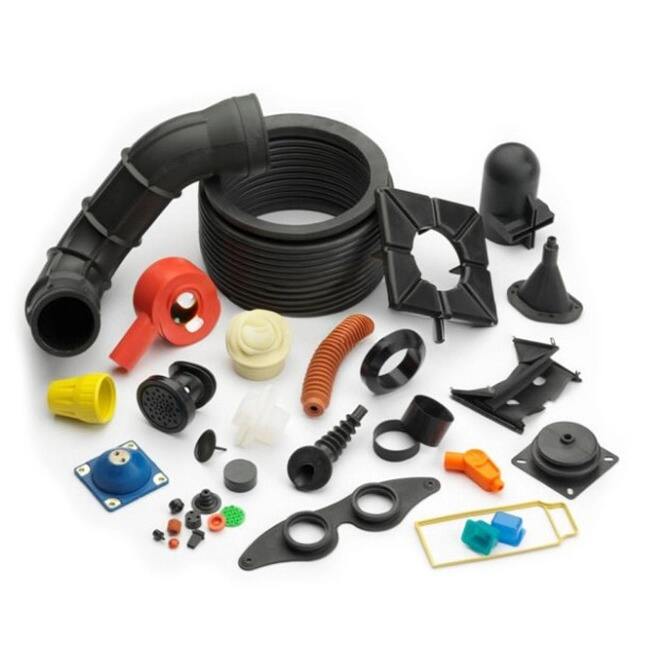
Why Cable Protection in Harsh Environments Demands Silicone Rubber Sleeves
Understanding the Demand for Cable Protection in Harsh Environments
Industrial facilities, offshore installations, and renewable energy systems expose wiring to extreme conditions that degrade standard protective materials. A 2023 material performance study found unprotected cables in these environments fail 47% faster than those with specialized protection due to cumulative stress damage.
Key Environmental Stressors Affecting Unprotected Cables
Unshielded wire systems face four primary threats:
- Thermal cycling (-55°C to 200°C) causing material fatigue
- Chemical corrosion from oils, acids, and saltwater exposure
- UV degradation reducing flexibility by 34% annually (Outdoor Material Council 2022)
- Mechanical abrasion from vibration and particulate impact
How Custom Silicone Sleeves Enhance Durability of Wire Systems
Silicone rubber sleeves combat these stressors through:
- Temperature resilience: Maintain elasticity across -60°C to 230°C ranges
- Molecular stability: 92% less swelling than PVC when exposed to hydrocarbons
- Abrasion resistance: Withstand 200+ hours of ASTM D5963 sand erosion testing
Advantages of Silicone Over Standard Protective Materials
| Property | Silicone Rubber | EPDM Rubber | PVC |
|---|---|---|---|
| Max Operating Temp | 230°C | 150°C | 105°C |
| Chemical Resistance | Excellent | Moderate | Poor |
| Service Life (Outdoor) | 15-25 years | 8-12 years | 3-5 years |
Field data from power transmission projects shows silicone sleeves reduce maintenance costs by $18.50 per linear foot compared to EPDM alternatives over 10-year periods.
Material Science of Custom Silicone Rubber: Thermal, UV, and Environmental Resistance
Thermal Stability Under Extreme Temperatures: Performance From -55°C to 200°C
Silicone rubber sleeves hold up much better in extreme temperatures than most other materials out there. Take EPDM or PVC for instance they start getting brittle when temps drop below -30°C and get all soft and gooey once it gets over 125°C. Lab tests show that silicone stays flexible down to as cold as -55°C and doesn't turn rock hard until around 200°C. What does this mean practically? These sleeves work reliably whether installed on pipelines in Arctic conditions or wrapped around engine components where things get really hot. The oil rigs in Alaska rely on this property just as much as car manufacturers need it for their wiring harnesses that sit right next to engines.
UV and Weather Resistance in Rubber Products: Long-Term Outdoor Reliability
Exposure to sunlight degrades most polymers through photooxidation, but silicone’s inorganic backbone provides inherent UV resistance. Accelerated aging tests simulating 15 years of outdoor exposure (per IEC 61215:2022) show less than 5% loss in tensile strength for silicone sleeves, compared to 40–60% degradation in PVC alternatives.
Resistance to Ozone, Moisture, and Chemical Exposure: Validated Through Accelerated Aging Tests
Industrial-grade silicone formulations withstand 500+ hours of ozone exposure (ASTM D1149) with no surface cracking, while resisting moisture absorption rates <0.1% even in 95% humidity. Independent studies validate chemical resistance against:
| Exposure Type | Performance (48H Immersion Test) |
|---|---|
| Sulfuric Acid (20%) | No swelling or hardness change |
| Hydraulic Oil | <2% volume increase |
| Saltwater | Zero conductivity degradation |
Customizable Silicone Rubber Formulations for Specialized Industrial Needs
Material engineers tailor silicone sleeves by integrating:
- Silica fillers to enhance abrasion resistance by 300% (ASTM D5963)
- Phenyl groups for low-temperature flexibility down to -100°C
- Conductive carbon black for EMI shielding (30–90 dB attenuation)
Recent advances in AI-driven material modeling enable rapid prototyping of hybrid elastomers optimized for nuclear reactor cable conduits and subsea robotics—applications requiring simultaneous resistance to radiation, pressure, and thermal cycling.
Industrial Applications of Silicone Rubber Sleeves Across Critical Sectors
Silicone Sleeves for HV Connectors and Cable Sheaths in Power Transmission
Silicone rubber sleeves provide critical insulation and mechanical protection for high-voltage (HV) cable connections in energy grids. Their dielectric strength (≥20 kV/mm) prevents arc faults in transmission lines, while flexibility accommodates thermal expansion in buried or overhead installations.
Use of Custom Rubber Parts in Aerospace and Defense Wiring Systems
Aerospace-grade silicone sleeves withstand -65°C to 230°C temperature swings and vibration loads exceeding 10 G-force in flight control systems. Custom formulations meet MIL-DTL-25988 standards for jet engine wiring harnesses, reducing maintenance intervals by 40% compared to PTFE insulation.
Marine and Offshore Applications Requiring Environmental Protection for Wires and Cables
Saltwater immersion tests show silicone sleeves maintain >95% tensile strength after 5,000 hours of salt spray exposure. Offshore drilling platforms use compression-molded sleeves with 0.05% water absorption rates to protect subsea umbilical cables from hydrolytic degradation.
Emerging Uses in Renewable Energy and Electric Vehicle Infrastructure
Solar farm DC combiner boxes now integrate UV-stabilized silicone sleeves to prevent PID (Potential Induced Degradation) in 1,500V systems. EV charging stations employ flame-retardant grades (UL 94 V-0 rated) to insulate liquid-cooled 800V battery cables, enabling 350 kW fast-charging cycles.
Electrical Insulation Performance in High-Voltage and Sensitive Systems
Dielectric Strength and Electrical Safety Standards for Silicone Rubber Insulation
When it comes to dielectric strength, silicone rubber sleeves really stand out. They can handle around 20 kV per millimeter while regular PVC only manages about 15 kV/mm. What makes these materials so reliable is their ability to keep performing consistently even when humidity fluctuates from as low as 10% all the way up to 90% relative humidity. This stability actually meets those strict IEC 60601-11 requirements needed for proper medical grade insulation work. Tests conducted by third party labs have found something pretty impressive too. After sitting through harsh salt spray conditions for roughly 15,000 hours straight, silicone still holds onto about 98% of its original insulation capabilities. That kind of durability matters a lot for equipment used in offshore wind farms where exposure to seawater and salt air is constant concern for engineers planning long term maintenance schedules.
Performance Comparison with Traditional Insulation Materials (PVC, EPDM)
| Property | Silicone Rubber | PVC | EPDM |
|---|---|---|---|
| Max Operating Temp | 200°C | 70°C | 150°C |
| Flame Retardancy | V0 UL94 | HB UL94 | HB UL94 |
| Cold Flexibility | -55°C | -10°C | -40°C |
Silicone’s 43% lower carbonization rate under arc faults minimizes fire risks in data center PDUs compared to carbonizing PVC insulation.
Case Study: Failure Reduction in High-Voltage Systems Using Silicone Sleeves
A 2023 grid resilience initiative retrofitted 12 substations with custom silicone rubber sleeves on 345 kV bushings. Field data showed:
- 76% reduction in partial discharge events
- 54% slower insulation resistance degradation
- Zero weather-related failures during 18-month monitoring
Design and Manufacturing of Custom Silicone Rubber Sleeves for Precision Applications
From Prototype to Production: Engineering Custom Rubber Parts to Exact Specifications
Silicone rubber sleeve development starts off with creating digital models that turn performance specs into actual designs that can be manufactured. Engineers use advanced computer aided design software to test how these sleeves will perform when subjected to different stresses such as being compressed, twisted, or exposed to temperature changes over time. Before going into mass production, companies typically run rapid prototypes using techniques like 3D printed molds or trial runs with liquid silicone rubber injection. These tests check if the seals hold up and if the dimensions match what was designed. Most manufacturers stick to ISO 9001 certified tooling methods because they want consistent quality between batches. This matters a lot for things like aerospace connectors or wiring in medical devices where even tiny differences matter since tolerances need to stay within about plus or minus 0.1 millimeters.
Tailoring Physical Properties Through Filler Integration and Polymer Modification
When material scientists want specific performance characteristics out of silicone materials, they typically tweak the polymer chains and throw in some reinforcing fillers. Precipitated silica is a common addition that can boost tear resistance quite significantly, sometimes around 40% depending on the formulation. Carbon nanotubes work differently but are just as important for making those static dissipative sleeves we see in electronics manufacturing. And let's not forget about those special cases where temperatures go crazy. By adding phenyl groups to the molecular structure, manufacturers ensure their silicone stays flexible even when exposed to really cold conditions down at minus 60 degrees Celsius or super hot environments reaching up to 230 degrees. All these customized formulas need proper testing before hitting the market place. They must pass ASTM D412 tests for tensile strength and also clear UL 94 flammability standards which vary depending on what industry they're going into.
Trend: Adoption of AI-Driven Material Modeling in Silicone Formulation Design
Manufacturers who want to stay ahead are starting to use machine learning to figure out how different nano-additives and crosslinkers affect silicone properties. These systems run on databases with over 15 thousand material tests and can cut down on trial and error by around two thirds. That means products like insulation for electric vehicle batteries or protective covers for 5G antennas get developed much faster than before. What makes this approach so valuable is the way it balances what companies actually pay versus what they need from their materials. The market wants something that costs about twenty five cents per foot but still lasts at least fifteen years outside in all kinds of weather conditions.
FAQ Section
Why use silicone rubber sleeves over other materials for cable protection?
Silicone rubber offers superior temperature resilience, chemical resistance, and longer service life, reducing maintenance costs over time compared to materials like EPDM and PVC.
How does silicone rubber perform under extreme temperatures?
Silicone maintains flexibility from as low as -55°C to as high as 230°C, making it ideal for a range of harsh environments.
What industries benefit from using silicone rubber sleeves?
Industries such as aerospace, marine, defense, renewable energy, and power transmission benefit from using silicone rubber sleeves due to their specialized requirements for insulation, durability, and resistance to environmental stressors.
Table of Contents
- Why Cable Protection in Harsh Environments Demands Silicone Rubber Sleeves
-
Material Science of Custom Silicone Rubber: Thermal, UV, and Environmental Resistance
- Thermal Stability Under Extreme Temperatures: Performance From -55°C to 200°C
- UV and Weather Resistance in Rubber Products: Long-Term Outdoor Reliability
- Resistance to Ozone, Moisture, and Chemical Exposure: Validated Through Accelerated Aging Tests
- Customizable Silicone Rubber Formulations for Specialized Industrial Needs
-
Industrial Applications of Silicone Rubber Sleeves Across Critical Sectors
- Silicone Sleeves for HV Connectors and Cable Sheaths in Power Transmission
- Use of Custom Rubber Parts in Aerospace and Defense Wiring Systems
- Marine and Offshore Applications Requiring Environmental Protection for Wires and Cables
- Emerging Uses in Renewable Energy and Electric Vehicle Infrastructure
- Electrical Insulation Performance in High-Voltage and Sensitive Systems
- Design and Manufacturing of Custom Silicone Rubber Sleeves for Precision Applications
- FAQ Section