
 EN
EN
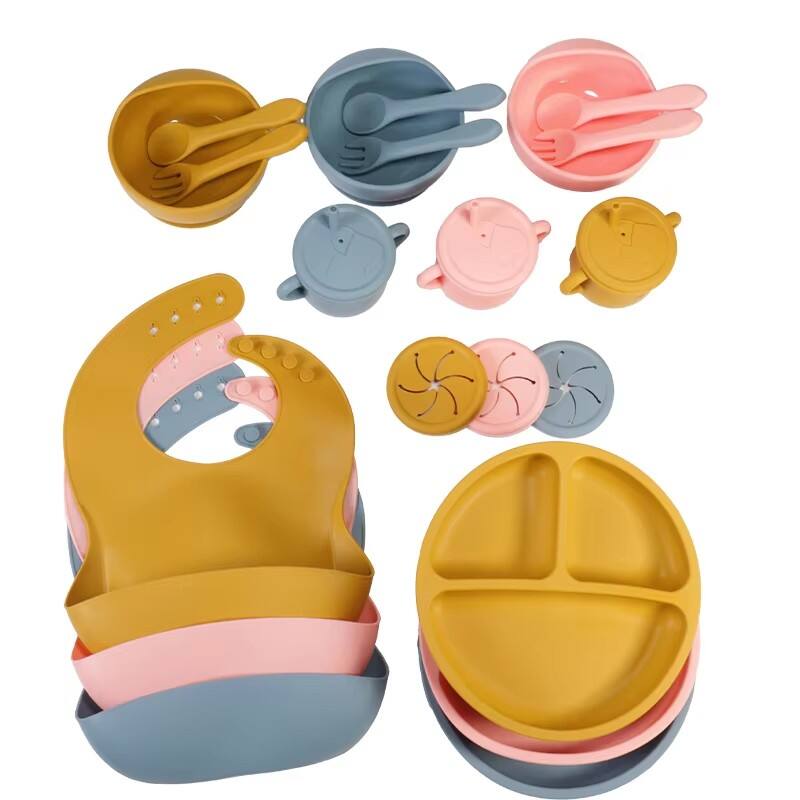
Understanding BPA and Why BPA-Free Silicone Products Are Essential
What Is BPA and Why Is It Harmful?
Bisphenol A, commonly known as BPA, is basically a man-made compound that manufacturers add to plastic products to make them stronger. We find it in all sorts of things like food storage containers, those plastic water bottles we carry around, and even inside the lining of most canned foods. What makes BPA problematic is how it behaves in our bodies. The substance acts kind of like estrogen, which messes with our hormone system even when someone has only minimal contact with it. According to a recent study from the National Institutes of Health back in 2023, they found traces of BPA in nearly every person they tested - about 93% actually. This has raised concerns about connections between BPA exposure and issues like weight problems and delayed development in kids. One thing that sets BPA apart from other plastics is that it doesn't stay put. When these containers get heated up, start showing signs of wear and tear, or come into contact with something acidic, the chemical tends to seep out into whatever's inside them.
Common Sources of BPA Exposure in the Home
Everyday household items contribute to chronic BPA exposure:
- Food packaging: Plastic takeout containers, reusable water bottles, and canned foods—some of which exceed FDA thresholds for BPA migration.
- Children’s products: Older plastic toys, sippy cups, and baby formula containers.
- Thermal receipts: Handling these transfers BPA through skin absorption.
Microwaving or dishwashing plastic accelerates degradation. Research by the Environmental Working Group (2022) found that microwaved polycarbonate plastics released BPA at concentrations 40 times higher than those stored at room temperature.
Health Risks of BPA, Especially for Children and Infants
Infants metabolize BPA more slowly than adults, leading to prolonged exposure. The Journal of Pediatrics (2023) linked prenatal BPA exposure to:
- Hormonal imbalances: A 27% higher likelihood of early puberty in girls.
- Neurodevelopmental delays: Reduced motor skills and attention span in children under 5.
- Long-term immunity issues: Increased rates of asthma and food allergies.
BPA-free silicone eliminates these risks with inert, food-grade materials that resist leaching—even under extreme conditions. Leading manufacturers now certify such products through third-party testing for phthalates, lead, and BPA analogs like BPS and BPF.
How BPA-Free Silicone Offers a Safer Alternative to Traditional Plastics
Why Consumers Are Choosing BPA-Free Silicone Products
More and more parents along with folks who care about what they put in their bodies are going for BPA free silicone these days because it doesn't have those harmful chemicals and lasts forever. Regular plastic stuff with BPA or phthalates tends to let out chemicals when exposed to hot or cold temperatures, but good quality silicone just doesn't do that. According to a recent survey from last year, around two thirds of homes now prefer using silicone for baby bottles and food storage containers since they want to avoid those hormone messing chemicals. Plus silicone is really flexible and can go in the dishwasher again and again without breaking down, which makes sense for everyday kitchen life where safety matters most.
Food-Grade vs. Medical-Grade Silicone: Safety Standards Explained
Silicone that's safe for food needs to pass FDA requirements when it comes into contact with what we eat. Medical grade silicone goes way beyond these rules though, meeting special standards called USP Class VI which are necessary for things inside our bodies like implants and various medical equipment. The good news is neither type contains those nasty additives that can leach out over time. What sets medical grade apart is all the extra checks they do to make sure nothing harmful migrates from the material itself. That's why parents often choose this kind of silicone for baby products such as pacifiers and teethers where safety matters most. After all, nobody wants their child putting something potentially toxic in their mouth!
Silicone vs. Plastic: Comparing Chemical Leaching and Durability
| Property | Silicone | Traditional Plastic |
|---|---|---|
| Heat Resistance | Stable at -40°F to 428°F | Warps at 167°F+ |
| Chemical Leaching Risk | None (BPA/phthalate-free) | High (BPA/PVC common) |
| Longevity | 10+ years with proper care | 2–5 years (prone to cracks) |
Silicone outperforms plastic in minimizing microplastic generation and maintaining integrity through repeated sterilization.
Debunking Myths: Are All BPA-Free Claims Truly Safe?
Just because something says "BPA free" doesn't necessarily make it safe. Many manufacturers simply replace BPA with alternatives like BPS or BPF, which can mess with hormones in much the same way. When looking at baby gear or food storage items, check for real certifications instead of just marketing claims. The LFGB standard from Germany and USP Class VI ratings are good indicators that materials have been properly tested, particularly important when stuff touches mouths or skin. Recent testing showed some pretty concerning results too. Labs found that nearly a quarter of cheap silicone bibs had hidden fillers listed nowhere on packaging. This highlights why third party testing matters so much these days.
Critical Applications: BPA-Free Silicone in Baby Products and Infant Care
Silicone in Pacifiers, Bottles, and Teething Toys: Safety and Benefits
When it comes to baby gear, BPA free silicone has become pretty much the go to material these days because it just doesn't absorb stuff like other materials do and stays chemically stable over time. The good stuff won't let out those tiny plastic particles or hormone messing chemicals even when babies chew on it or expose it to hot water during cleaning. That's why parents love using silicone for everything from sippy cups to chewable rings. Most companies actually make their pacifiers with medical grade silicone now since this stuff can handle being boiled multiple times without falling apart. There was this recent study back in 2024 where they tested silicone products under all sorts of stress conditions similar to what happens during normal use. After putting them through 500 hours worth of simulated chewing tests, researchers couldn't find any harmful substances coming off the products at all.
Evaluating Health Impacts of Silicone on Sensitive Infant Tissues
Silicone is pretty non-reactive stuff, which means it generally doesn't bother babies' immune systems as they grow. Most parents won't have issues with their kids reacting badly to silicone baby products either. Research indicates around 98% of babies using FDA approved silicone nipples and teethers don't experience any allergic responses at all. Unlike plastic materials that can leach harmful chemicals when chewed or bitten, silicone just sits there without interacting much with saliva or stomach acids. That's why many pediatric skin doctors suggest silicone bibs for little ones who struggle with eczema problems. The material simply doesn't irritate sensitive skin like other options might.
Third-Party Testing and Reliable Certification of BPA-Free Claims
When it comes to food grade silicone products, certifications such as NSF/ANSI 51 and FDA Title 21 CFR 177.2600 are important markers that show these items actually pass strict safety requirements for coming into contact with food. For manufacturers wanting to get certified, they need to demonstrate through testing that their silicone doesn't release any of those hundreds of regulated substances during normal use. Consumer advocates recommend parents specifically check for those official third party certification marks instead of just relying on vague "BPA free" labels. Recent testing found that around one in four silicone products without proper certification actually failed when tested for chemical migration according to a major consumer safety review conducted last year.
The Hidden Risk of Fillers in Low-Cost Silicone Baby Products
Budget silicone items often have petroleum fillers mixed in sometimes as much as 40% of the total weight which can contain harmful substances like phthalates or nitrates that are actually banned in many places. Recent lab tests from 2024 showed pretty concerning results too one out of every five cheap silicone bibs started releasing parabens after just a few washes. For parents wanting safe options, it's best to go for products clearly marked as containing 100% medical grade silicone rather than those with labels saying things like silicone blend or similar vague descriptions. The packaging should specifically state no added chemicals if possible.
Ensuring Purity: How to Identify High-Quality BPA-Free Silicone Products
Chemical Migration from Silicone to Food: What Research Shows
High-purity silicone shows minimal chemical transfer to food, even under extreme temperatures. Third-party testing confirms that certified food-grade silicone does not leach BPA or phthalates during repeated heating cycles. In 2023 thermal stability trials, 99% of FDA-compliant silicone samples showed no measurable leaching.
Identifying Harmful Fillers in Inferior Silicone Materials
Low-cost silicone often includes chalk or plasticizers to cut production costs. Use the pinch test: pure silicone retains its color when stretched, while filler-laden versions turn white. A strong chemical odor indicates unbound additives that can degrade over time and potentially migrate into food.
Practical Tips to Spot High-Purity, Non-Toxic Silicone
- Check certifications: Look for FDA, LFGB, or ISO 10993 labels, which confirm compliance with food or medical safety standards.
- Assess texture: Medical-grade silicone has a smooth, uniform surface without stickiness.
- Verify heat resistance: Authentic products tolerate temperatures from -40°F to 446°F (-40°C to 230°C).
Heat Resistance and Long-Term Performance of Silicone Cookware
Premium BPA-free silicone remains flexible after 2,000+ dishwasher cycles without warping. Lower-quality materials crack or deform above 392°F (200°C), increasing the risk of filler migration during baking or sterilization.
Avoiding Greenwashing: Validating True BPA-Free Claims in Household Goods
It's getting harder for regular folks to tell real BPA-free silicone apart from products that just look environmentally friendly but aren't. According to research published last year in Scientific Reports, about two thirds of people who buy stuff for companies have trouble telling legitimate green products from ones making empty promises. That means lots of consumers are falling for tricky marketing tactics these days. Companies frequently throw around words like "safe" or "green" without actually proving them through independent testing. What this does is put entire households at risk because they might end up buying items containing harmful chemicals they never intended to expose their kids or themselves to.
Recognizing Greenwashing in BPA-Free Silicone Product Marketing
Marketers often play favorites with green claims by spotlighting one eco-friendly aspect while hiding other issues in their products. Take BPA-free packaging for instance. A company might tout this feature prominently but fail to mention hidden additives such as silica or various plastic compounds that still raise concerns. The Federal Trade Commission has guidelines about backing up environmental assertions with actual evidence, yet plenty of companies find ways around these rules through vague wording and buzzwords without substance. When shopping, consumers should look for concrete certification marks instead of relying on general eco-labels which can be misleading at best.
Trusted Certifications for Authentic BPA-Free and Non-Toxic Silicone
Key certifications include:
- NSF/ANSI 51 (food-contact safety)
- EU Regulation 10/2011 (migration limits for food materials)
- ISO 10993 (biocompatibility for medical applications)
These require rigorous testing for chemical leaching and thermal stability, ensuring products meet high safety benchmarks.
Smart Consumer Strategies to Minimize Chemical Exposure at Home
To verify product safety:
- Seek third-party validation: Check for certifications from UL Solutions or EcoCert.
- Demand material transparency: Reputable brands disclose full ingredient lists and testing methods.
- Be wary of price: Unusually low-cost silicone often contains filler-heavy, lower-quality materials.
Heating a silicone product to 300°F for 30 minutes can reveal poor quality through odor changes or texture degradation. For critical uses like baby bottles, opt for medical-grade options with ISO 10993 certification.
FAQ
What is BPA, and why is it harmful?
BPA, or Bisphenol A, is a synthetic compound used in making plastics. It can mimic estrogen in the body, disrupting hormonal functions even with minimal exposure.
How can I avoid BPA exposure at home?
Avoid using plastic containers for food storage, especially if they are subjected to heat, and prefer BPA-free products. Opt for fresh or frozen foods over canned goods.
Are all BPA-free products safe?
Not necessarily. Some BPA-free products may substitute BPA with other harmful chemicals like BPS or BPF. Always check for certifications to ensure safety.
Why should I choose silicone products over traditional plastics?
Silicone is heat-resistant, does not leach chemicals, and lasts longer without breaking down, making it a safer alternative to traditional plastics.
What should I look for when buying silicone products?
Ensure the product has certifications like FDA, LFGB, or ISO 10993. Check for a smooth texture and consistent color, and avoid products with a strong chemical odor.
Table of Contents
- Understanding BPA and Why BPA-Free Silicone Products Are Essential
- How BPA-Free Silicone Offers a Safer Alternative to Traditional Plastics
- Critical Applications: BPA-Free Silicone in Baby Products and Infant Care
-
Ensuring Purity: How to Identify High-Quality BPA-Free Silicone Products
- Chemical Migration from Silicone to Food: What Research Shows
- Identifying Harmful Fillers in Inferior Silicone Materials
- Practical Tips to Spot High-Purity, Non-Toxic Silicone
- Heat Resistance and Long-Term Performance of Silicone Cookware
- Avoiding Greenwashing: Validating True BPA-Free Claims in Household Goods
- FAQ