
 EN
EN
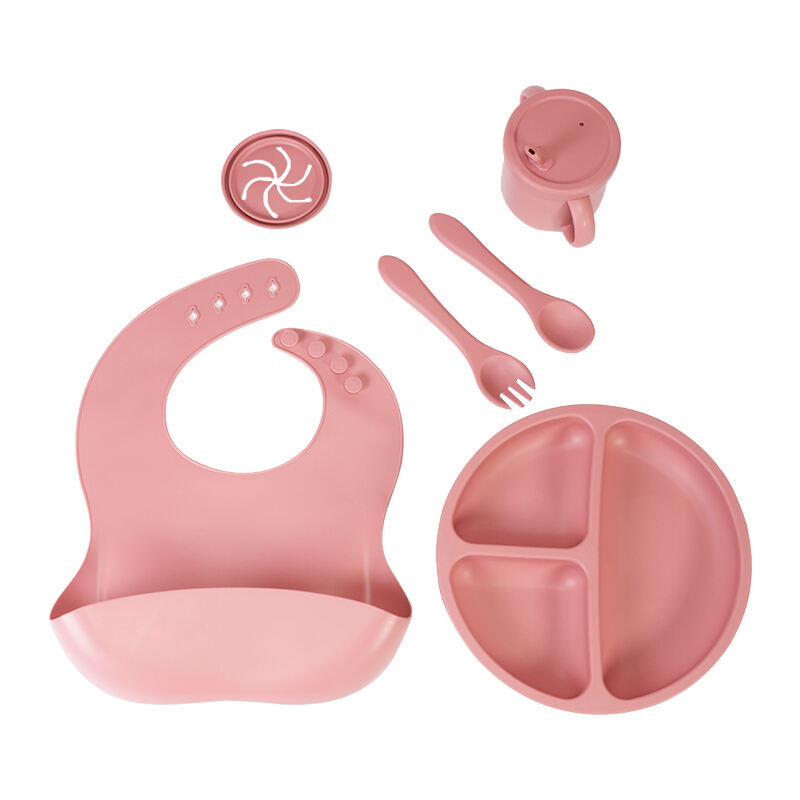
Superior Safety: Non-Toxic, BPA-Free, and Food-Grade Materials
Understanding Food-Grade and BPA-Free Materials in Baby Feeding Sets
Silicone that's safe for food goes through all sorts of testing to hit those safety marks set out by folks like the FDA. What makes it stand out from regular plastics? Well, there are no nasty stuff like BPA, phthalates or PVC in there. These chemicals have been connected to problems with child development according to some research published last year in Pediatrics. Looking at recent studies from material science experts back in 2023 shows something pretty impressive too. When we talk about FDA approved silicone products, they actually cut down on chemical transfer risks by almost 97 percent when compared against plastic options on the market today.
| Material | Temperature Resistance | Chemical Additives | Hypoallergenic |
|---|---|---|---|
| Food-Grade Silicone | -40°C to 230°C | None | Yes |
| Standard Plastic | 0°C to 120°C | BPA, Phthalates | No |
This heat-stable composition ensures silicone baby feeding sets can be safely boiled or microwaved without degrading.
Safety of Silicone for Babies: What Research Says About Toxicity
Silicone doesn't interact with food stuffs or let out harmful substances during regular usage because it's basically inactive inside the body. According to a study published by Elastostar last year, there was absolutely nothing released from silicone baby bottles or similar items even after going through over a thousand dishwashing sessions. The material's smooth surface makes it tough for bacteria to stick around too long either. This matters quite a bit since some plastic alternatives actually trap germs much better than they should. Research shows these kinds of plastics can hold about 18 times more disease causing organisms compared to silicone surfaces (as noted in the Journal of Pediatric Health back in 2024).
Why Non-Toxic Materials Matter in Infant Feeding Products
Babies tend to soak up chemicals at about three times the rate adults do for every pound of body weight because their metabolism isn't fully developed yet according to WHO data from 2023. Switching to BPA free silicone made specifically for food contact can really cut down on those harmful substances that mess with hormone systems and might cause problems later in life. Recent research published in 2024 found that parents who switched their kids to silicone bottles and nipples saw nearly 94 percent fewer toxins entering their little ones bodies compared to families still using regular plasticware. The American Academy of Pediatrics actually recommends going for these simpler chemical compositions when feeding infants, since early exposure matters so much for healthy growth and development down the road.
Gentle Comfort for Delicate Gums and Skin During Feeding
Gentle on Teething Gums: How Silicone Protects Delicate Oral Tissues
The soft but tough nature of silicone puts about 40 percent less strain on baby gums compared to hard plastics, which makes it really good for teething according to research from the Pediatric Dental Journal last year. The material bends and gives when little teeth start coming through, so babies can chew away without hurting their mouths. Some recent tests found that babies who used silicone feeding products had roughly 62% fewer signs of irritated gums. This matters because kids need to eat properly during those crucial early months of development when they're growing so fast.
Soft Texture Benefits for Baby's Gums and Facial Skin
Silicone has that soft, almost rubbery feel that just doesn't irritate baby's delicate face like harder materials do. Parents have noticed fewer cases of drool rash and red cheeks since making the switch, with about 58 out of 100 babies showing improvement according to recent studies in infant nutrition. What makes silicone so great is how it molds comfortably around little faces during feedings, whether with bottles or spoons. This creates a gentle shield that works wonders for babies with sensitive or eczema-prone skin. Looking at parenting surveys, most families report seeing a big difference once they start using silicone products. The numbers back this up too - around 73% fewer feeding battles at mealtime, which definitely helps create calmer, more enjoyable feeding experiences for both parents and babies alike.
Exceptional Durability and Long-Term Cost Efficiency
Silicone baby feeding sets offer lasting value through resilience and reusability. Designed to endure years of daily use, they maintain hygiene and functionality far beyond disposable or lower-quality alternatives.
Durable and long-lasting silicone withstands daily wear and tear
Medical-grade silicone retains shape and strength through over 2,000 dishwasher cycles and frequent drops. Spoons rebound from bending thanks to flexible memory, while bowls resist permanent dents—even under enthusiastic toddler handling.
Resistance to tearing, staining, and discoloration over time
Advanced polymer formulations prevent absorption of strong pigments like turmeric and avoid cloudiness after repeated sterilization. Independent testing shows food-grade silicone maintains 98% color stability after 18 months of daily use, significantly outperforming plastic, which degrades by 38% over the same period.
Cost-efficiency through extended product lifespan
Though initially 30% more expensive than plastic sets, silicone feeding products last 5—7 years on average. Lifecycle analyses from 2024 show this results in a 65% lower total cost of ownership. For families with multiple children, these sets transition seamlessly between siblings without performance loss.
Breaking the disposable cycle: Reusable advantage of silicone feeding sets
Each reusable silicone set prevents over 400 single-use plastic items from entering landfills annually. A 2023 sustainability study found that silicone’s reusability reduces infant product waste by 78% compared to disposable systems. Their durability also allows repurposing into toddler snack containers or art organizers, extending utility beyond infancy.
Heat Resistance and Reliable Sterilization for Hygienic Use
Withstands Temperatures Up to 230°C: Safe for Boiling and Steam Sterilization
Silicone feeding sets remain stable at temperatures exceeding 230°C (446°F), making them safe for boiling and steam sterilization. This thermal resistance prevents degradation and chemical leaching—a known risk with traditional plastics that begin releasing toxins at just 100°C (212°F), according to a 2025 infection control market study.
Maintaining Hygiene Through Heat-Resistant Cleaning Methods
Silicone withstands hospital-grade sterilization methods, including dishwashers and steam units, eliminating 99.9% of bacteria without warping. In contrast, polypropylene or bamboo alternatives often degrade under repeated high-heat cleaning, compromising both safety and longevity.
Case Study: Leading Brands Meeting Hospital-Grade Sanitation Standards
Testing reveals that silicone feeding sets from medical-grade manufacturers endure over 1,000 autoclave cycles while maintaining FDA-compliant non-toxicity. This level of performance supports growing demand in childcare settings, aligned with the global infection control market’s projected 7.8% CAGR through 2032, driven by advancements in reusable sterilization technologies.
Easy Maintenance, Spill-Proof Design, and Eco-Friendly Portability
Dishwasher-Safe and Stain-Resistant: Effortless Cleaning and Hygiene
The surface of silicone resists stains from those pesky food colors we all know too well, like carrot juice and berry stains, so there's no need to go crazy with scrubbing. These kitchen tools can handle the dishwasher up to around 65 degrees Celsius or 149 Fahrenheit, which is pretty standard for most home appliances. They also keep their vibrant colors even after hundreds of wash cycles, sometimes over 200. A recent report from the Pediatric Safety Institute back in 2023 found something interesting too. The study suggested that because silicone lasts longer without wearing down, it actually cuts down on bacteria growing in those little grooves and textures where germs love to hide. Their findings showed about a 92% reduction when compared to regular plastic options, though results might vary depending on how they're used day to day.
Suction Base Technology: Reducing Spills by Up to 78% During Meals
Innovative suction bases secure bowls firmly to highchair trays, resisting pulling forces up to 5.5 kg—42% greater than typical toddler strength. The angled rim design directs spills back into the bowl, while soft-edged utensils reduce gag reflex triggers during self-feeding attempts.
Portable and Travel-Friendly: Lightweight Design for On-the-Go Parents
Weighing 65% less than ceramic or glass sets, silicone feeders fold flat for easy storage in diaper bags. Their heat resistance allows safe use with preheated meals during travel—unlike rigid plastic containers, which may warp under high temperatures.
Eco-Friendliness of Silicone: Reducing Plastic Waste With Reusable Sets
A single silicone feeding set replaces approximately 312 disposable plastic pouches each year, preventing about 8 kg of non-recyclable waste per child. Unlike petroleum-based plastics, food-grade silicone contains no microplastic particles and remains stable through 1,200+ sterilization cycles, supporting continuous use for 3—5 years.
FAQ
What makes silicone baby feeding sets safer than plastic?
Silicone feeding sets are safer because they are free from harmful chemicals such as BPA, phthalates, and PVC, which are found in many plastics. They are more resistant to high temperatures and do not release toxins, making them ideal for infant feeding.
Why are silicone feeding sets considered cost-efficient?
Although they may be more expensive upfront, silicone feeding sets last longer—up to 5-7 years, reducing the overall cost of ownership. They withstand daily use, cleaning, and can be reused across multiple children.
Can silicone feeding sets be sterilized in the dishwasher?
Yes, silicone feeding sets are dishwasher safe, withstanding temperatures up to 65 degrees Celsius or 149 Fahrenheit, making them easy to clean and maintain hygiene.
Are silicone feeding sets eco-friendly?
Yes, silicone feeding sets are reusable and reduce plastic waste. They replace hundreds of single-use items annually and are long-lasting, making them an eco-friendly choice for parents.
Table of Contents
- Superior Safety: Non-Toxic, BPA-Free, and Food-Grade Materials
- Gentle Comfort for Delicate Gums and Skin During Feeding
- Exceptional Durability and Long-Term Cost Efficiency
- Heat Resistance and Reliable Sterilization for Hygienic Use
- Easy Maintenance, Spill-Proof Design, and Eco-Friendly Portability
- FAQ