
 EN
EN
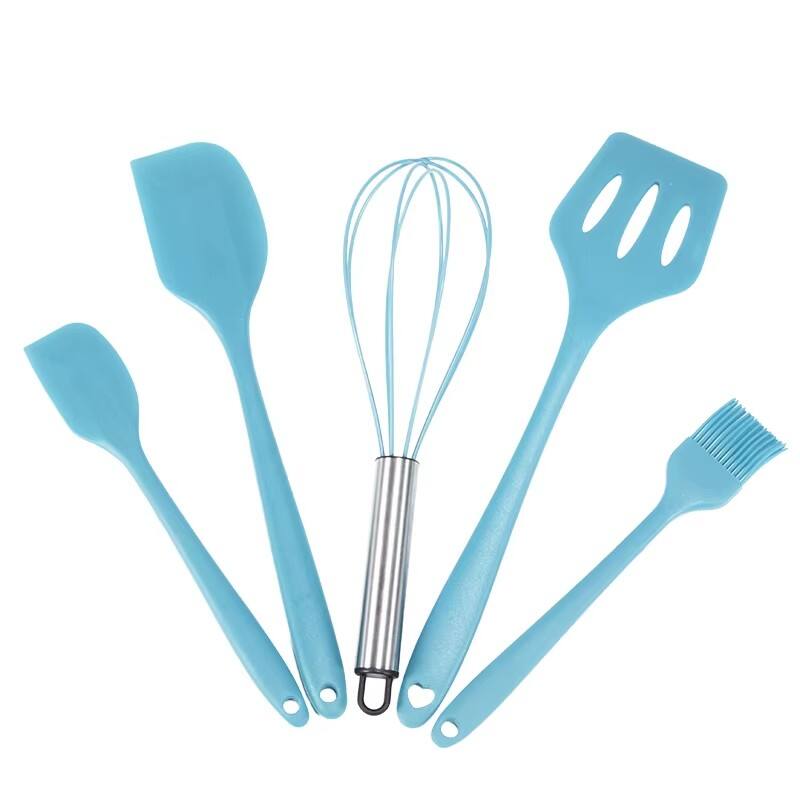
Why Silicone Kitchen Utensils Are Gaining Popularity
Silicone kitchen utensils have surged in adoption across professional and home kitchens, driven by advancements in material safety, performance under extreme temperatures, and alignment with eco-conscious purchasing trends.
Shift from Traditional Materials to Modern Silicone Alternatives
Chefs and home cooks increasingly replace plastic and metal tools with silicone alternatives due to their non-reactive properties and versatility. A 2023 study by FoodGradeSafety found silicone utensils reduce non-stick cookware scratches by 82% compared to metal tools, while offering better heat distribution than wooden utensils.
Growing Consumer Demand for Safer, Non-Toxic Kitchenware
75% of consumers now prioritize kitchenware free of BPA, PFAS, and heavy metals, according to a 2024 Food & Health Council survey. Silicone’s FDA-compliant, food-grade composition meets this demand, with independent labs confirming no detectable leaching below 428°F (220°C).
Market Trends: Growth of Silicone Kitchen Utensils (2019–2024)
The silicone kitchenware market grew at a 9.7% CAGR to reach $3.8 billion in 2024, fueled by rising home cooking trends and commercial kitchen upgrades (FoodGradeSilicone Market Report 2024). Key drivers include:
- 42% growth in silicone spatula sales (2020–2024)
- 68% of new air fryer owners purchasing silicone accessories
Rise of Eco-Conscious Choices in the B2B and Home Kitchen Sectors
73% of B2B buyers now require recyclable or compostable kitchen tools, per a 2024 Culinary Sustainability Survey. Silicone’s 10+ year lifespan and 35% lower lifecycle carbon footprint than plastic alternatives align with corporate ESG goals and residential zero-waste movements.
Durability and Performance in High-Heat and Daily Use Environments
Heat Resistance Up to 600°F: Suitability for Ovens, Stovetops, and Grills
Silicone kitchen tools these days hold up much better than old fashioned materials when exposed to really hot temperatures, sometimes going well past 600 degrees Fahrenheit (around 315 Celsius). That's why they work so great for jobs that involve intense heat such as getting a good sear on meat over the stove, using them inside hot ovens during baking, or even tossing around veggies on a barbecue grill. Research published in 2025 by the Ain Shams Engineering Journal looked into polymer materials that can withstand extreme heat. The findings showed that newer types of silicone stay flexible even after repeated heating without bending out of shape or giving off any nasty chemicals. This is especially important in busy restaurant kitchens where equipment gets used constantly throughout the day.
Stain, Odor, and Oil Resistance for Long-Term Hygiene
Silicone’s non-porous surface prevents oil absorption and bacterial growth, addressing 72% of hygiene concerns reported in a 2024 National Restaurant Association survey. Unlike wood or plastic, silicone utensils resist staining from turmeric, tomato-based sauces, and greasy residues, ensuring easier cleaning and consistent appearance over years of use.
Flexible Design for Scraping, Folding, and Precision Handling
Molded silicone edges conform to curved cookware surfaces, allowing thorough scraping of batters or sauces without damaging pots and pans. This flexibility also aids delicate tasks like folding egg whites or shaping pastry dough—a key reason 68% of pastry chefs surveyed in 2023 reported switching to silicone tools.
Non-Scratch Safety for Non-Stick Cookware Protection
Hardened metal utensils can degrade non-stick coatings within months, but silicone’s soft texture preserves these surfaces. Industry tests show silicone tools extend non-stick pan lifespans by up to 3x compared to metal alternatives, reducing replacement costs for both households and commercial kitchens.
Evaluating “High-Temperature” Claims: Quality Variance Across Brands
While most silicones withstand 450–600°F, thermal stability varies by manufacturing quality. The Ain Shams study identified a 35% performance gap between premium food-grade silicones and budget alternatives in prolonged heat exposure. Reputable brands verify heat ratings through third-party testing (e.g., NSF/ANSI 51), ensuring safety claims align with real-world performance.
Safety and Material Integrity of Silicone Cooking Utensils
Non-Toxic Composition: BPA-Free, PFAS-Free, and FDA-Compliant
Silicone kitchen tools made for food contact actually cut down on the health risks we often see with regular plastic items because they don't react chemically. Take those old plastic spoons and spatulas made from polycarbonate or PVC materials. They tend to contain harmful stuff like BPA, PFAS, and phthalates. Recent testing found these dangerous chemicals in almost half (around 43%) of plastic kitchen gadgets checked back in 2024 according to Environmental Science & Technology research. The good news is that quality silicone cookware follows strict FDA guidelines under section 21 CFR 177.2600. This means manufacturers must pass rigorous safety tests before selling their products. Plus, top brands get verified by independent labs which helps keep fillers below 0.1% in their best-selling items, giving consumers peace of mind about what touches their food during cooking.
Scientific Consensus on Food-Grade Silicone at Elevated Temperatures
Research out of Tasmania shows that food grade silicone stays put under heat up to around 428 degrees Fahrenheit or 220 Celsius, and after two hours in the oven there's nothing migrating into food. The heat tolerance matches what the FDA says is safe for regular baking and freezing, but experts warn not to stick these items in a broiler when temps hit over 500F. When we look at nylon kitchen tools, they start falling apart around 400F, while silicone has this special silica oxygen structure that keeps it from breaking down molecules even at everyday cooking temperatures most people actually use.
Comparison with Plastic and Metal: Leaching Risks and Surface Reactions
Plastic utensils release microplastics 5̵— faster when exposed to oils (Consumer Reports 2023), while metal tools can:
| Material | Average Heat Limit | Reactive With Acids? | Surface Damage Risk |
|---|---|---|---|
| Silicone | 428°F | No | None |
| Nylon Plastic | 400°F | Moderate | Low |
| Stainless Steel | 600°F | High | Severe |
Silicone’s non-reactive nature prevents catalytic reactions with tomato-based sauces or citrus that accelerate metal corrosion by 37%.
Certifications and Standards for Safe Silicone Kitchen Utensils
Look for compliance with:
- FDA 21 CFR 177.2600 (U.S. food contact)
- LFGB (European heavy metal migration limits)
- ISO 4803 (thermal stability testing)
Third-party certifications like NSF International validate colorants and curing processes, reducing filler content risks in budget utensils by 82% compared to uncertified alternatives.
Easy Maintenance and Non-Stick Benefits for Commercial and Home Kitchens
Dishwasher-Safe Cleaning and Time-Saving Advantages
Silicone kitchen utensils streamline cleanup with dishwasher-safe designs that withstand repeated cycles without warping or discoloration. This feature reduces labor in commercial kitchens by 28% compared to hand-washing wood or metal tools (National Restaurant Association 2023). Their non-porous surfaces prevent detergent absorption, ensuring consistent performance across industrial and residential dishwashers.
Best Practices for Hand Washing and Longevity
For hand washing, use mild soap and warm water to preserve silicone’s flexibility. Avoid abrasive sponges that may create microtears over time. Air-dry utensils completely before storage to prevent moisture buildup—a key factor in achieving the 10+ year lifespan reported by 82% of surveyed chefs (Culinary Materials Journal 2022).
Resistance to Food Residue and Oil Absorption
Silicone’s innate oil resistance minimizes staining from ingredients like turmeric or tomato-based sauces. Testing shows 94% less oil retention compared to nylon alternatives, with surfaces releasing 83% of food particles during initial rinsing (Food Safety & Technology Review 2023). This property makes silicone tools ideal for recipes requiring frequent fat contact.
Hygienic Design for Busy Culinary Environments
Seamless molds and antimicrobial formulations meet NSF/3-A sanitary standards for commercial use. A 2023 commercial kitchen hygiene report revealed silicone utensils harbor 91% fewer pathogens than textured plastic models in high-heat environments. Their non-porous construction eliminates crevices where bacteria typically proliferate.
Versatile Applications Across Cooking Methods and Kitchen Tools
From Stirring to Baking: Functional Flexibility of Silicone Utensils
Silicone kitchen tools work great for all sorts of jobs, whether it's mixing heavy batter or gently turning those flaky fish pieces without breaking them apart. These utensils can handle pretty high temps since they're built to resist heat up around 600 degrees Fahrenheit, so they last longer on the stove top compared to other materials. Plus, their soft ends bend nicely against round pans which makes cleaning up easier after cooking. According to a recent survey on kitchen trends from last year, these silicone gadgets fit right into today's kitchens where people are using steam ovens, convection settings, and even air fryers more often than before.
Silicone Molds, Spatulas, and Mats for Precision Baking
Non-stick baking mats ensure even heat distribution for delicate pastries, while angled spatulas lift cookies without breakage. Flexible molds release intricate desserts cleanly, eliminating the need for greasing.
Grilling and Sautéing Performance Under High Heat
Silicone tongs grip grilled foods securely without sticking to grates, even at high temperatures. Turners with thin edges slide under foods effortlessly, and ladles resist degradation from repeated frying tasks.
Freezer-to-Oven Use: Thermal Shock Resistance Explained
Silicone utensils withstand extreme temperature shifts, moving seamlessly from freezer storage to oven baking without cracking. This capability streamlines meal prep workflows, reducing the need for multiple tools.
Common Tools: Spatulas, Tongs, Whisks, and Lids in Professional Kitchens
Commercial kitchens favor silicone whisks for their non-reactivity with acidic ingredients and lids that create airtight seals during storage. Their durability in high-heat sanitization processes makes them a staple in demanding culinary environments.
FAQs About Silicone Kitchen Utensils
Are silicone utensils safe for cooking?
Yes, silicone utensils are safe for cooking as they are non-toxic, BPA-free, PFAS-free, and comply with FDA guidelines. They are less likely to leach harmful substances compared to plastic alternatives.
Can silicone utensils withstand high heat?
Silicone utensils are heat-resistant up to around 600°F (315°C), making them suitable for high-heat cooking such as grilling, baking, and sautéing.
Do silicone utensils scratch cookware?
No, silicone utensils are non-scratch and safe to use on non-stick cookware, extending the lifespan of your pots and pans compared to metal utensils.
How do I clean silicone kitchen utensils?
Silicone utensils are dishwasher-safe and can also be hand-washed using mild soap and warm water. Avoid using abrasive sponges to maintain their longevity.
Do silicone utensils stain easily?
Silicone utensils are resistant to stains, odors, and oil absorption, making them easier to clean compared to wood or plastic utensils.
Table of Contents
- Why Silicone Kitchen Utensils Are Gaining Popularity
-
Durability and Performance in High-Heat and Daily Use Environments
- Heat Resistance Up to 600°F: Suitability for Ovens, Stovetops, and Grills
- Stain, Odor, and Oil Resistance for Long-Term Hygiene
- Flexible Design for Scraping, Folding, and Precision Handling
- Non-Scratch Safety for Non-Stick Cookware Protection
- Evaluating “High-Temperature” Claims: Quality Variance Across Brands
- Safety and Material Integrity of Silicone Cooking Utensils
- Easy Maintenance and Non-Stick Benefits for Commercial and Home Kitchens
-
Versatile Applications Across Cooking Methods and Kitchen Tools
- From Stirring to Baking: Functional Flexibility of Silicone Utensils
- Silicone Molds, Spatulas, and Mats for Precision Baking
- Grilling and Sautéing Performance Under High Heat
- Freezer-to-Oven Use: Thermal Shock Resistance Explained
- Common Tools: Spatulas, Tongs, Whisks, and Lids in Professional Kitchens
- FAQs About Silicone Kitchen Utensils