
 EN
EN
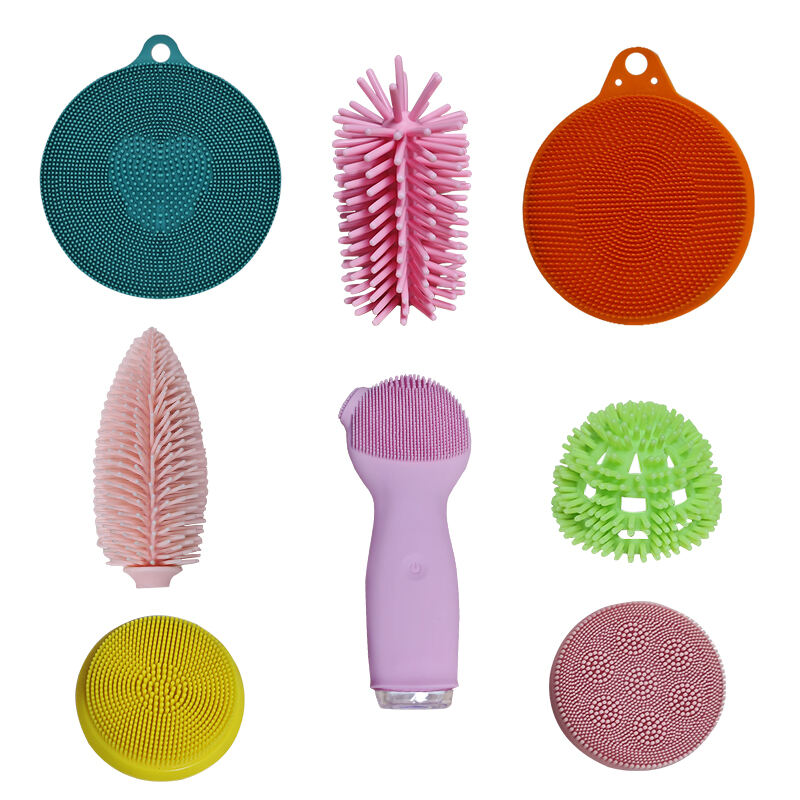
Why Eco-Friendly Silicone Is the Future of Sustainable Pet Care
Growing Consumer Demand for Sustainable and Responsible Pet Care Solutions
According to Nielsen data from 2022, around two thirds of pet owners care about sustainability when they buy stuff for their pets. We're seeing real changes in what people want these days, especially towards those eco friendly silicone options. The numbers back this up too many folks are ready to spend extra cash on stuff that lasts longer without harmful chemicals and actually helps cut down on waste. What makes silicone so popular? It works great for all sorts of things like feeding dishes, pet grooming gadgets, even those fun interactive toys animals love to play with over and over again.
Silicone as a Durable, Reusable, and Eco-Conscious Alternative to Plastic
Regular plastics tend to break down into those tiny microplastic particles within just a few months, but food grade silicone lasts much longer. With good maintenance, these silicone items can stay in shape for around 10 years before needing replacement. Some tests in the industry found that switching to silicone pet products cuts down on plastic usage by about 85% after three years. That matters because every year, landfills get hit with roughly 12 million tons of plastic waste from pets alone. Another big plus is how well silicone handles extreme heat and cold. It works great even when temperatures drop below freezing or climb above oven levels, which is why many people find it so useful for sterilizing toys and keeping them outdoors without worrying about damage.
Alignment with Zero-Plastic Initiatives in the Pet Care Industry
According to data from the Global Pet Sustainability Coalition, roughly 4 out of 10 pet product companies have started using silicone materials as part of their plans to phase out plastic packaging. This aligns with the UN Environment Programme's ambitious target to get rid of all single-use plastics in consumer products by next year. What makes silicone stand out is how it can actually be recycled through special collection programs, which has made it a go-to material for businesses trying to build circular economies. Many corporations are now investing serious money into setting up better recycling systems specifically for these materials, recognizing that sustainability isn't just good for the planet but also increasingly demanded by conscious consumers looking for eco-friendly alternatives.
Durability and Waste Reduction: How Reusable Silicone Lowers Environmental Impact
Long Lifespan of Silicone Pet Products Reduces Single-Use Waste
Silicone’s inherent durability makes it a game-changer for reducing waste in pet care. High-quality silicone products withstand years of use, unlike plastic accessories that crack or degrade within months. This longevity directly cuts single-use plastic consumption—critical as landfills receive 18 billion pounds of plastic pet waste annually (EPA, 2023).
Comparison of Silicone Versus Disposable Plastics in Pet Care
| Property | Silicone | Traditional Plastics |
|---|---|---|
| Average Lifespan | 5–10 years | 6–12 months |
| Recyclability | Specialized facilities | Rarely recycled |
| Toxicity Risks | Non-toxic | Contains phthalates/BPA |
| Carbon Footprint | 40% lower* | Higher production emissions |
| *Based on 2023 comparative lifecycle assessments |
Case Study: Silicone Chew Toys vs. Plastic Alternatives Over a 2-Year Lifecycle
A 2023 analysis found silicone chew toys last 8x longer than plastic equivalents. Households using silicone replaced items just once every 24 months, avoiding an average of 7 plastic toys per pet each year. This supports research highlighting silicone’s waste-reduction potential, especially when paired with take-back recycling initiatives.
How Brands Are Reducing Footprint Through Silicone Product Lines
Forward-thinking manufacturers now design 100% food-grade silicone products—collapsible bowls, dental chews, and grooming tools—that replace over 10 disposable items per pet annually. One leading brand eliminated 27 tons of plastic waste in 2023 alone, demonstrating scalable impact across the industry.
Health and Safety Benefits of Non-Toxic, Food-Grade Silicone for Pets
Non-Toxic Composition of Food-Grade Silicone and Its Safety for Pets
Silicone that meets food standards gets rid of those pesky chemicals we find in regular plastics like BPA, PVC, and phthalates. The FDA actually gives it the green light for touching food stuffs, and what's really cool is how stable it stays across temperatures ranging all the way from minus 40 degrees Fahrenheit right up to around 450 degrees. Some recent research back in 2023 looked at pet safety specifically. They tested silicone bowls under conditions that speed up normal wear and tear, and guess what? No toxins came out of them. That makes silicone bowls much better for long term use compared to most plastic options on the market today, probably something like 89% of them according to the study results.
Reducing Long-Term Health Risks With Chemical-Free Pet Products
The absence of endocrine disruptors in silicone helps prevent cumulative health issues in pets exposed to plastic accessories. Its non-porous surface reduces microbial growth by 73% (Veterinary Microbiology Journal 2023), minimizing risks of chronic infections and digestive problems linked to contaminated products.
Safety Comparison: Silicone vs. Conventional Plastics in Pet Supplies
| Safety Factor | Silicone | Plastic |
|---|---|---|
| Heat Resistance | No chemical changes at 400°F | Leaches toxins above 150°F |
| Bacterial Adhesion | 88% less biofilm formation | Porous texture traps microbes |
| Material Breakdown | No microplastic generation | Sheds particles within 6 mo. |
| Allergen Potential | Hypoallergenic | 34% contain latex/irritants |
With 92% of veterinarians recommending silicone over plastic for allergy-prone pets, it has become the preferred material for chew toys and feeding mats.
Practical Advantages: Hygiene, Portability, and Design Innovation
Easy-to-Clean Surfaces and Hygienic Properties of Silicone
The smooth, non porous nature of silicone helps prevent bacteria from sticking around, which is why many pet owners prefer it for feeding bowls and grooming equipment. Regular plastic tends to hold onto food particles in those little cracks and corners, but silicone stands up to boiling water or going through the dishwasher without getting warped or damaged. Recent research published last year showed something pretty interesting too. The study found that silicone containers had about 62 percent less microbial growth than regular plastic ones. This makes a real difference for animals with sensitive stomachs or compromised immune systems where cleanliness matters most.
Innovative Uses: Treat Mats, Slow Feeders, and Puzzle Toys Made from Silicone
Dog product makers have started using silicone because it bends and stretches so well, allowing them to design things that actually help pets mentally. Those rough textured mats where treats get hidden? They mimic what happens when wild dogs dig around for food, which helps calm nervous pups down quite a bit. The slow feeder bowls crafted from safe silicone material not only last forever but also force dogs to eat at a slower pace, better for their tummies. And don't forget those clever toys with parts that pop off - they keep brains busy for hours. What's interesting is how these green silicone items manage to stay tough through all the chewing while still delivering real psychological perks to our furry friends.
Collapsible Travel Bowls and Other Portable Silicone Pet Accessories
The way silicone collapses makes it great for traveling around. These lightweight bowls can be squished down to about an inch thick, so they fit right into backpacks when going on hikes or road trips. What's really nice is that unlike those single use plastic plates everyone throws away, these ones can take some serious temperature extremes. They work just fine in freezers at minus 40 degrees Fahrenheit or heated up to almost 450 degrees in the microwave. That means people can cool their snacks while camping or warm up leftovers without worrying about melting anything. Plus, using them helps cut down on waste since they last forever instead of getting tossed after one meal.
Environmental Truth Check: Is Silicone Truly Eco-Friendly?
Lifecycle Analysis: Silicone vs. Plastic from Production to Disposal
Making silicone starts with sand and hydrocarbons, which takes quite a bit more energy compared to regular plastics. But there's something interesting about how long these products actually last. According to some research from the Material Sustainability Index in 2023, those silicone pet bowls we see everywhere can stick around for anywhere between seven to ten years. That's roughly ten times what most plastic bowls manage before they start looking worse for wear. The numbers tell another story too. GreenMatch reported back in 2024 that silicone production creates about 34 percent more carbon dioxide per kilogram than polypropylene does. Still worth considering though because unlike plastic alternatives, silicone doesn't shed those tiny plastic particles into our environment while being used, making it much better for keeping pollution levels down over time.
Recyclability and End-of-Life Options for Silicone Pet Products
Silicone is technically 100% recyclable but most cities just don't have the facilities to handle it properly. Less than 15% of local recycling plants actually accept silicone because they need special equipment to process it. So what are companies doing about this? Many are starting their own take back programs these days. Some will collect old silicone products and turn them into something completely different. Take one company for instance, they've figured out how to make those worn out silicone chew toys into really useful non slip mats for animal shelters. Pretty cool right? This kind of approach helps cut down on waste going to landfills while keeping materials in circulation longer.
Debunking the Myth: Is Silicone Biodegradable?
Silicone doesn't decompose and can stick around in landfills for hundreds of years. But there's a silver lining here since its durability stops it from breaking apart into dangerous microplastics. According to research published by the EU Environment Agency in 2024, silicone actually creates about 92 percent fewer problems for water life compared to broken down plastic waste. Sure, it won't disappear on its own, but what makes silicone stand out is how long lasting it really is. Some products made from silicone can survive well over 500 washing sessions without showing signs of wear. For people looking to cut down on trash while still getting good value from their purchases, silicone remains a sensible choice even with its environmental drawbacks.
Learn more about silicone sustainability in lifecycle assessments.
FAQ
What makes silicone eco-friendly for pet products?
Silicone is eco-friendly because it is durable, reusable, and reduces plastic waste. It withstands wear and tear, reducing the need for frequent replacements, and can be recycled.
Is silicone safe for pets?
Yes, food-grade silicone is non-toxic and free from harmful chemicals like BPA, PVC, and phthalates, making it safe for pets and effective at maintaining hygiene.
Can silicone pet products be recycled?
Silicone is technically recyclable, but specialized facilities are required for processing. Some companies have started take-back programs to recycle silicone into new products.
Does silicone have a smaller carbon footprint than plastic?
Silicone has a lower overall carbon footprint since it lasts longer and does not produce microplastics, though its production may initially require more energy than traditional plastics.
Is silicone biodegradable?
No, silicone is not biodegradable. However, its durability prevents it from breaking down into microplastics, reducing its environmental impact over time.
Table of Contents
- Why Eco-Friendly Silicone Is the Future of Sustainable Pet Care
- Durability and Waste Reduction: How Reusable Silicone Lowers Environmental Impact
- Health and Safety Benefits of Non-Toxic, Food-Grade Silicone for Pets
- Practical Advantages: Hygiene, Portability, and Design Innovation
- Environmental Truth Check: Is Silicone Truly Eco-Friendly?
- FAQ