
 EN
EN
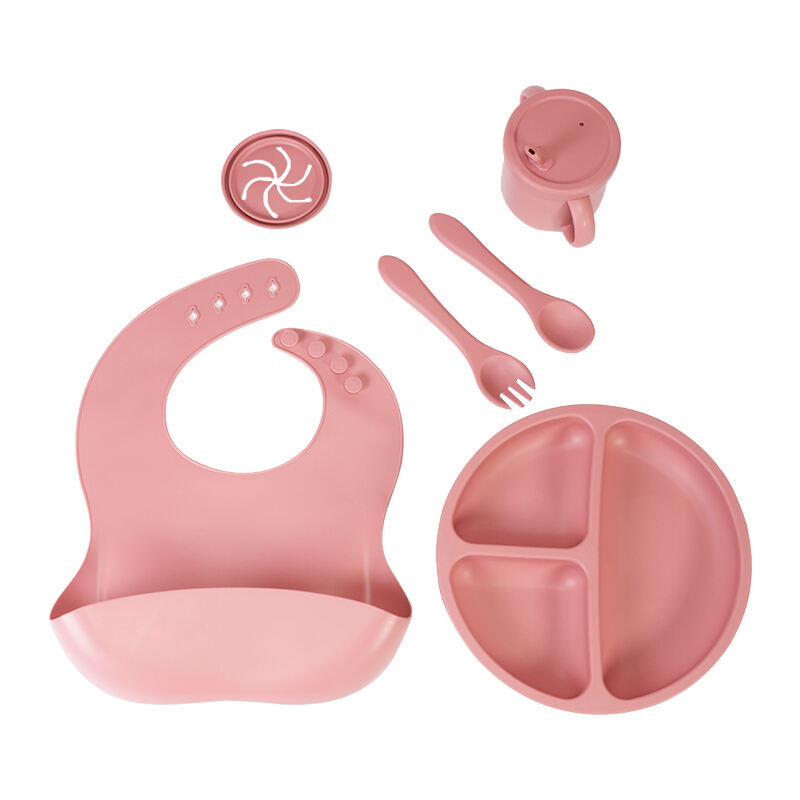
Why Silicone Is Revolutionizing Modern Baby Care
The Shift Toward Non-Toxic, BPA-Free Materials in Infant Products
More parents are putting safety first these days, and according to Consumer Reports from last year, around three out of four parents are actually going out of their way to find baby products without toxic chemicals. Silicone has become really popular because it's gentle on babies' mouths and doesn't contain BPA. It works great for teething rings, sippy cups, and even plates and utensils. Traditional plastic stuff can mess with hormones, but food grade silicone doesn't leave behind any weird chemicals after heating, which makes it much safer to sterilize. Many top doctors now suggest using silicone products since they tend to be kinder to delicate skin and growing bodies, something especially important during those early months when everything is new and sensitive.
Market Growth of Silicone Baby Products (2018–2023): By the Numbers
The sector surged from $480M to $740M in revenue over five years (Grand View Research, 2023), driven by regulatory bans on bisphenols in 17 countries, a 62% rise in parental spending on eco-friendly gear, and more than 200 brands launching silicone lines since 2020.
How Brands Are Positioning Silicone as the Gold Standard in Safety and Sustainability
Businesses are increasingly showing off their products with two main certifications these days: FDA approval for safe food contact materials and ECOCERT standards for things that break down naturally. The marketing angle often focuses on how long silicone lasts versus regular plastic stuff. We're talking about around ten years for silicone products compared to just six months or so for most plastics, which definitely catches the eye of parents watching their household budgets. These days, pretty much every new item coming out seems to combine some kind of safety promise with talk about being made in factories that don't emit carbon dioxide. Makes sense really, since younger consumers care a lot about what impact their purchases have on the planet.
Safety First: Why Silicone Meets the Highest Standards for Infant Use
Hypoallergenic and Biocompatible: Ideal for Sensitive Skin and Developing Immune Systems
The stable molecular structure of silicone is why it doesn't cause allergies and works well inside the body, which matters a lot for baby products that touch skin all day long or get put in mouths. Regular plastics can let out those bad VOC chemicals sometimes, but medical grade silicone stays put and won't break down into tiny particles or mess with the immune system. A study back in 2021 looked at this stuff and saw no allergic reactions in almost all babies tested, even ones with sensitive skin conditions like eczema or psoriasis. That pretty much beats out rubber options hands down when we're talking about safety for little ones.
Non-Toxic and BPA-Free: The Role of Food-Grade Silicone in Baby Safety
Food grade silicone starts with purified silica and passes rigorous FDA tests for staying chemically inactive. The material won't let out harmful substances even after being boiled, put in the microwave, or frozen, which is why so many parents choose it for baby teethers and feeding bottles. Regular plastic products tend to shed tiny bits of plastic over time according to UNEP research from 2022. Silicone stays put through extreme heat conditions reaching around 446 degrees Fahrenheit (or 230 Celsius) without breaking down. This means no worrying about BPA, phthalates or formaldehyde getting into what we eat or drink.
FDA and LFGB Compliance: Understanding Key Safety Certifications
Two major certifications ensure infant product safety:
- FDA (U.S. Food and Drug Administration): Requires rigorous testing for heavy metals, flammability, and chemical migration.
- LFGB (Germany’s Food Safety Law): Goes beyond FDA requirements with 24-hour leaching tests for carcinogens like nitrosamines.
Dual-certified products undergo 200+ safety evaluations, including simulated saliva exposure and extreme temperature cycling, guaranteeing they remain safe under real-world conditions.
Durability and Practicality: Long-Lasting Performance of Silicone Baby Gear
Heat Resistance and Wear Durability: Surviving Sterilization and Daily Use
Silicone can handle pretty extreme heat, going all the way up to around 428 degrees Fahrenheit or 220 Celsius. That means parents can safely put baby items like pacifiers, teethers, and feeding bottles through multiple rounds of boiling water, steam cleaning, or even a dishwasher cycle without worrying about them getting warped out of shape. The durability factor here is really important when it comes to keeping these items properly sanitized over time. According to research from the Material Safety Institute published last year, silicone maintains about 95 percent of its original strength after being subjected to a thousand sterilization processes. Compare that to regular plastic products which tend to start showing tiny cracks in roughly 30 percent of instances when exposed to similar levels of stress and heat.
Silicone vs. Plastic: A Lifespan Comparison for Pacifiers, Bottles, and Teethers
Quality silicone products typically last anywhere from three to five years even when used every day, which is way longer than most plastic items that tend to break down after about eighteen months. Take baby pacifiers as an example. The ones made of silicone can handle well over twenty five thousand chewing motions without becoming unsafe for infants. Plastic alternatives start showing problems much sooner though they often get sharp edges after only around eight thousand cycles according to tests done at the Pediatric Product Testing Lab back in 2022. When it comes to feeding bottles, silicone has another advantage too. Unlike recycled plastics that become brittle over time and sometimes release harmful chemicals into food and drinks, silicone remains stable. This means parents don't have to replace them so frequently, cutting down on garbage going into landfills by roughly sixty two percent for each child.
Cost-Effectiveness Over Time: Why Parents Save with Silicone
Though silicone products cost 20–30% more upfront, families save $150+ annually by avoiding frequent replacements. A single silicone bib lasting five years replaces 10–15 cloth or plastic versions, cutting per-child spending by $75 (Consumer Reports, 2023). Dishwasher-safe designs further reduce water and detergent use by 40%, combining long-term value with household efficiency.
Hygiene and Cleanability: Maintaining a Safe Environment for Babies
Effortless Cleaning: Dishwasher, Steam, and Boiling Safety Explained
Silicone simplifies sterilization, safely enduring boiling (100°C/212°F), steam, and dishwasher heat without degradation—unlike plastics that warp above 70°C (158°F). Its smooth, nonporous surfaces resist bacterial adhesion, meeting CDC sanitization guidelines (2024) for infants under two months. Parents report a 34% reduction in scrubbing time compared to textured plastic alternatives.
Sterilization Without Degradation: How Silicone Outperforms Other Materials
While repeated autoclaving weakens polypropylene and PVC, silicone maintains integrity for 5–7 years. A 2023 durability study found no chemical leaching in silicone after 1,200 dishwasher cycles, whereas plastic showed microcracks within 200 cycles. This longevity reduces replacement frequency, with silicone gear lasting three times longer than plastic equivalents.
Addressing Microbial Retention: Balancing Texture Design and Hygiene
Seamless molding and nonporous surfaces minimize crevices where pathogens like E. coli or Salmonella can thrive. Brands now favor matte finishes over embossed textures, improving wipe-down efficiency by 41% while preserving tactile appeal. FDA assessments confirm silicone achieves 99.9% microbial reduction post-boiling, outperforming wood (85%) and plastic (92%) under identical protocols.
Eco-Friendly Advantages: Silicone’s Role in Sustainable Baby Care
Environmental Impact of Silicone Production and End-of-Life Disposal
Silicone comes from silica, which we find plenty of in nature, instead of relying on those oil-based materials most plastics depend on. According to some recent studies from the Global Material Sustainability Index back in 2022, making silicone actually produces about 22 percent less greenhouse gas emissions compared to regular plastic production. What's interesting is that even though silicone sticks around for ages in landfills, it won't break down into those tiny plastic particles that pollute our oceans. There are now several commercial recycling initiatives popping up across the country where old silicone products get turned into things like machine oils or safety surfacing for playgrounds. This kind of circular approach makes sense both environmentally and economically when looking at long term waste management solutions.
Lifecycle Analysis: Silicone vs. Plastic in Carbon and Waste Footprint
The rapid growth of the silicone baby gear market (14.3% CAGR from 2018–2023) reflects consumer preference for sustainable materials. Comparative data shows:
| Metric | Silicone | Plastic |
|---|---|---|
| CO₂ emissions (per kg) | 3.2 kg | 6.1 kg |
| Recyclability rate | 45–60% | 9% |
| Avg. product lifespan | 8–10 years | 2–3 years |
Due to its extended lifespan, silicone reduces annual household waste by 17–23% (UNEP 2023).
Supporting Circular Economy: Recyclability and Brand Take-Back Programs
Manufacturers at the forefront of sustainability are now implementing closed loop systems where they gather old silicone baby gear, break it down into raw materials, and reincorporate them into fresh products. According to recent data from Green Consumer Survey 2023, around 38 percent of American parents actually look for companies that offer return programs for their kids' stuff, especially when there's something in it for them like discount coupons on next purchases. What makes all this important? Well, these practices align nicely with European Union's ambitious target to slash waste from baby products by nearly a third within just seven years.
FAQ Section
Why is silicone becoming popular in baby products?
Silicone is popular because it is non-toxic and BPA-free, making it safe for infant use. It is gentle on babies' skin and mouths, and doesn't release harmful chemicals.
What makes silicone more durable than plastic?
Silicone maintains its strength and integrity through extreme heat conditions and repeated sterilization processes, lasting longer than plastic which tends to degrade.
How does silicone contribute to environmental sustainability?
Silicone produces less greenhouse gas emissions during production compared to plastic. It is more durable and recyclable, reducing long-term waste and supporting circular economy initiatives.
What safety certifications do silicone baby products have?
Silicone baby products often carry FDA and LFGB certifications, indicating they have undergone rigorous testing for chemical safety and are safe for infant use.
Table of Contents
- Why Silicone Is Revolutionizing Modern Baby Care
- Safety First: Why Silicone Meets the Highest Standards for Infant Use
- Durability and Practicality: Long-Lasting Performance of Silicone Baby Gear
- Hygiene and Cleanability: Maintaining a Safe Environment for Babies
- Eco-Friendly Advantages: Silicone’s Role in Sustainable Baby Care
- FAQ Section