
 EN
EN
Why Silicone (VMQ) Excels in High-Temperature Sealing Applications
What Makes Custom Silicone O-Rings Ideal for Extreme Heat?
The special way silicone (VMQ) is built gives it amazing ability to handle heat without losing its flexibility. Most other rubber materials get stiff or break down when exposed to extreme temperatures, but silicone O-rings keep working properly even in really cold conditions down to around minus 60 degrees Celsius and all the way up to about 250 degrees. Some specially made versions can actually stand temperatures above 300 degrees too. What makes this possible is the strong silicon-oxygen chain in their molecular structure that doesn't easily oxidize under heat stress. This property makes silicone rings great choices for things like parts inside industrial baking equipment or aircraft components that go through many heating and cooling cycles during operation.
How Temperature Resilience Impacts Sealing Performance
Silicone O-rings resist compression set failure—a leading cause of leaks in high-temperature environments—by maintaining elasticity under thermal stress. After prolonged exposure to 200°C, they recover 85% of their original shape, outperforming nitrile (NBR) by 50% in thermal cycling tests. This ensures reliable sealing during rapid temperature fluctuations.
Silicone vs. Common O-Ring Materials in High-Temp Environments
| Material | Temperature Limit | Key Limitation | Typical Applications |
|---|---|---|---|
| Silicone (VMQ) | -60°C to 300°C | Low mechanical strength | Static seals, sterilizable equipment |
| Fluorocarbon (FKM) | -20°C to 230°C | Poor cold flexibility | Fuel systems, chemical seals |
| EPDM | -50°C to 150°C | Oil/swelling issues | HVAC, plumbing |
While FKM offers superior chemical resistance, silicone’s broader thermal range makes it the preferred option for extreme heat in non-corrosive environments.
Critical Material Properties of Custom Silicone O-Rings Under Thermal Stress
Temperature Resistance: Where Silicone Stands Among Elastomers
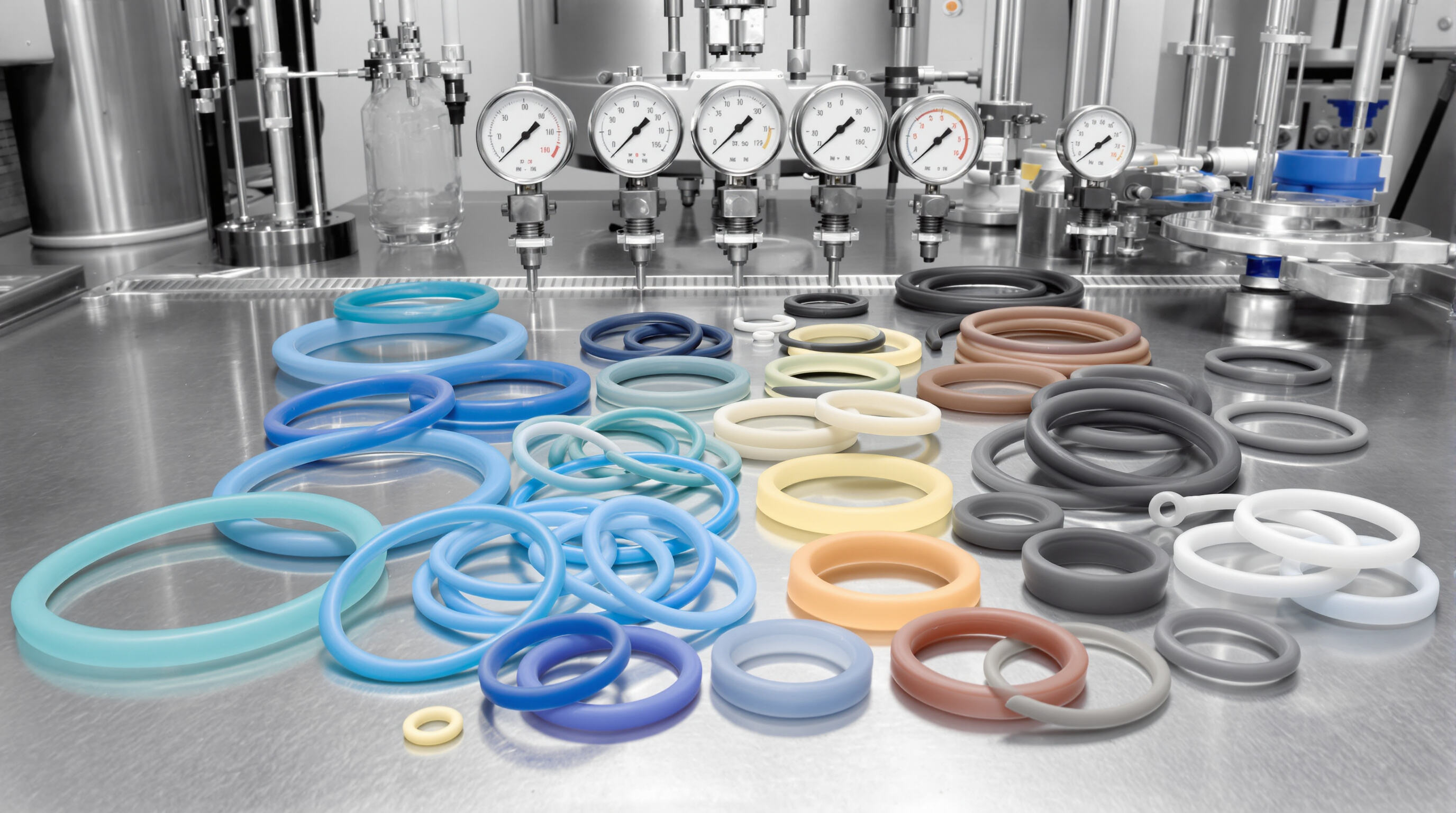
Silicone (VMQ) O-rings function reliably from -175°F to 450°F, outperforming nitrile (-40°F to 250°F) and fluorocarbon (-13°F to 400°F) in upper-temperature capability. This makes silicone ideal for aerospace engine components and industrial oven seals where sustained high heat is common.
Maintaining Elasticity and Sealing Integrity at Elevated Temperatures
After 1,000 hours at 400°F, silicone retains 92% of its original elasticity, whereas nitrile degrades by 50% under similar conditions. This resilience prevents brittleness and compression set, ensuring long-term performance in dynamic hydraulic seals.
Thermal Degradation and Service Life of Silicone (VMQ) O-Rings
Continuous exposure above 400°F increases degradation at a rate of 0.3% per hour (ASTM D2000-2023). However, advanced formulations with phenyl or vinyl modifications extend service life by up to 30% in cyclic thermal environments involving 200–500 heating and cooling cycles.
Balancing Flexibility and Stability in High-Temp Applications
Silicone achieves a compression set of ≤15% after 22 hours at 302°F, maintaining seal reliability under sustained stress. Its molecular stability resists chain scission while accommodating thermal expansion—offering a balance that materials like EPDM cannot sustain above 300°F.
Environmental and Operational Factors in Custom Silicone O-Ring Selection
Selecting Custom Silicone O-Rings requires evaluating environmental stressors and operational demands. Performance hinges on how well the material handles temperature extremes, chemical exposure, mechanical loads, and longevity requirements in real-world applications.
Matching Custom Silicone O-Rings to Application-Specific Demands
Each industry has distinct sealing challenges:
| Industry | Critical Requirements |
|---|---|
| Automotive | Oil/fuel resistance, 200°C+ operation, vibration tolerance |
| Aerospace | -54°C to 232°C cycling, ozone resistance, low outgassing |
| Medical | Autoclave sterilization (135°C steam), biocompatibility |
For example, automotive turbocharger systems require silicone O-rings that endure exhaust heat and repeated thermal cycling without losing sealing capability.
Resistance to UV, Ozone, and Thermal Cycling in Real-World Conditions
Silicone’s inherent molecular stability allows it to withstand 50+ ppm ozone (ASTM D1149) and over 10,000 thermal cycles in outdoor settings. In solar aging tests, it maintains more than 90% elasticity after five years—far surpassing natural rubber, which cracks within weeks under UV exposure.
When Silicone Falls Short: Limitations Despite High-Temp Ratings
Despite excellent thermal performance, silicone has key weaknesses:
- Swells 15–20% in hydrocarbon fuels like diesel
- Offers 50% lower tensile strength than fluorocarbons at 150°C
- Limited to pressures below 1,400 psi without reinforcement
These drawbacks make fluorosilicone blends a better choice for jet fuel systems requiring both thermal endurance and fuel resistance.
Real-World Applications of Custom Silicone O-Rings in Extreme Heat
Aerospace and Automotive: Demanding High-Temp Sealing Solutions
Silicone O-rings made to order play a really important role in both aerospace and automotive applications when temps go above 300 degrees Fahrenheit. These rings hold up well in places like turbocharger housings and engine hydraulic systems even when dealing with heat expansion and constant contact with oil. A major plane maker actually had no seal problems at all during 2000 straight hours of testing on jet engines with those VMQ silicone rings. That kind of track record shows just how dependable these seals can be in situations where pressure changes constantly and conditions get pretty intense.
Case Study: Industrial Oven Seals Using Custom Silicone O-Rings
A bakery equipment manufacturer cut maintenance costs by 40% after switching to custom silicone O-rings for ovens operating continuously at 450°F. Unlike fluorocarbon seals that hardened and cracked within weeks, silicone variants retained 95% compression set resistance after 18 months of thermal cycling—contributing to a 22% increase in production uptime.
Medical Devices and Sterilization: Performance Under Repeated Heat Cycles
In autoclave sterilization, custom silicone O-rings endure 1,200+ steam cycles at 275°F without degradation. Medical-grade silicone maintains 98% sealing efficiency after repeated 30-minute cycles, meeting FDA standards for reusable surgical instruments. This durability supports both patient safety and cost-effective reprocessing.
Customization and Advanced Formulations for Enhanced Thermal Performance
Tailoring Silicone O-Rings for Specific High-Temperature Ranges
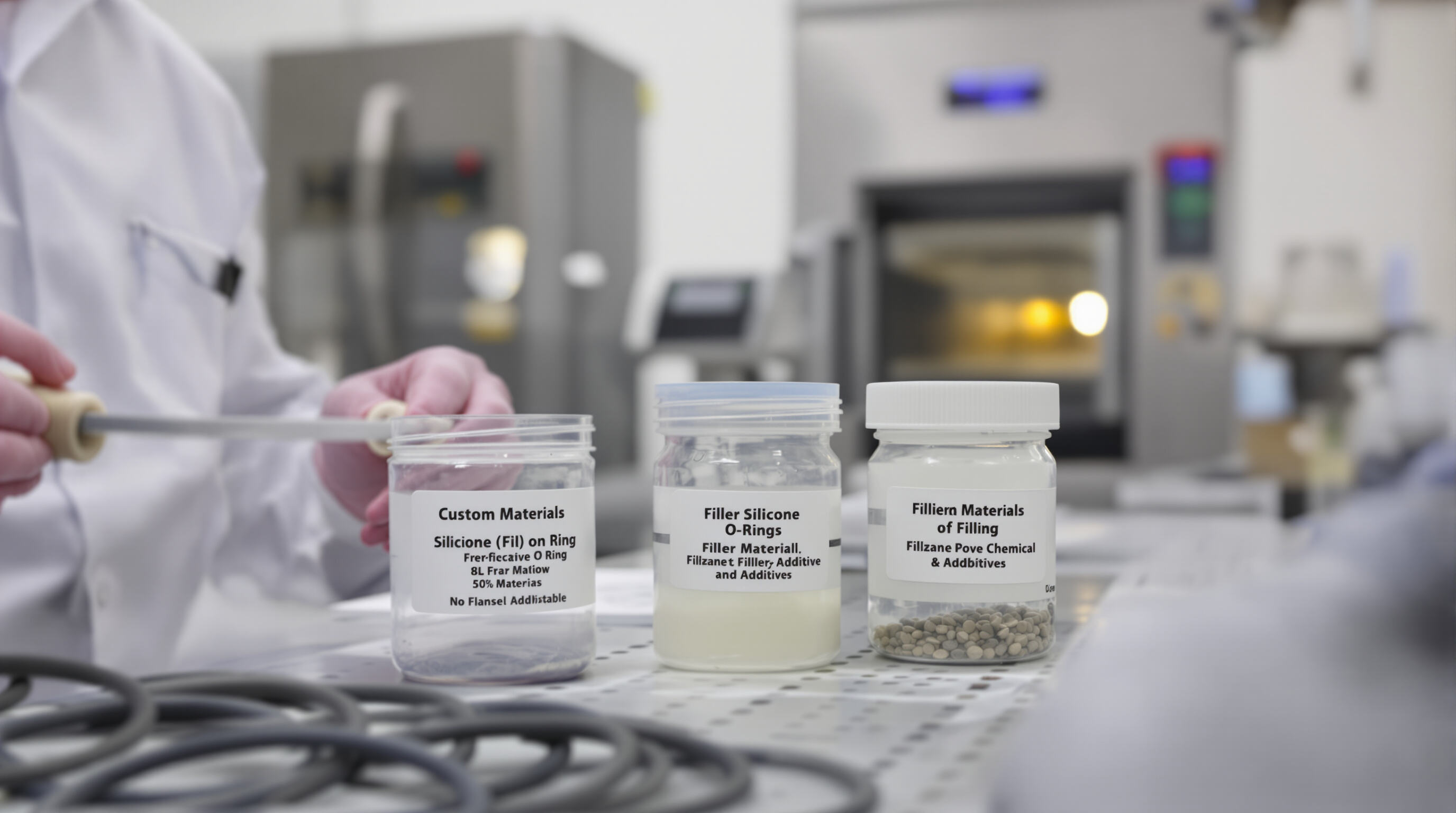
Silicone O-rings made to order work well in temperatures ranging from as cold as minus 60 degrees Celsius all the way up to around 230 degrees Celsius, which translates roughly to minus 76 Fahrenheit through 446 Fahrenheit on the other scale. Some special versions actually mix phenyl or vinyl components right into their chemical structure so they perform better when exposed to specific temperature extremes. When dealing with really hot environments over 200 degrees Celsius (about 392 Fahrenheit), manufacturers often add certain heat resistant materials that help these rings last longer before breaking down from oxidation damage. Tests show these modified versions can hold out against degradation about 40 percent longer than regular VMQ silicone under similar conditions.
Reinforcing Silicone with Fillers for Better Mechanical Stability
Adding 15–30% high-purity silica fillers increases tear strength by 300% while preserving high-temperature flexibility. Carbon black reinforcement improves compression set resistance by 25% at 150°C (302°F), enabling silicone O-rings to withstand mechanical and thermal stresses in turbines and engines.
The Rise of Fluorosilicone Blends for Superior Thermal and Chemical Resistance
Fluorosilicone (FVMQ) combines silicone’s thermal resilience with fluorocarbon’s chemical resistance, extending service life by 50–70% in aggressive environments. Advances in curing systems allow precise control over crosslink density, enabling these blends to maintain elasticity at 230°C (446°F) while resisting swelling in fuels and lubricants.
FAQ Section
What is the temperature range for silicone O-rings?
Silicone O-rings can operate in a temperature range from -60 degrees Celsius to 300 degrees Celsius, with some custom modifications extending higher.
Why are silicone O-rings preferred for high temperatures?
Silicone O-rings are preferred for high-temperature applications due to their strong silicon-oxygen chain, which provides resistance to oxidation and maintains flexibility even under thermal stress.
What are the limitations of silicone O-rings?
Despite their excellent thermal performance, silicone O-rings may swell in hydrocarbon fuels, have lower tensile strength compared to other materials like fluorocarbons, and are limited to less than 1,400 psi without reinforcement.
What are the benefits of using fluorosilicone blends?
Fluorosilicone blends offer enhanced thermal and chemical resistance, making them suitable for aggressive environments and extending service life in high-temperature conditions.
Table of Contents
- Why Silicone (VMQ) Excels in High-Temperature Sealing Applications
- Critical Material Properties of Custom Silicone O-Rings Under Thermal Stress
- Environmental and Operational Factors in Custom Silicone O-Ring Selection
- Real-World Applications of Custom Silicone O-Rings in Extreme Heat
- Customization and Advanced Formulations for Enhanced Thermal Performance
- FAQ Section