
 EN
EN
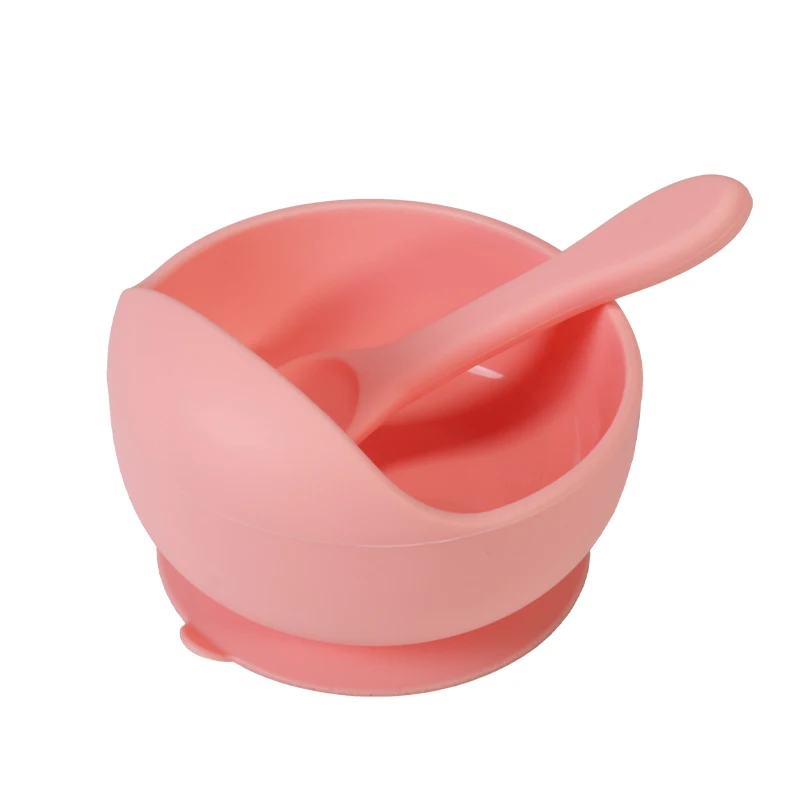
Understanding Silicone as a Sustainable Alternative to Plastic
Rising Demand for Sustainable Alternatives to Plastic in Kitchens
Over 64% of households now prioritize non-plastic kitchenware, driven by growing awareness of microplastic contamination and stricter regulations on single-use plastics (Global Consumer Trends Report 2023). Silicone has emerged as a leading alternative, offering the same versatility as plastic—without the environmental persistence or health risks.
Why Platinum-Cured Silicone Offers Food-Safe, Low-VOC Properties
When platinum is used to cure silicone, there's a special cleaning step that gets rid of leftover solvents. After this treatment, the material contains less than 10 parts per million of those pesky volatile organic compounds we all know as VOCs. What makes this approach so great? Well, it meets those strict FDA requirements for food grade materials while also standing up to extreme temperatures pretty well. We're talking performance that works consistently even when temps drop below freezing or climb past 400 degrees Fahrenheit. And here's another plus point compared to peroxide cured options which tend to leave behind nasty stuff after processing. Platinum cured silicone just doesn't produce any harmful residues, which means food processors can safely use it over and over again without worrying about contamination risks.
Lifecycle Comparison: Plastic vs. Silicone Food Storage Solutions
| Metric | Plastic Containers | Silicone Kitchenware |
|---|---|---|
| Average Lifespan | 1–2 years | 8–10 years |
| Recyclability Rate | 9% (EPA 2023) | 32% (industrial facilities) |
| Degradation Timeline | 450+ years | Non-biodegradable |
Silicone’s extended lifespan reduces replacement frequency, cutting annual kitchenware waste by up to 76% compared to plastic systems.
Global Trends Driving Adoption of Non-Toxic Silicone Kitchenware
The EU’s 2025 Single-Use Plastics Ban and rising demand for PFAS-free products have accelerated the shift toward silicone. Sales of silicone baking mats and reusable bags surged 210% between 2020 and 2023, reflecting consumer preference for durable, chemically stable alternatives.
Silicone’s Role in Reducing Single-Use Plastic Consumption
Reusable silicone food wraps prevent an estimated 1.2 billion single-use plastic wraps from entering landfills each year. With airtight seals and flexibility comparable to plastic wrap, these products support zero-waste kitchens through over 1,000 reuse cycles.
Sustainable Raw Materials and Ethical Sourcing in Silicone Production
Silica: The Abundant, Inert Foundation of Eco-Friendly Silicone
Silicone starts life as silica sand SiO2, which happens to be super common stuff on our planet. We're talking about something that makes up nearly a third of Earth's crust according to those folks at USGS back in 2023. What sets this apart from regular old plastic made from oil is that silica doesn't let chemicals escape when it comes into contact with food. That means no weird flavors or health risks for people eating off silicone cookware. Most big name companies get their hands on really pure silica through mining methods that don't tear up nature too bad. These newer approaches cut down on habitat damage somewhere around 40%, though exact numbers can vary depending on where they're digging.
Innovations in Bio-Based and Renewable Feedstocks for Silicone
Some forward thinking manufacturers have started swapping out between 15 and 30 percent of regular silicone parts for stuff made from nature based sources. Think things like soybean oil products or even cashew nut shell liquid. There was this test run back in 2022 showing how rice husk ash, which comes from farming waste, actually works pretty well as a replacement for some silica materials. And bonus? Factories saw their carbon output drop by about a fifth during production. What's really cool is these new approaches still keep all the important traits we need from silicone, including that amazing ability to handle extreme temperatures ranging from minus 40 degrees Celsius right up to 230 degrees. Plus they cut down on our dependence on those fossil fuel derived chemicals.
Environmental and Ethical Considerations in Material Sourcing
Producing silicone responsibly means having clear visibility across three main parts of the supply chain: how water is managed in mining areas, ensuring fair treatment of workers at quarries, and absolutely no child labor allowed anywhere. A recent study from supply chain specialists back in 2023 found something interesting. Companies that switched to certified conflict-free silica saw about two thirds fewer human rights issues popping up in their supply chains than what's typical across the industry. This tracks with what consumers are starting to demand these days when it comes to products that actually align with social responsibility values.
Reducing Reliance on Fossil-Derived Additives in Green Manufacturing
Advanced formulations now replace up to 90% of petroleum-based catalysts with plant-derived alternatives. For instance, bio-based platinum curing agents eliminate VOC emissions during production while maintaining FDA compliance. Since 2020, manufacturers report a 30% reduction in fossil fuel consumption across additive supply chains, marking significant progress toward renewable silicone chemistry.
Eco-Conscious Manufacturing: Molding Efficiency and Waste Reduction
Injection and Compression Molding: Precision for Minimal Scrap
Modern silicone production leverages injection and compression molding technologies to minimize waste. Advanced facilities achieve scrap rates below 2% through computerized pressure control and AI-driven mold optimization. All-electric machines cut energy use by 40–60% compared to hydraulic systems, while maintaining ±0.05mm precision—ensuring consistent quality with less rework.
Case Study: Zero-Waste Molding in a Certified Green Silicone Facility
At one green certified factory recently, they managed to cut down on production waste by an impressive 98%. How did they do it? Three main approaches worked together really well. First, they started tracking materials as they moved through the production line using those smart IoT sensors. Second, whenever there were leftover pieces called sprues and runners, workers would grind them up right away so nothing went to waste. And third, they formed partnerships with nearby recycling companies for whatever couldn't be reused directly. The whole system keeps around 12 metric tons of silicone out of landfills each year. Plus, the company saves about 15% on raw materials costs according to their latest report from 2024. Pretty impressive results for what started as just an experiment in waste reduction.
In-Process Recycling and Closed-Loop Systems in Production
Top manufacturers recycle 80–95% of post-industrial silicone waste through efficient recovery methods:
| Method | Efficiency Gain | Energy Saved |
|---|---|---|
| Direct mold reintegration | 22% faster cycles | 18 kWh/metric ton |
| Pelletizing for reuse | 97% purity rate | 30% less virgin material |
| Pyrolysis conversion | 89% oil recovery | 45% CO₂ reduction |
These processes support circular manufacturing while meeting FDA safety standards through rigorous quality controls.
Optimizing Curing Processes for Energy and Material Efficiency
New platinum-cured systems operate at 20% lower temperatures (130°C vs. 160°C) thanks to nano-catalysts, without sacrificing cure speed. As shown in a recent analysis, this innovation reduces:
- Annual energy use by 740 MWh per production line
- VOC emissions by 92% compared to peroxide-cured systems
- Post-cure water usage by 60%
Real-time thermal monitoring maintains tight ±2°C tolerances, preventing over-curing and further conserving energy.
End-of-Life Management and the Recyclability of Silicone Kitchenware
Debunking Biodegradability Myths: The Realities of Silicone Disposal
Most people don't realize that silicone won't break down naturally in the environment. What makes it so useful is actually what makes it problematic for nature – these products can last well over 15 years if taken care of properly. The good news? Microbes just can't tackle the silica structure, but there are now special recycling programs that manage to salvage around 85 to 92 percent of the material when items reach their end of life. Major companies have started offering these take-back schemes as part of their sustainability efforts. While far from perfect, this approach helps keep waste out of landfills and supports the kind of circular systems many industries are trying to build right now.
Mechanical Recycling vs. Pyrolysis: Current and Future Recovery Methods
When it comes to mechanical recycling, old silicone gets transformed into filler stuff used in things like buildings or cars, keeping roughly 70% of what makes the original material strong. There's this new pyrolysis tech too that basically burns waste silicone at temperatures between 400 and 600 degrees Celsius, which breaks it apart into siloxane gases and leaves behind silica ash. Some early tests suggest we might hit 95% recovery rates with this method by 2025, but there are still problems to solve regarding how much energy it actually takes to run these processes efficiently.
Retail Take-Back Programs and Consumer Participation in Recycling
More than 120 U.S. retailers now participate in Extended Producer Responsibility (EPR) programs, partnering with silicone brands to collect used kitchenware for industrial processing. A 2023 survey found that 68% of consumers return silicone items when drop-off points are within five miles, underscoring the importance of accessibility in driving participation.
Designing for Disassembly and Advancing Chemical Recycling Infrastructure
Innovative designs use snap-fit joints instead of adhesives in silicone molds and lids, enabling quick disassembly and easier material separation. At the research stage, chemical depolymerization reactors can dissolve silicone utensils and seals back into monomers. Polymer engineering consortia project this method will reach commercial scale by 2027.
Carbon Footprint and Water Use Across the Silicone Lifecycle
Cradle-to-grave assessments show silicone production uses 40% less water than plastic manufacturing (18 m³/ton vs. 30 m³/ton). When recycled once, silicone emits 55% fewer CO₂ equivalents over its lifecycle. Its longevity offsets initial impacts—one silicone spatula replaces more than 300 single-use plastic counterparts over a decade of use.
Comparative Sustainability: Silicone vs. Bioplastics and Other Alternatives
Environmental Impact Metrics: Emissions, Durability, and Resource Use
According to lifecycle assessments published by GreenMatch in 2024, silicone kitchen products create about 72 percent fewer carbon emissions than traditional plastic alternatives when looking at their entire lifespan of around ten years. The situation gets even more interesting when we consider bioplastics such as PLA. Sure, these materials produce less pollution during manufacturing, but there's a catch they need special industrial composting setups which simply aren't accessible for nearly nine out of ten American homes, according to research from Environmental Chemistry Letters last year. When it comes to how long things last, silicone really shines. These items can handle extreme temperatures ranging from minus 60 degrees Fahrenheit all the way up to almost 430 degrees without breaking down. Most silicone cookware lasts well beyond ten years too, while standard bioplastic options tend to start showing signs of wear after just two to five years of normal kitchen use.
Is Silicone Greener Than Plant-Based Bioplastics? A Balanced Analysis
Looking at recent research comparisons shows that making bioplastics needs about three times as much farmland compared to extracting silica from mines when producing similar amounts. On the flip side though, platinum cured silicones actually consume more energy during production (around 34 megajoules per kilogram) compared to polylactic acid which sits at around 27 MJ/kg. So there's kind of a balancing act here between materials that come from renewable sources versus those that demand more energy upfront. Some companies are getting creative with their approach though. They mix rice husk ash into the silica mixture, which cuts down on how much pure quartz they need by roughly 40 percent according to findings published in Polymers journal back in 2024.
Consumer Trends: Market Shift Toward Safe, Reusable Silicone Kitchenware
About 65% of American homes have switched to non-toxic, reusable kitchen items these days, which represents a pretty big jump from just three years ago when NielsenIQ first started tracking this trend back in 2020. Parents love how safe silicone is for their kids because it doesn't release harmful chemicals even when heated to around 428 degrees Fahrenheit, plus most containers can go straight into the dishwasher. Stores are seeing something like three times more business with silicone food storage options than they do with glass or metal alternatives. Why? Well, silicone is much lighter weight stuff too - roughly 58% less heavy than glass actually - and nobody wants to clean up broken glass after an accident. That shatter resistance makes all the difference for busy families who need practical solutions without constant worry.
FAQ
What makes silicone a sustainable alternative to plastic?
Silicone offers a longer lifespan, reduces annual kitchenware waste, and has a greater recyclability rate than plastic. It can be reused multiple times without contamination risks, and it supports zero-waste with over 1,000 reuse cycles.
How does silicone compare to plastic in terms of environmental impact?
Silicone kitchenware has a longer average lifespan of 8-10 years compared to plastic's 1-2 years. It produces fewer carbon emissions and requires less water during production.
Is silicone biodegradable?
No, silicone is not biodegradable but can be recycled through special programs, salvaging about 85-92% of the material.
What are the innovations driving more sustainable silicone production?
Manufacturers are using bio-based feedstocks like soybean oil, utilizing recycling methods, and replacing fossil-derived additives with plant-based alternatives to enhance sustainability.
Are there any drawbacks to using silicone instead of plastic?
Silicone production may consume more energy compared to bioplastics, but it offers more durability and long-term benefits, including non-toxicity and shatter resistance.
Table of Contents
-
Understanding Silicone as a Sustainable Alternative to Plastic
- Rising Demand for Sustainable Alternatives to Plastic in Kitchens
- Why Platinum-Cured Silicone Offers Food-Safe, Low-VOC Properties
- Lifecycle Comparison: Plastic vs. Silicone Food Storage Solutions
- Global Trends Driving Adoption of Non-Toxic Silicone Kitchenware
- Silicone’s Role in Reducing Single-Use Plastic Consumption
- Sustainable Raw Materials and Ethical Sourcing in Silicone Production
- Eco-Conscious Manufacturing: Molding Efficiency and Waste Reduction
-
End-of-Life Management and the Recyclability of Silicone Kitchenware
- Debunking Biodegradability Myths: The Realities of Silicone Disposal
- Mechanical Recycling vs. Pyrolysis: Current and Future Recovery Methods
- Retail Take-Back Programs and Consumer Participation in Recycling
- Designing for Disassembly and Advancing Chemical Recycling Infrastructure
- Carbon Footprint and Water Use Across the Silicone Lifecycle
- Comparative Sustainability: Silicone vs. Bioplastics and Other Alternatives
- FAQ