
 EN
EN
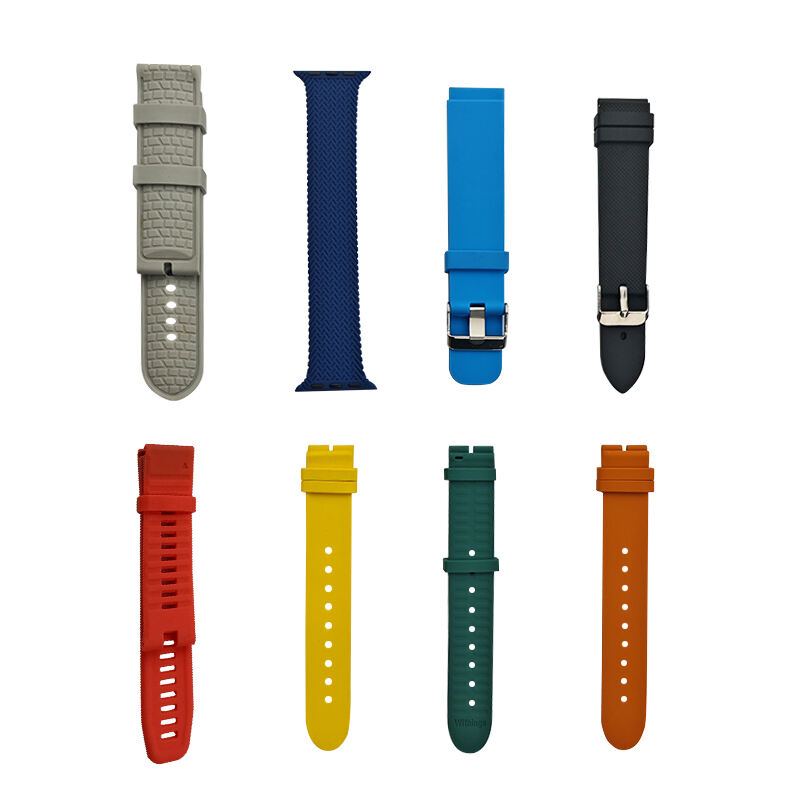
Enabling Flexible and Stretchable Electronics with Silicone Materials
Material Advantages of Silicone in Dynamic Electronic Environments
The flexible nature of silicone allows it to work across temperatures ranging from minus 50 degrees Celsius all the way up to 250 degrees Celsius, making it great for electronic components that need to handle lots of movement and vibration. When it comes to electrical properties, silicone stands out with its dielectric strength between 15 and 25 kilovolts per millimeter. This helps stop dangerous arcing issues in small wearables and Internet of Things gadgets where space is limited. Recent studies on manufacturing electronics show that using silicone to encase sensors actually makes them last about 40 percent longer in industrial settings where there's constant shaking and movement compared to regular plastic materials. Plus, silicone doesn't absorb much moisture at all – under 0.1 percent water uptake – which is really important for devices like portable medical equipment that must function reliably even when exposed to varying humidity levels.
Foldable Circuits and Ultra-Thin Devices Using Silicone-Based Substrates
Engineers have started putting circuits into silicone films that are only 50 micrometers thick. These films can handle more than 200 thousand folding cycles, which is about three times better than what we see with polyimide materials. The stretchy nature of these substrates makes it possible to create RFID tags without batteries that measure just 0.3 millimeters in thickness. Such thin tags work great for keeping track of inventory items on all sorts of curved surfaces. According to recent research published in 2024 looking at flexible hybrid electronics, the circuits bonded to silicone maintain around 98 percent conductivity even after being bent repeatedly for an entire year. This kind of performance matters a lot when developing those foldable display technologies needed for various aerospace instruments where reliability under stress is absolutely critical.
Innovations in Nanostructured Silicones for Enhanced Conductivity and Durability
| Property | Standard Silicone | Nano-Enhanced Version | Improvement |
|---|---|---|---|
| Tensile Strength | 0.5 MPa | 4.2 MPa | 740% |
| Surface Conductivity | Insulative | 10ˉ³ S/m | Functional |
| Abrasion Resistance | Moderate | MIL-STD-202G compliant | 85% |
By integrating silver nanowires (20nm diameter) into silicone matrices, researchers achieve sufficient conductivity for low-power strain sensors while maintaining up to 400% stretchability. The resulting nanocomposites demonstrate 90% resistance stability after 10,000 stretch/release cycles—an important advancement for rehabilitation wearables monitoring joint mobility.
Silicone Electronics Accessories in Wearable Technology and Health Monitoring
Biocompatibility and Skin-Conformal Properties Driving Adoption in Wearables
The fact that silicone works well with our bodies means it's great for wearable health tech that sits against the skin for long periods. Most modern medical wearables actually use silicone these days, according to some research from Ponemon back in 2023 showing around 84% adoption rate. What makes silicone special is how it stretches and moves like skin itself, so these devices stick on without needing sticky stuff that can irritate people wearing them all day while tracking heart rhythms or blood sugar levels. Getting good readings over 24 hours straight depends heavily on this property. A recent look at clinical wearables in 2024 found that when sensors were wrapped in silicone instead of hard plastic, they picked up 37 percent fewer errors caused by movement, which really matters for reliable health data.
Smart Health Bands with Embedded Sensors in Silicone Matrices
New molding methods now make it possible to build pulse oximeters and temperature sensors right into silicone bands, resulting in tough, one-piece designs that stand up to sweat and everyday wear and tear. The materials keep signals clear and strong even after being stretched out to twice their original size, which is why many sports equipment makers and medical device companies are turning to these solutions for both active users and people recovering from surgery. Because silicone works so well with electronic components, some manufacturers have started putting NFC chips inside without needing separate antennas. This means better quality monitoring at clinics can actually find its way into regular consumer products too.
Designing Multi-Functional Silicone Accessories for Fitness and Medical Use
New hybrid medical devices are now merging medication ports with fitness tracking features all in one silicone base. These gadgets have this special temperature control tech that lets them check blood glucose levels and actually administer insulin through tiny fluid pathways. Athletes benefit too from these innovations. The straps made of different density silicones come equipped with sensors that detect strain and can even give targeted muscle stimulation. Patients stick with their rehab routines much better when using these devices. Studies show around 92% completion rate compared to just 67% for old fashioned braces according to the latest Wearable Tech Report from 2024. Makes sense why so many clinics are switching over.
Expanding Connectivity: Silicone in IoT Sensor Networks and 5G Electronics
Resilient Silicone Encapsulation for Industrial IoT Sensors
The combination of flexibility and resistance to chemicals makes silicone the go to choice for encapsulating industrial IoT sensors when they need to work in really harsh conditions. These little guys can handle temperatures ranging between minus 55 degrees Celsius all the way up to plus 200 degrees Celsius without losing their grip on accurate signals, even when subjected to intense vibrations like those found in oil refineries or massive wind turbine installations. According to research published in 2025 by Farmonaut, replacing traditional materials with silicone encapsulation in mining machinery cut down unexpected stoppages by around 37 percent because operators could spot wear issues much earlier thanks to continuous monitoring capabilities.
Miniaturized Wireless Sensor Nodes with Energy-Efficient Silicone Components
When it comes to 5G networks, compact and energy efficient electronics matter a lot, and silicone brings something special to the table with its dielectric properties. Many engineers have started working with silicone based materials for those tiny sensors we see everywhere these days. According to the IoT Trends Report from last year, these silicone sensors actually use about 22 percent less power compared to their rigid counterparts. That makes a real difference when talking about battery life in smart cities. We're looking at devices lasting over five years before needing replacement or recharging. Think about all those air quality monitors mounted on streetlights or the traffic monitoring systems embedded in roadways across urban areas.
Thermal Management and Signal Integrity in 5G mmWave Antenna Modules
When 5G signals start operating in the 24 to 47 GHz range, managing heat really starts to matter. The silicone based thermal interface stuff can pull off around 8 watts per meter Kelvin of heat from those antenna arrays. This helps keep signals clean without much interference since insertion losses stay below 1 dB even after long periods running. Some recent tests with these new nano composite silicones have shown about 15 percent improvement in spreading out heat compared to old school ceramic materials. At least that's what the folks at eetimes reported back in their 2025 look at materials for 5G infrastructure. Makes sense though when we think about how densely packed these components get.
Innovative Applications in Flexible Displays and Integrated Heating Systems
Silicone electronics accessories are reshaping display and thermal management systems through unparalleled material versatility. Their combination of optical clarity, thermal stability, and mechanical flexibility enables groundbreaking solutions across consumer, automotive, and industrial sectors.
Optical Clarity and Flexibility of Silicone Films in Haptic and Display Interfaces
Silicone films transmit over 92% of visible light while supporting bend radii under 2 mm—ideal for foldable screens and responsive haptic interfaces. Unlike brittle glass or conventional polymers, silicone substrates maintain optical performance after more than 200,000 flex cycles, enabling durable curved displays in smartwatches and automotive dashboards.
Transparent Heaters in Automotive and Consumer Electronics Using Silicone
Silicone-based transparent heaters clear fog and ice from automotive windows 40% faster than metallic grids due to uniform heat distribution up to 120°C. These systems now integrate with 5G mmWave antennas and touch sensors, enabling multifunctional surfaces in next-generation vehicles and augmented reality glasses.
Combining Sensors and Heating Elements in Single Silicone Platforms
Engineers have developed silver-silicone hybrid circuits embedded in a single 0.3-mm-thick film that function simultaneously as heaters, strain sensors, and RF shields. This platform enables touch gesture detection while maintaining precise ±0.5°C temperature control, revolutionizing medical devices and industrial control panels through space-efficient multifunctionality.
| Property | Silicone Films | Traditional Polymers |
|---|---|---|
| Visible Transmittance | 92% | 85–88% |
| Flex Cycles (90° bend) | 200,000+ | 5,000–10,000 |
| Thermal Conductivity | 0.25 W/mK | 0.1–0.15 W/mK |
This integration of optical, thermal, and sensing capabilities positions silicone as the substrate of choice for future interactive surfaces.
Surface Engineering and Future Trends in Silicone Electronics Accessories
Advancing Adhesion and Electrical Performance via Surface Modification
Plasma etching and chemical functionalization significantly improve interfacial bonding strength—by up to 60% compared to untreated silicone—enabling reliable performance under extreme temperature and humidity cycles. The 2025 Silicone Adhesives Industry Report highlights laser-textured microstructures that boost conductivity by 40% while preserving flexibility, making them ideal for stretchable sensor arrays.
Balancing Durability and Manufacturing Complexity in Modified Silicones
Two-stage curing protocols reduce processing time by 35% without compromising tear strength (Shore A ≥ 20), improving scalability for automotive and aerospace production. Additives like graphene nanoparticles enhance abrasion resistance by 50% while maintaining viscosity levels compatible with injection molding, streamlining manufacturing of high-performance components.
Future Outlook: Next-Generation Silicone Electronics for Smart Systems
The field is seeing some pretty exciting developments lately, particularly with silicones that can do multiple things at once. Some of these new materials have piezoelectric properties built right in, plus they change color when heated up. Labs around the world are working on materials that actually fix themselves when cracked, capable of healing small fractures below 500 microns just sitting at normal temperatures. What's really interesting is how these materials respond to wireless signals by changing their electrical characteristics. This kind of technology could be game changing for things like smart power grids controlled by artificial intelligence systems and those flexible robots we keep hearing about. Looking ahead, market analysts expect this area to grow substantially, with estimates suggesting around 22 percent yearly increase in silicone based internet of things devices all the way through 2030.
FAQ
What are the advantages of using silicone in electronics?
Silicone provides flexibility, a wide temperature range, excellent dielectric strength, low moisture uptake, and durability, making it ideal for applications in electronics requiring movement or exposure to harsh environments.
How is silicone used in wearable technology?
Silicone is used in wearables for its biocompatibility, skin-conformal properties, and ability to integrate sensors for health monitoring, providing comfortable and reliable data collection.
What role does silicone play in 5G and IoT devices?
Silicone is crucial in IoT and 5G devices for its thermal management capabilities, flexibility, and power efficiency, providing reliable performance in compact networks.
Can silicone be used in flexible displays?
Yes, silicone films offer high optical clarity and flexibility, ideal for use in foldable screens and haptic interfaces while maintaining performance after many flex cycles.
What innovations are happening with silicones in electronics?
Recent innovations include nano-enhanced silicones for improved conductivity and durability, multi-functional silicone platforms integrating sensors, and surface modifications for enhanced adhesion and electrical performance.
Table of Contents
- Enabling Flexible and Stretchable Electronics with Silicone Materials
- Silicone Electronics Accessories in Wearable Technology and Health Monitoring
- Expanding Connectivity: Silicone in IoT Sensor Networks and 5G Electronics
- Innovative Applications in Flexible Displays and Integrated Heating Systems
- Surface Engineering and Future Trends in Silicone Electronics Accessories
- FAQ