
 EN
EN
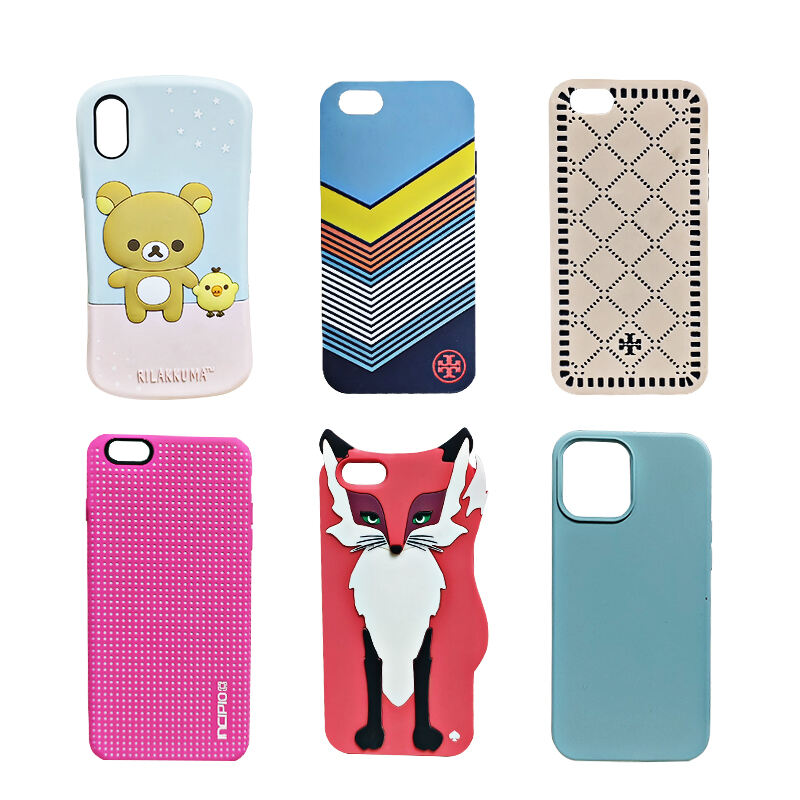
The Rise of Miniaturized Silicone Electronics Accessories
Growing Demand for Compact and Lightweight Devices Drives Silicone Integration
As gadgets get smaller and smaller, the electronics world has really jumped on the silicone bandwagon lately. According to IndustryWeek from last year, around two thirds of manufacturers are now going all in on silicone for their tiny device accessories when talking about products less than 15mm thick. What makes silicone so appealing? Well, it works great even when squeezed into those super slim designs that consumers love for their pocket friendly smartwatches and those fancy folding screens everyone keeps hearing about. Tech companies' research departments have figured out how to shape silicone instead of relying on heavier plastics for things like connectors and seals. This switch cuts down weight by almost half in some cases while still keeping everything sturdy enough to last.
Silicone's Role in Enabling Smaller, More Efficient Electronic Designs
Advanced liquid silicone rubber (LSR) formulations allow wall thicknesses below 0.3mm in components such as waterproof gaskets and antenna housings. This enables:
- 50% smaller sensor footprints in medical implants
- 30% denser circuit layouts in hearing aids
- Seamless integration with flexible hybrid electronics (FHE)
These advances support higher component density while maintaining reliability in constrained spaces.
Market Shift Toward Wearables and Implantables Using Miniaturized Silicone Components
Market forecasts suggest that around 200 million silicone wrapped biosensors will be deployed in wearable health tech by 2026 according to Global Market Insights from last year. Recent advances in implantable devices show just how well silicone works as housing material for tiny electronic components since it stands up against body fluids pretty well. Major consumer electronics manufacturers are increasingly asking for silicone components with extremely tight tolerances below a millimeter these days. They need this precision for things like augmented reality glasses and those new contactless payment rings we've been seeing everywhere lately. All this demand has pushed the industry to spend approximately 2.1 billion dollars on upgrading their precision molding equipment over recent years.
Material Advantages of Silicone in Miniaturized Electronics
Flexible and Stretchable Electronics in Silicone Enable Conformal Device Integration
Silicone can stretch over three times its original size without tearing, which makes it great for wearable tech that touches the skin directly as well as medical implants that need to fit body contours. Recent advances in flexible circuitry keep the electricity flowing even when things move around, something the 2024 Advanced Materials Report pointed out as pretty groundbreaking stuff. When we combine all this bendy goodness with actual working components, we're looking at some seriously cool possibilities for electronic devices that truly conform to whatever surface they're on.
Thermal Management in Compact Electronic Devices via Advanced Silicone Encapsulants
High-density electronics generate substantial heat, but silicone encapsulants infused with boron nitride achieve thermal conductivities of 5 W/mK—15 times higher than standard versions. These materials prevent overheating in compact power modules and LEDs, ensuring stable operation even at temperatures reaching 200°C (Parker Hannifin 2023).
Electrical Insulation and Environmental Resistance in High-Density Circuits
With a dielectric strength of 20 kV/mm and inherent hydrophobicity, silicone effectively insulates submillimeter circuits exposed to humidity, dust, and chemical vapors. Its resistance to arcing and corona discharge makes it suitable for high-voltage applications like EV charging systems, where safety and longevity are critical.
Durability Under Mechanical and Thermal Stress in Miniature Designs
Compression-molded silicone withstands over 10,000 flex cycles and temperature swings from -55°C to 250°C without cracking or hardening. Accelerated aging tests show 93% retention of mechanical properties after five years of simulated use, confirming long-term reliability in demanding environments.
Technological Innovations in Silicone Formulations and Processing
Precision Manufacturing for Reliable Miniaturized Silicone Electronics Accessories
Recent improvements in liquid silicone rubber (LSR) injection molding now make it possible to produce parts with incredibly tight tolerances below 0.1 mm, which is pretty much required for things like smart watches and implantable medical devices. The latest material blends have boosted tensile strength by around half compared to older versions, yet still keep that nice flexible feel needed for creating thin but durable sealing surfaces. Manufacturers are also implementing these fancy AI powered vision systems that spot defects at an amazing rate of less than 0.02%. This level of precision matters a lot when we're talking about critical applications such as housing units for heart pacemakers where even tiny flaws could be catastrophic.
Advanced Application Techniques for Complex Miniature Geometries
The latest advances in silicone 3D printing have pushed layer resolution down past 20 microns, which opens up possibilities for creating complex lattice structures that manage airflow in hearing aid designs. With dual material extrusion technology, manufacturers can actually print conductive paths right into the silicone base material itself, cutting out those messy bundles of wires we see in traditional sensor setups. When it comes to coating neural probes, electrospray techniques produce consistently thin layers around 5 microns thick. That's about 30 percent thinner than what we get from regular dip coating methods, and this difference matters a lot when talking about proper insulation and making sure these medical devices work safely inside the body.
Integration of Smart Sensing and IoT Capabilities in Silicone-Based Devices
Tiny MEMS sensors measuring just millimeters across are being integrated right into silicone materials these days, and they still keep their flexibility intact. Some tests have actually demonstrated stretchable RFID tags working great even when stretched out to twice their original size while keeping about 98% of their signal strength. This kind of tech opens doors for all sorts of applications, especially in sports equipment where athletes need continuous feedback during recovery periods. Looking at industrial settings too, we see these same silicone protected environmental sensors holding up well against harsh conditions rated IP68 and functioning properly even when temps hit around 150 degrees Celsius. That makes them pretty valuable for factory floor monitoring systems where predicting equipment failures before they happen saves both time and money.
Key Applications in Medical and Consumer Electronics
Implantable Sensors and Neurostimulators: Miniaturized Silicone in Medical Devices
The reason why silicone works so well in medical implants has to do with how it interacts with our bodies and stays flexible over time. Doctors rely on medical grade silicone for things like heart monitoring devices and brain stimulation equipment because these materials actually adapt to what's happening inside the human body rather than causing irritation or discomfort. Plus, they tend to give better readings when collecting information from patients. A recent study somewhere around 2024 found that about two thirds of all EEG and EMG electrodes out there are made with silicone. Why? Because this material just handles electricity really well without messing up when exposed to bodily fluids or tissues.
Miniaturized Hearing Aids and Wearable Health Monitors Using Flexible Silicone
Patient-centric design trends drive adoption of silicone-based wearables. Thin-film silicone substrates enable hearing aids with 40% smaller profiles than traditional models, while stretchable variants ensure consistent skin contact in motion-prone health monitors. These devices represent 22% of current remote patient monitoring solutions.
Smartwatches and Fitness Trackers Leveraging Durable Silicone Electronics Accessories
Silicone's shock absorption and UV resistance extend the service life of consumer wearables. Over 80% of premium smartwatches use silicone gaskets to protect internal electronics from moisture and particulates. Hybrid silicone formulations also allow biometric sensors to be seamlessly integrated into wristbands, improving comfort and signal fidelity.
Waterproof and Shock-Resistant Consumer Electronics Enabled by Silicone Potting
Silicone potting compounds safeguard high-density circuits in harsh conditions. In smartphones, they reduce water-related failure rates by 35%. Automotive infotainment systems increasingly rely on silicone-encapsulated modules capable of enduring vibrations up to 20G, ensuring reliable performance in dynamic environments.
Future Trends and Sustainable Development in Miniaturized Silicone Electronics
Next-Generation Thermal Interface Materials and Encapsulants for Smaller Devices
New silicone based thermal interface materials (TIMs) now hit around 8 to 12 W/mK conductivity, making them pretty effective at handling heat issues in those super compact electronic systems we see today according to Industry Analysis from last year. What's really interesting about these materials is they can work with bond lines thinner than 30 microns yet stay flexible enough not to crack or break when applied to high power microchips inside wearable devices and Internet of Things sensors. The latest encapsulant formulas aren't just good at moving heat away though. They also stand up against ionic contamination problems, which means electronics last longer even when exposed to harsh environments over time. This dual benefit makes them particularly valuable for manufacturers dealing with miniaturization challenges across multiple industries.
Overcoming Semiconductor Packaging Limits in the Era of Extreme Miniaturization
When chip packages start going past traditional 2.5D designs, silicone adhesives become really important for creating those hybrid bonds at just 5 micrometer interconnect pitches. That's actually about 60% better than what we get with regular epoxy options. Some pretty cool additive manufacturing methods now let these silicone parts fit exactly where they need to go in those tiny chip scale packages. A recent look at space electronics from 2025 actually highlights this trend. Meanwhile, various industry organizations are working on getting ASTM certified protocols sorted out so manufacturers can prove their products will hold up under constant heat exposure above 200 degrees Celsius.
Sustainable and Scalable Production of Silicone Electronics Accessories
Switching to solvent free silicone formulas slashes volatile organic compound emissions down around 78 percent when compared with traditional methods according to GreenTech Reports from last year. Recycling systems that operate in closed loops manage to retrieve more than 90% of the silicone material before it gets cured right off the micro molding machines. Meanwhile, those special UV curable versions save roughly 40% on energy costs during mass production runs. All these improvements meet requirements set out in ISO 14040 environmental impact assessments, which means manufacturers can now produce tiny parts on an industrial level without adding much carbon footprint to their operations.
FAQ
Why is silicone preferred in miniaturized electronic devices?
Silicone is favored for its lightweight, flexibility, and durability, making it ideal for tight spaces in miniature electronics. Its thermal and electrical insulation properties further enhance device performance.
How does silicone contribute to sustainability in electronics manufacturing?
Silicone-based manufacturing reduces volatile organic compound emissions and enhances recyclability, lowering the environmental impact. New formulations also cut energy costs in production.
What advancements have been made in silicone for medical devices?
Silicone has enabled smaller, more precise medical devices that adapt to the body, improving patient comfort and device performance in implants and wearable health monitors.
Table of Contents
- The Rise of Miniaturized Silicone Electronics Accessories
-
Material Advantages of Silicone in Miniaturized Electronics
- Flexible and Stretchable Electronics in Silicone Enable Conformal Device Integration
- Thermal Management in Compact Electronic Devices via Advanced Silicone Encapsulants
- Electrical Insulation and Environmental Resistance in High-Density Circuits
- Durability Under Mechanical and Thermal Stress in Miniature Designs
- Technological Innovations in Silicone Formulations and Processing
-
Key Applications in Medical and Consumer Electronics
- Implantable Sensors and Neurostimulators: Miniaturized Silicone in Medical Devices
- Miniaturized Hearing Aids and Wearable Health Monitors Using Flexible Silicone
- Smartwatches and Fitness Trackers Leveraging Durable Silicone Electronics Accessories
- Waterproof and Shock-Resistant Consumer Electronics Enabled by Silicone Potting
- Future Trends and Sustainable Development in Miniaturized Silicone Electronics
- FAQ