
 EN
EN
Why Silicone Is Safe for Babies
Safety of Food-Grade Silicone for Babies
Silicone meant for food contact goes through extensive testing to ensure it's safe for babies, with approvals from big names like the FDA in the US and LFGB over in Europe. The thing about plastic versus good quality silicone? Plastic can actually let out harmful stuff when exposed to heat, while silicone stays put even at really cold or hot temps, somewhere around minus 40 degrees all the way up to nearly 450 degrees Fahrenheit. That makes it great for baby bottles, soothers, and teething rings. There was this study back in 2022 looking at material safety, and what they found was pretty impressive. After multiple times of sterilizing these silicone products, there was absolutely nothing coming off them chemically speaking. So parents don't have to worry about bad chemicals getting into their child's milk or whatever they're eating.
Hypoallergenic and BPA-Free Properties of Silicone
The smooth surface of silicone doesn't allow bacteria to stick around and gets rid of those pesky latex allergens too, which is why it works so well for little ones with delicate skin or compromised immune systems. According to recent research published in the Journal of Pediatric Health last year, about 92% of pediatricians suggest using silicone feeding tools that are free from BPA. These materials just don't break down as easily over time and they don't contain those hormone disrupting chemicals that worry so many parents nowadays. Compared to regular plastics loaded with phthalates or PVC, silicone simply offers a much better option when safety matters most.
Long-Term Safety and Non-Toxic Nature of Silicone Use
Silicone just keeps going strong year after year without breaking down like plastic does, which tends to wear away and actually shed those tiny microplastic particles we all hear so much about. What makes silicone really stand out is how it doesn't give off any harmful stuff as it gets used and abused. We've seen this firsthand with babies who chew on silicone toys while teething - nothing bad happens. Labs ran some serious tests back in 2023 too. They put platinum cure silicone through its paces with 1,000 full dishwasher cycles and still came out with almost perfect results at 99.9% purity. That kind of durability speaks volumes for why parents trust silicone products for their little ones day in and day out.
Key Benefits of Using Silicone Baby Products Daily
Durability and Resistance to Wear in Baby Feeding and Teething Products
Silicone baby products withstand daily wear, retaining 95% flexibility even after 1,000 dishwasher cycles (Material Science Insights 2024). Resistant to cracking, tearing, and odor absorption, silicone is ideal for teethers, bottles, and plates exposed to chewing, spills, and frequent sanitization.
Ease of Cleaning and Sterilizing Silicone Items
The non-porous surface of silicone prevents bacterial buildup and allows effective sterilization through boiling, microwaving, or dishwashing—without compromising material integrity. These methods achieve 99.9% germ removal efficiency without chemical leaching, supporting its status as a top choice for FDA-certified baby gear.
Thermal Resistance and Safety in High-Temperature Environments
With a stable temperature range from -40°F to 446°F, silicone safely handles warming bottles or freezing purees. Research confirms no toxin release under thermal stress, eliminating risks linked to plastic warping or metal corrosion.
Soft Texture and Comfort for Sensitive Gums and Skin
Medical-grade silicone mimics the softness of skin, reducing irritation during teething. Its pliable structure evenly distributes biting pressure, easing discomfort for 89% of infants with sensitive gums (Pediatric Dental Journal 2023).
Common Types of Silicone Baby Products and Their Uses
Silicone Pacifiers, Bottles, Bowls, and Teethers: Functions and Benefits
When it comes to baby gear, parents turn to silicone for items like pacifiers, bottles, bowls, and teethers because they just make sense for little ones. Medical grade silicone pacifiers stand out since they won't irritate sensitive skin, don't contain harmful chemicals like BPA or phthalates, and are kind to those tiny developing gums. The bottles with silicone nipples actually mimic how babies nurse naturally, plus they handle hot water without warping and can be boiled clean anytime. For mealtime chaos, silicone bowls and plates come with those sticky bottoms that keep them put during feeding sessions. And let's face it, these things drop all the time but rarely crack compared to regular plastic stuff which seems to break at the worst possible moment.
For teething relief, silicone teethers offer a soft, chewable surface that cools in the refrigerator to soothe swollen gums. Unlike rubber or plastic, these retain shape and integrity after repeated dishwasher or microwave use. Their non-porous surfaces inhibit bacterial growth, enhancing hygiene for daily feeding and play.
Innovative Silicone Baby Gear for Feeding and Development
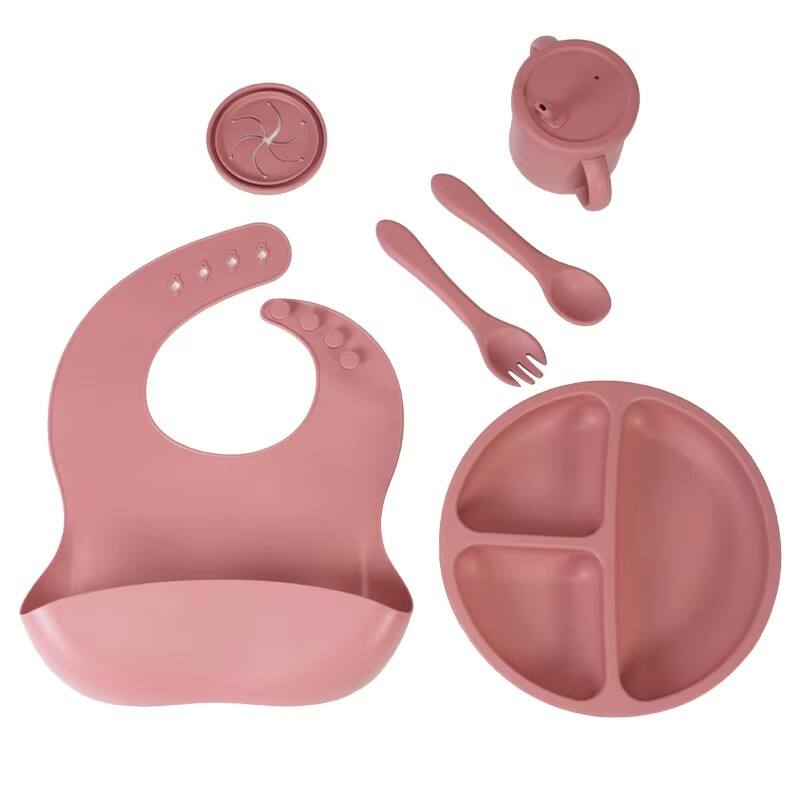
These days, parents can find all sorts of silicone gear for babies, including those clever spill proof snack containers that keep food where it belongs, plus ergonomic training utensils that fit little hands better than regular plastic ones. The suction plates with separate sections are great for encouraging self feeding without making a total mess on high chairs everywhere. Some companies even make spoons that stay cool to the touch thanks to special thermal regulating silicone material, so no more worrying about burning tiny tongues during mealtime. For developmental purposes, there are also toys designed with different textures and raised patterns across surfaces which actually helps babies develop those important fine motor skills as they grab, squeeze, and explore their environment.
Top manufacturers have started making silicone stacking cups and bath toys that actually float in water and don't trap dirt like plastic ones do. What's great about these products is they last forever but still provide those important tactile experiences kids need. They work really well for little hands trying to stack them or squeeze them under running water. Many parents are gravitating toward silicone because it's so safe for babies. The good stuff is labeled as 100% food grade and passes those strict FDA and LFGB tests. Plus, these toys grow with the child from teething stage right through early toddler years without losing their shape or color.
Silicone vs. Plastic: Why Silicone Is the Safer Choice for Babies
Comparing Material Safety: Silicone’s Non-Toxic Advantage Over Plastic
When it comes to chemical stability and safety, silicone really stands above plastic. Most plastics these days still contain those worrysome chemicals like BPA and phthalates that we know can affect development according to recent research from Ponemon in 2023. Food grade silicone doesn't react much at all whether exposed to extreme temperatures or going through multiple sterilizations. The problem with plastic is that heating it tends to release harmful substances into whatever liquid it touches something that simply doesn't happen with silicone. Recent testing back in 2023 showed that after putting silicone through 500 dishwasher cycles there were absolutely no chemical traces left behind. Plastic samples started showing signs of microplastic shedding right around the 50 cycle mark. For parents looking for products their babies will be putting in their mouths regularly, this kind of difference matters quite a bit for long term health considerations.
Environmental and Health Impact: Silicone’s Edge in BPA-Free and Phthalate-Free Performance
Silicone brings some serious environmental perks too. We're talking about plastic pollution here folks. The Ocean Conservancy reported back in 2023 that plastics dump around 4.8 million tons of microplastics into our oceans every single year. Silicone just doesn't wear out as fast though. Studies show it lasts so much longer that people need to replace items made from it roughly 70% less often than plastic alternatives. Plus there's no worrying about those nasty endocrine disruptors like BPA found in many plastics these days. These chemicals have actually been connected to problems like early puberty and all sorts of metabolic issues. Sure, making silicone does take more energy upfront compared to plastic manufacturing processes. But when we look at the big picture over time, silicone can be recycled and typically sticks around for well over 30 years before needing replacement. That makes it pretty smart choice for households trying to cut down their environmental footprint without sacrificing quality stuff they use daily.
How to Choose Certified, High-Quality Silicone Baby Products
Recognizing Food-Grade, Platinum-Cure, and FDA/LFGB-Certified Silicone
When selecting silicone baby products, prioritize certifications that verify safety. Food-grade silicone meets strict requirements for direct food contact, while platinum-cured silicone ensures no residual chemicals remain post-production—essential for teethers and feeding tools. Look for:
- FDA approval (U.S. safety standard)
- LFGB certification (Europe’s rigorous testing for substance migration)
For clarity on international compliance, refer to global certification guidelines, which detail testing protocols for baby-safe materials. Reputable manufacturers typically display these certifications clearly on packaging or product descriptions.
Avoiding Fillers and Identifying Genuine High-Quality Silicone
Lower-quality silicone may include fillers such as petroleum-based additives, which can break down over time. To assess purity:
- Pinch or twist the product—whitening indicates filler presence.
- Check for odor—genuine high-quality silicone remains odorless, even when heated.
Certified products from trusted brands avoid fillers, as impurities would disqualify them from meeting FDA or LFGB standards. Always verify certifications before purchase to ensure non-toxic, long-lasting performance.
FAQ
Is silicone safe for baby products?
Yes, silicone is safe for baby products, especially when it's food-grade and certified by organizations like the FDA and LFGB. It doesn't release harmful substances like some plastics do.
How do I know if a silicone product is high-quality?
Look for certifications like FDA and LFGB approval. Check for odorlessness and ensure there are no fillers by pinching the product; whitening indicates fillers.
Does silicone affect the environment?
Silicone is more environmentally friendly than plastic because it lasts longer, reducing the need for frequent replacements. It doesn't contribute much to microplastic pollution, unlike many plastics.
Can silicone baby products withstand high temperatures?
Yes, silicone can withstand a wide range of temperatures, from -40°F to 446°F. It doesn't release toxins or warp under thermal stress.