
 EN
EN
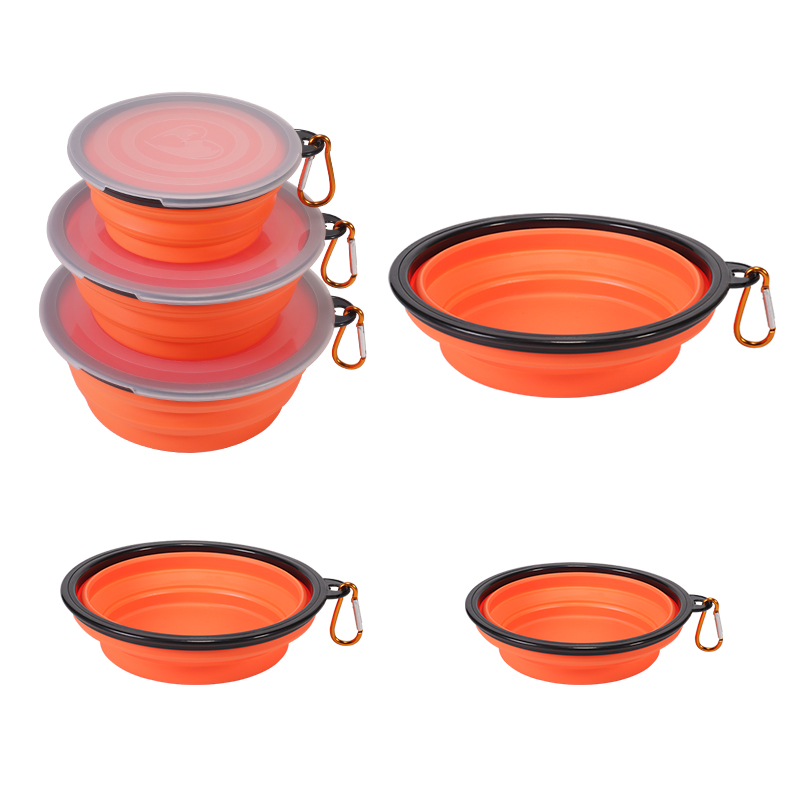
Why Silicone Is a Safe Material for Pets
What Makes Silicone a Non-Toxic Material for Pets
The way silicone is built at the molecular level means it doesn't let out dangerous stuff like BPA or phthalates, no matter how hot things get or how long something might be chewed on. Regular plastic tends to break down eventually, but silicone stays put chemically speaking. That's why doctors put it inside people for implants and why so many baby bottles and nipples are made from this material these days. Studies done with animals show another benefit too: most pets don't react badly to silicone against their skin. For dogs and cats with sensitive systems, this matters a lot because traditional materials can sometimes cause rashes or worse when they come into contact with fur and skin for extended periods.
Food-Grade and Medical-Grade Silicone: What These Labels Mean
Silicone that's rated for food contact has to pass pretty rigorous safety tests before it can touch anything meant for consumption. The main point is that nothing bad gets transferred into pet food or water when using these materials. Then there's medical grade silicone which goes through even more thorough checks for how well it works inside the body. This kind of silicone stays put when exposed to skin, blood, or other bodily stuff over long periods. Think things like feeding tubes or those rubbery chew toys dogs love. Both kinds of silicone need to handle heat without breaking down. They stay solid during sterilization procedures at vet clinics and survive regular dishwasher runs too. And importantly, they don't give off any nasty chemicals while doing all this.
Certification and Testing of Silicone Pet Products
Serious companies who make silicone stuff for pets usually get their products tested by outside labs for things like heavy metals, harmful chemicals, and how long they last. There are several important certifications that show these products meet safety standards across different regions. The FDA covers stuff made in the US, LFGB applies to products sold in Europe, and there's also this thing called OEKO-TEX Standard 100 that checks for all sorts of nasties. A recent report from 2023 looked at pet products and found something interesting: around 94 percent of silicone bowls actually passed those tricky leaching tests. That's pretty impressive when compared to plastic options which tend to fail more often.
Safety Regulations for Pet Products: FDA, CPSC, and EU Standards
Silicone products that come into contact with pet food are regulated by the FDA under pretty much the same rules they apply to containers for human food. Over in the United States, the Consumer Product Safety Commission handles safety standards for things like pet toys and accessories. Meanwhile across Europe, there's this big regulation called REACH that limits dangerous chemicals and actually requires manufacturers to test their products for more than 1000 hours straight. All these different regulations basically make sure that silicone stuff made for pets meets some pretty good safety standards worldwide.
Hygienic Advantages of Silicone in Pet Product Design
Non-Porous Nature of Silicone and Bacterial Resistance
The smooth surface of silicone doesn't let microbes take hold because there are no tiny cracks for bacteria to hide in. Research from the American Society for Microbiology back in 2022 showed silicone stands up to germs about 85% better than regular plastics. For pet owners dealing with animals that have sensitive stomachs, this matters a lot when it comes to food bowls and chew toys. The fact that silicone has no seams means it can be cleaned properly with just soap and water something that's impossible with rough rubber or plastic surfaces which tend to trap bits of food and grime. Looking at some lab results from 2021, scientists discovered that after being washed, silicone items had almost 100 times fewer Salmonella bacteria hanging around compared to other common materials used for pet products.
Resistance to Mold and Mildew in Humid Environments
Silicone's natural resistance to mold and mildew comes from its hydrophobic nature, which means it stays clean even when exposed to dampness in places like bathroom corners or outside feeding stations. Some tests have actually found that silicone pet products only show about 73% less mildew compared to plastic ones after sitting in humid conditions for a month according to research published in the Veterinary Medicine Journal back in 2021. The material's water repelling surface stops smells from sticking around too long something fabric toys struggle with since they soak up pet saliva and wetness so easily. For owners living in hot humid regions or those with dogs who love splashing around in puddles, silicone items dry off much faster than alternatives, cutting down on the chances of fungi getting a foothold anywhere near their furry friends.
Comparative Hygiene: Silicone vs. Plastic in Pet Feeding Products
Studies indicate that around two thirds of plastic pet bowls develop noticeable biofilm growth after just one month, whereas silicone stays much cleaner because it doesn't react chemically with food particles (Journal of Animal Science reported this back in 2019). The reason? Plastic has those tiny pores that catch oils and proteins from dog food, creating breeding grounds for bacteria like E. coli and Staphylococcus which can lead to skin problems and stomach troubles in our four-legged friends. Silicone bowls have that slick surface that makes it hard for leftovers to stick around, so they stay sanitary longer. And here's another plus point for silicone: it won't break down when we clean them with enzyme based products or run them through hot water cycles, meaning no microscopic plastic bits ending up in the wash water every time we give them a scrub.
Easy Cleaning and Long-Term Sanitation of Silicone Pet Toys
Silicone excels in hygiene thanks to its non-porous composition, which inhibits bacterial entrapment and simplifies maintenance. A 2023 veterinary hygiene study found that properly cleaned silicone toys harbor 87% fewer pathogens than porous rubber alternatives after six months of use—making them ideal for pets with compromised immune systems.
Effective Cleaning Methods for Silicone Pet Toys
Daily cleaning requires only warm water and mild dish soap; gentle scrubbing removes debris without damaging the surface. For deeper sanitization:
- Boil for 5 minutes to eliminate odor-causing bacteria commonly found on saliva-coated toys
- Soak monthly in a 1:1 white vinegar solution to dissolve mineral deposits
- Use UV sterilization devices (safe up to 400°F/204°C) without warping or degradation
Dishwasher Safety and Sterilization Compatibility
Most food-grade silicone pet toys are dishwasher-safe when placed on the upper rack. Their thermal stability supports steam sterilization at 250°F (121°C), exceeding the CDC’s disinfection guidelines for chew toys without releasing microplastics. Always check manufacturer specifications, as colored variants may contain additives that lower heat tolerance.
How to Identify Safe and High-Quality Silicone Pet Products
Decoding Labels: BPA-Free, Phthalate-Free, and OEKO-TEX Standard 100
When evaluating silicone pet products, look for BPA-free and phthalate-free labels—chemicals linked to hormonal disruptions in animals (EPA 2023) and banned in premium-grade silicones. The OEKO-TEX Standard 100 certification is equally important, confirming the product contains no detectable levels of over 300 regulated substances.
Key label indicators include:
- FDA Compliance: Ensures safety for indirect food contact, such as feeding bowls
- LFGB Certification: Germany’s stringent standard requiring migration testing for food-contact materials
- ISO 10993: Validates biocompatibility for toys designed for extended chewing
How to Identify High-Quality, Lab-Tested Silicone Products
Premium silicone pet products demonstrate three key characteristics:
Material Flexibility
Pure silicone springs back instantly after twisting; low-quality versions with fillers may crease or discolor.Odorless Composition
A chemical smell when heated indicates volatile organic compounds (VOCs)—a warning sign of substandard materials.Lab-Verified Safety
Trusted brands provide third-party test results confirming minimal heavy metal content (<0.1% lead/cadmium) and broad thermal resilience (-40°C to 230°C).
For chew toys, prioritize those meeting EN71 (EU toy safety) or ASTM F963 (U.S. consumer product safety standard). According to a 2023 review in Animal Wellness Digest, 78% of veterinarian-recommended silicone products held at least two recognized certifications.
FAQ
Is silicone safe for all pets?
Yes, silicone is generally considered safe for most pets due to its non-toxic nature and resistance to bacterial growth.
Can silicone pet products withstand heat?
Yes, both food-grade and medical-grade silicone are designed to resist heat without degrading, and they are often dishwasher safe.
How do you clean silicone pet toys?
Silicone pet toys can be cleaned with warm water and mild dish soap, boiled for deeper sanitization, or even placed in the dishwasher if marked as dishwasher safe.
What certifications should I look for in silicone pet products?
Look for certifications such as FDA compliance, LFGB certification, and OEKO-TEX Standard 100 to ensure the silicone pet products are safe and of high quality.