
 EN
EN
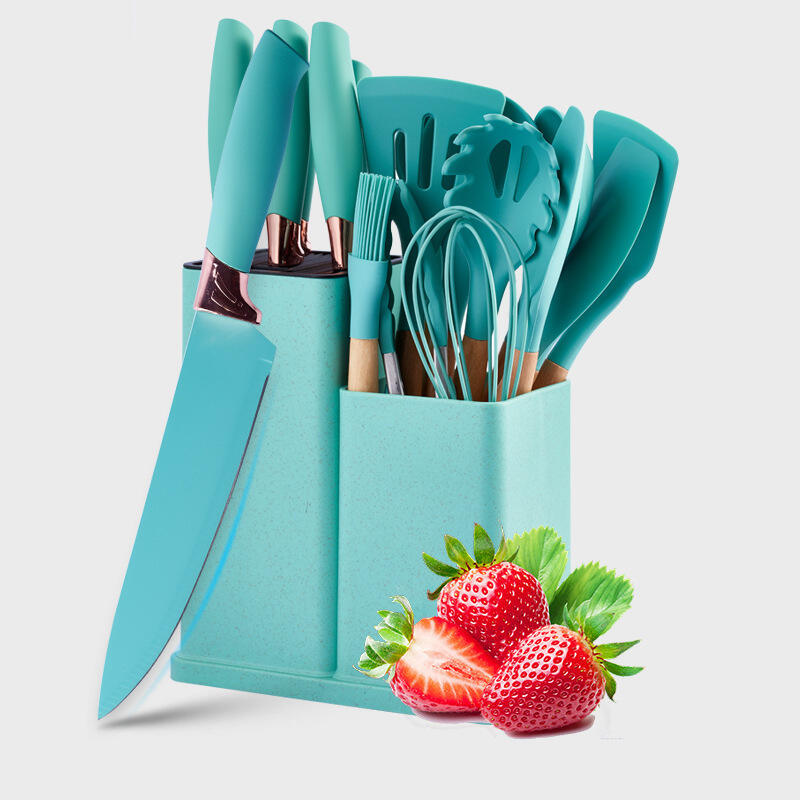
Understanding Silicone Kitchenware Heat Resistance
How Silicone Withstands Extreme Temperatures
Silicone kitchen tools can handle pretty much any temperature thrown at them, staying put between about -40 degrees Fahrenheit all the way up to around 450 degrees without getting warped or melted. The reason behind this durability lies in the special polymer they're made from, something that keeps its form even when exposed to really hot or really cold conditions. Because of this property, these items work great for so many kitchen tasks like baking casseroles, simmering sauces on the stove, or heating leftovers in the microwave. Home cooks have found themselves reaching for silicone more often lately because it just doesn't break down like other materials might, offering both peace of mind and consistent performance day after day.
Comparing Heat Tolerance: Silicone vs Nylon vs Plastic
Looking at how materials handle heat, silicone really beats out nylon and plastic, since those tend to warp or melt when things get hot. Tests show silicone can take much higher temps before breaking down, which is why most serious cooks prefer it for baking molds and oven tools. What makes silicone even better for kitchens? The stuff stays put without releasing nasty chemicals like some plastics do when heated. That stability matters a lot when dealing with food prep at high temperatures.
Safety of High-Temp Cooking with Food-Grade Silicone
Silicone that's labeled as food grade can handle pretty high heat without letting any bad stuff transfer into what we eat, which gives people peace of mind when cooking. Tests show that even when heated to normal cooking temps, these materials don't release anything harmful, so they really stand out compared to other options on the market. Most good quality silicone items come with official stamps of approval from relevant industries, basically saying they're okay to use around food. That's why many folks both at home and in restaurants prefer using silicone tools for their kitchens. They just feel safer knowing their spatulas or baking molds won't mess with the food quality.
Durability of Silicone Kitchenware in Daily Use
Longevity of Silicone Utensils Under Stress
People love silicone utensils because they last forever, even after all the beating they take during normal cooking sessions. Made from something really tough, these tools can get bent, stretched out, twisted around, yet still keep their original form and work just fine. Kitchen tests show time and again that silicone stands up well against stress factors, which makes them great for things we do every day in the kitchen like mixing batter or stirring sauces. Wood and metal tools tend to crack or bend over time, but not so much with silicone stuff. That's probably why so many folks in kitchens big and small have started swapping out their old wooden spoons and metal spatulas for silicone alternatives these days.
Resistance to Cracking, Warping, and Staining
Kitchen tools made from silicone stand up really well against cracking and warping thanks to their flexible polymer makeup. Even when exposed to extreme heat or physical stress, these items keep their shape and function without issue. Plastic and wooden alternatives just don't hold up as well they tend to crack under pressure or warp when heated. Another big plus for silicone is how it resists stains. Unlike other materials, it won't soak up food colors or strong smells from what we cook. Manufacturers have found through testing that silicone products retain their look and performance year after year, making them easier to clean and maintain hygiene standards. Since they don't get stained or distorted over time, silicone utensils represent good value for money for anyone serious about cooking who wants durable kitchen equipment that looks great even after years of regular use.
Why Silicone Outlasts Traditional Materials
Kitchen tools made from silicone really stand out compared to old school options like wood and metal when we talk about how long they last. Wood tends to split and rot over time, which means wooden spoons and spatulas don't stick around very long in most kitchens. Silicone won't rust or corrode either, so it beats metal hands down for durability no matter where it sits on the shelf. Market research shows people are gravitating toward silicone these days because they want things that actually last through regular use without falling apart. Home cooks notice this too after just a few months with silicone utensils that keep their shape and function even after countless meals. The fact that these items resist normal wear and tear makes them smarter choices for anyone looking to build a kitchen that works better while being kinder to the environment in the long run.
Safety and Non-Toxic Properties
What Makes Food-Grade Silicone Safe?
When it comes to kitchenware materials, food grade silicone really shines because of how safe it actually is. Unlike some other materials on the market, quality silicone products don't contain those nasty chemicals that can seep into food when heated. That means no worrying about toxic substances getting into whatever we're cooking or baking. Major health authorities like the FDA and EU Food Safety Authority have given their stamp of approval for food contact applications, so there's official backing behind this stuff. What's interesting is that studies show these silicone items stay stable even when exposed to pretty extreme heat levels commonly found in ovens and microwaves. For anyone who spends time in the kitchen, this makes silicone an incredibly reliable choice for all sorts of culinary tasks without compromising safety.
Chemical Leaching Risks in Other Materials
Looking at other materials such as plastics gets tricky when we cook with them under high heat conditions. The problem? Chemicals can actually seep out from these materials. Research indicates cheaper plastic products tend to let off nasty stuff that might affect our health in ways we don't always notice right away. Silicone kitchen tools tell a different story though. People love how stable they remain even when heated up, so there's much less chance of those bad chemicals getting into whatever we're preparing. That's why many folks now reach for silicone instead of regular plastic items. Not only does it make kitchens safer places while cooking, but it probably cuts down on potential health problems down the road too.
Certifications and Standards for Kitchen Safety
Most food grade silicone items come with stamps of approval from recognized health authorities. These marks basically mean the product meets strict safety requirements set by those groups. Knowing what these labels actually represent helps people pick out better stuff when shopping for kitchen tools. When someone grabs a certified silicone spatula or ladle, they're getting something that's been tested and proven safe for cooking purposes. This makes sense for anyone concerned about keeping their kitchen clean and free from harmful chemicals that might leach into food over time.
Best Practices for Maintaining Silicone Durability
Cleaning Methods to Preserve Heat Resistance
Keeping silicone kitchenware clean while preserving its heat resistance matters a lot since these materials can handle pretty high temps when treated right. For starters, stick to gentle cleaners that won't scratch the surface of silicone products. Most silicone tools work fine in dishwashers, which definitely makes life easier, though many folks find that washing them by hand actually helps maintain those heat resistant properties longer. Always go for warm water mixed with some mild soap during cleaning sessions. This simple method keeps the items looking good and functioning well over time. Don't reach for strong chemicals or abrasive scrubbers either, as these can wear down the surface and reduce how well the silicone handles heat exposure.
Avoiding Damage from Sharp Tools and Abrasives
Silicone kitchenware needs protection against damage from sharp tools and abrasive materials. Using blunt utensils works best with silicone items because these won't create those annoying cuts and scratches that gradually weaken the material. When cleaning silicone cookware, stay away from harsh scrubbing pads since they tend to rough up surfaces and sometimes even change how the color looks or alter the texture completely. Getting a proper set of silicone utensils actually makes sense for anyone who wants to avoid accidental damage from regular metal spatulas or knives while cooking. Sure, there will be times when we all reach for something else, but having dedicated tools specifically made for silicone definitely reduces the chances of ruining our favorite kitchen gear.
Storage Tips for Long-Term Use
The way we store our silicone kitchen stuff really affects how long it lasts. Keep those silicone gadgets somewhere dry and not too warm since extreme heat tends to break them down over time. Try not to pile everything on top of each other when storing because the pressure can warp shapes and cause weird bends. Some folks find that using small containers or separate sections inside drawers works wonders for keeping their silicone cookware neat and safe from getting crushed accidentally. Taking just a few minutes to organize properly means these handy kitchen helpers stay functional much longer than they otherwise would, which is why so many cooks swear by them year after year.
People love silicone kitchen utensils and baking gear because they last long, don't leach harmful stuff, and stand up to high temperatures without melting. If someone takes care to follow basic cleaning rules, most silicone items will keep working well for many years instead of falling apart after just a few months. The same goes for those colorful silicone sets that come with everything from spatulas to ladles, or even those flexible dog bowls that won't crack when pets knock them over. Proper maintenance makes all the difference between getting good value from these products and throwing money away on replacements sooner than expected.
Silicone vs Alternatives: Key Considerations
When to Choose Silicone Over Metal or Wood
Silicone tends to shine when folks are choosing between different materials for their kitchen tools, mainly because it handles heat so well. Wood gets burned easily, while metal either warps or conducts too much heat, but silicone just sits there through all sorts of high temps without breaking down. That makes it great stuff for things like oven mitts or silicone baking mats. Another thing people love about silicone is how flexible it stays even when hot. Take muffins out of pans? No problem at all since they slide right off without getting messed up. Metal spoons and wooden spatulas just don't offer that same gentle touch sometimes. And let's face it, anyone who wants something that doesn't stick needs to look no further than silicone surfaces. They work wonders on cookies and cakes while still looking pretty good next to other kitchen gear too.
Environmental Impact of Silicone Kitchenware
Kitchen tools made from silicone stand out as a green option because they can be used again and again, while single-use plastics just pile up in landfills. When it comes to manufacturing, silicone actually has a smaller environmental footprint compared to many other materials on the market today. Traditional stuff needs way more resources and energy during production. What makes silicone so appealing is how it cuts down on trash generation in the long run. As more people become aware of their environmental impact, both amateur bakers and professional chefs are starting to swap out plastic for silicone alternatives. Choosing these products reduces our overall carbon emissions and supports greener habits at home, which explains why so many eco-minded folks now reach for silicone whenever possible.
Cost-Effectiveness Over Time
Silicone kitchenware might cost more upfront but ends up being cheaper in the long run for most people. These tools last much longer than regular plastic or wooden ones which tend to crack, warp, or break after just a few months of use. When looking at actual spending habits, many households find they spend less overall because they don't have to keep buying replacement spatulas or ladles every season. The material simply holds up better under daily stress from heat, cold, and constant handling. Home cooks especially appreciate how their silicone gear stays intact through countless meals without showing signs of aging, meaning real money saved month after month when compared to constantly replacing worn out traditional kitchen tools.