
 EN
EN
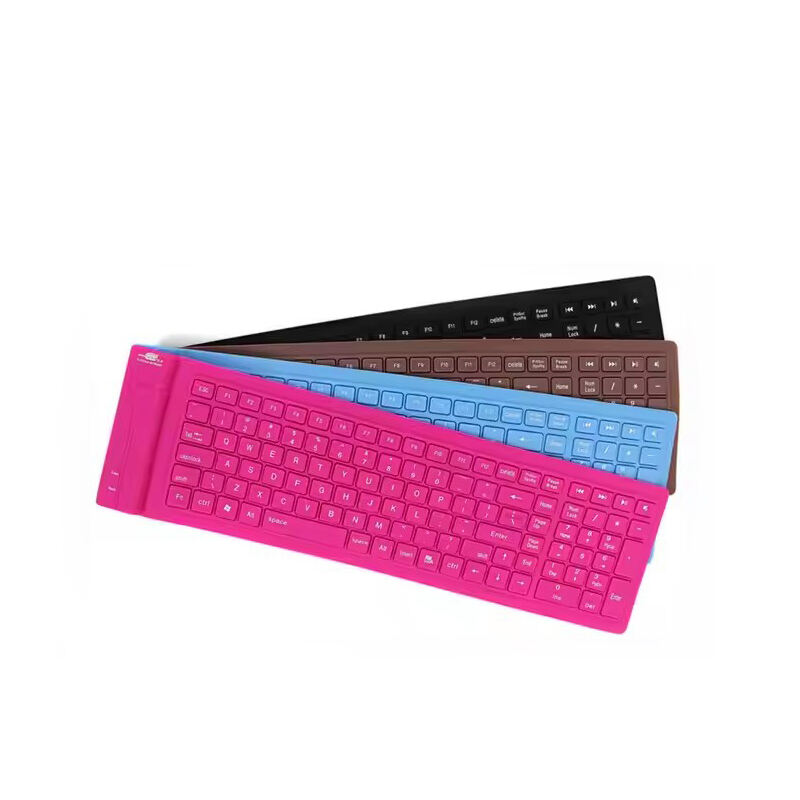
Superior Material Properties Fueling Electronics Innovation
Heat Resistance Mirroring Silicone Kitchen Utensils Safety
The ability of silicone to withstand temperatures as high as 500 degrees Fahrenheit has made it incredibly useful in making high performance electronics. Similar to why silicone works so well in kitchen tools that don't melt when exposed to heat, this same quality helps stop electronic components from getting too hot and lasting longer before they need replacing. Industry research shows that when manufacturers incorporate silicone materials, there's a noticeable drop in failures caused by excessive heat. This means safer products overall for consumers across different industries. As we continue developing new technologies that operate under intense heat conditions, what makes silicone great for cooking appliances is now becoming just as important in our phones, computers and other gadgets.
Electrical Insulation Comparable to Cooking Mold Precision
The amazing way silicone blocks electricity makes it really important for keeping electronic gadgets safe from short circuits. Think about how silicone molds help bakers get those perfect chocolate shapes every time they make desserts at home. Similarly, when used in electronics, silicone creates that protective barrier which keeps things working properly without risking damage. According to some recent studies across manufacturing sectors, this material has been changing how various products are made, from our everyday phones right up to big machines used in factories. The fact that these electronic components keep performing so consistently shows just how good silicone is at what it does, much better than most alternatives available today.
Flexibility Inspired by Durable Silicone Pet Accessories
Silicone pet stuff shows just how adaptable this material really is, which has caught the attention of electronic designers everywhere. Take those tough silicone dog food mats that survive countless meals and accidents, for instance. Electronics made with similar silicone materials can handle all sorts of stress without breaking down or losing their function over time. Some studies have pointed out that the bendy nature of silicone lets it work well in lots of different electronic gadgets, giving makers new ideas while still keeping things reliable. We're seeing this flexibility drive forward the whole field of bendable electronics these days. What started as simple pet toys and feeding mats is now influencing high tech stuff because manufacturers realize how useful silicone can be when making devices that need to flex but stay strong.
Technological Breakthroughs in Electronics Manufacturing
AI-Enhanced Production Processes
Bringing AI tech into electronics manufacturing has really changed how precise and efficient things are, similar to what happens when making those fancy silicone kitchen tools. When different parts of production get automated, mistakes drop off while accuracy goes way up, just like how careful craftsmanship makes good silicone spatulas last longer. These smart systems also work smarter, kind of like the energy saving approaches used in making quality silicone cookware, which cuts down on waste and helps protect our environment. Some numbers show that factories using AI often see their costs go down around 20%, which means better profits for them. Looking at both kitchens and electronic shops today, it's clear that this new approach creates production environments that save money without sacrificing sustainability.
Foldable Electronics Adopting Chocolate Mold Techniques
Foldable electronics represent something pretty big for device design these days, kind of like how chocolate makers rely on precise silicone molds to create those fancy shapes we see at patisseries. The whole thing with foldables needs materials that act similarly to those molds when making chocolates they need to bend without breaking but still hold their shape. We're seeing more people buy these foldable gadgets as time goes on, which means manufacturers have to get better at making them strong enough to last but flexible enough to fold without cracking. What's interesting is watching ideas from one industry jump into another, creating products that really grab attention while actually working well in real world situations.
EV Thermal Solutions Using Kitchen-Grade Heat Stability
Silicone's heat stability makes it really useful for electric vehicles, much like how we trust silicone spatulas not to melt when cooking. When applied to thermal management systems in EVs, silicone works similarly to those kitchen tools that last forever without breaking down. As more people start driving electric cars, companies are pouring money into these silicone-based cooling solutions. Some estimates suggest investment could hit over a billion dollars by mid-2020s. Why? Because drivers want their batteries to last longer and stay safe during operation. Looking at things this way, silicone isn't just important for our kitchens anymore it plays a critical part in keeping our next generation of vehicles running smoothly too.
Sustainability Driving Next-Gen Development
Recyclable Formulations Mirroring Eco-Friendly Utensils
The rise of recyclable silicone options shows just how far we've come with green innovations, especially when it comes to stuff like kitchen tools. For companies making gadgets and tech gear, cutting down on e-waste has become really important these days. That's why so many are starting to incorporate materials that can actually be recycled instead of ending up in landfills. What we're seeing here fits right into what people call the circular economy model, where keeping resources flowing makes business sense rather than just throwing things away after one use. Research suggests somewhere around 70 percent of shoppers prefer companies that put out environmentally friendly products, which tells us there's definitely money to be made in going green. When manufacturers switch to these new silicone materials for their electronics, they cut down on garbage while building stronger relationships with customers who care about sustainability. Just look at how well silicone cookware did once consumers realized it was better for the planet without sacrificing quality or performance.
Energy Efficiency Lessons from Food-Safe Production
Looking at how silicone is made for food safe products actually gives some pretty good ideas about making electronics manufacturing more energy efficient. When companies start using similar methods, they tend to see their operating costs go down while also shrinking their environmental impact. Take kitchenware manufacturers who work with silicone materials for example they often cut energy usage around 25% just by streamlining their production techniques. The savings aren't just money related either these changes help meet various green initiatives too. Electronics makers that borrow from this kind of approach typically find better control over their energy consumption patterns. This works out well for everyone involved cleaner air quality and healthier bottom lines at the same time.
Non-Toxic Standards Aligning with Cooking Safety
Silicone has become popular in kitchens because it meets strict non-toxic standards for cookware and utensils, and this reputation transfers well to electronics too. When manufacturers follow safety rules that keep harmful substances out of their products, people who care about their health feel much better about buying them. Recent studies by groups like the Consumer Product Safety Commission show that more folks want their gadgets made with materials that won't leach toxins over time. For companies looking to expand their customer base, matching kitchen-grade safety standards makes good business sense. The market is clearly moving toward safer options, so adapting production methods accordingly helps brands stay competitive while addressing real consumer concerns about product reliability.
Market Growth and Emerging Applications
Smartphone Integration Mimicking Utensil Ergonomics
Phone makers are starting to look at silicone kitchen gadgets for ideas on making phones easier to hold and use comfortably. Think about how spatulas and ladles bend without breaking when they hit hot pots - manufacturers want something similar for our hands gripping small screens all day long. The latest models come with textured backs, curved edges, and buttons placed where fingers naturally fall during calls or scrolling through social media feeds. Companies report better reviews from customers after introducing these changes, plus folks tend to keep their phones longer too. Market research shows that people who care about posture and hand strain especially gravitate toward phones designed with ergonomics in mind, looking for that smooth feel while texting or gaming throughout the day.
Wearables Borrowing from Pet Mat Durability Concepts
Silicone pet mats have some seriously tough properties that designers are now borrowing for wearable tech, making these gadgets last longer and work better in real life situations. Think about those rubbery dog food mats that somehow survive years of paw traffic, spills, and whatever else pets can throw at them. Wearable manufacturers are applying similar principles to create devices that stand up against everyday knocks and bumps. People want their fitness trackers and smartwatches to keep working reliably without breaking down after a few months. Market analysts predict the wearable tech sector might hit around $60 billion by 2025, which shows just how important material durability has become as consumers demand products that actually stick around long enough to be useful.
Global Adoption Patterns and 2030 Projections
Looking at what's happening around the world shows that silicone-based electronics are becoming much more common. Industry predictions point to roughly 25% growth each year until 2030 in this particular market segment, which means companies need to pay attention to how people are starting to adopt these new silicone technologies. For manufacturers wanting to stay ahead of the curve, tracking these trends makes sense when thinking about what products to develop next and where to position themselves competitively. The rising interest isn't just good news for investors looking for returns on their money either it actually pushes the entire industry forward, helping create better products across many different sectors from healthcare devices to consumer gadgets we use daily.