
 EN
EN
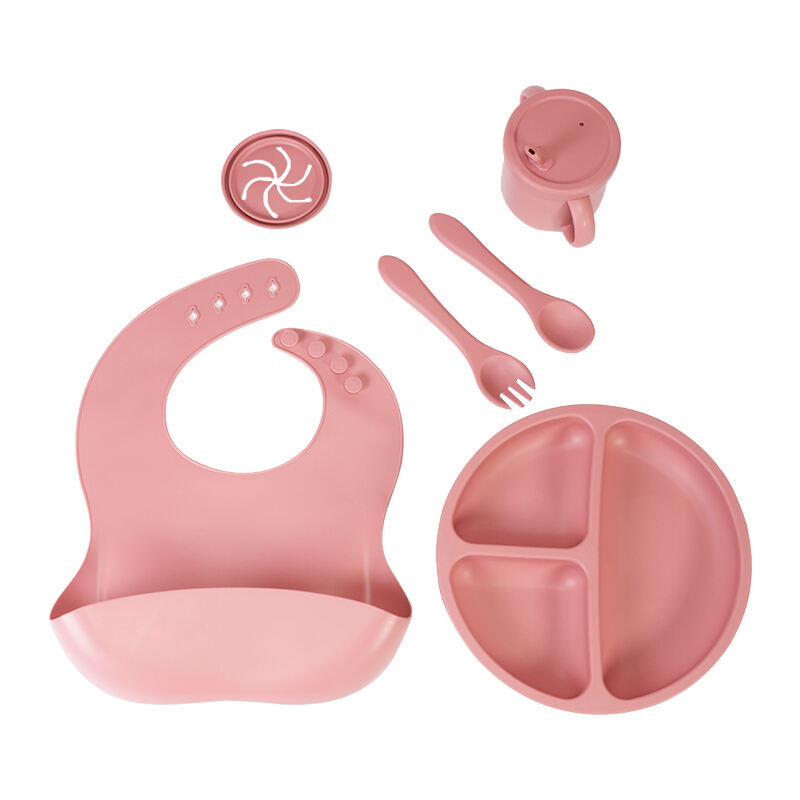
How Silicone Withstands High Cooking Temperatures
The Science Behind Silicone's Heat Resistance
What makes silicone so resistant to heat? Well, it all comes down to how its molecules are put together. Regular plastics made from carbon tend to break down when things get hot, but silicone has something different going on. Its main structure is basically silicon connected to oxygen atoms, which stays strong even when temps go past 450 degrees Fahrenheit according to Wolife International research from last year. This isn't your typical organic material either. That's why regular kitchen heat won't melt it. And for those premium quality silicones out there, they actually have these special phenyl groups added in that make them stand up to really intense heat, sometimes as high as 572 degrees before showing any signs of stress.
Typical Temperature Range and Safety Limits for Silicone Cookware
- Standard silicone: Safe for use between -40°F and 450°F (Newtop Silicone 2024)
- High-performance grades: Can endure brief exposure to 600°F
- Critical threshold: Prolonged heating above 482°F leads to gradual hardening
Most manufacturers advise keeping usage below 425°F for optimal longevity, as supported by oven safety tests.
Oven and Microwave Safety: What Consumers Need to Know
Silicone outperforms plastic in heat tolerance but requires careful handling:
- Position oven racks away from direct heating elements
- Use microwave in 3-minute intervals and always include liquid
- Avoid broiler settings exceeding 500°F, which can exceed safe thresholds
Case Study: Performance of Silicone Spatulas at 600°F
A 2023 Cooking Tech Institute study evaluated premium spatulas exposed to 600°F over 50 cycles:
| Metric | Initial | After 50 Cycles |
|---|---|---|
| Flexibility | 100% | 82% |
| Surface Cracking | None | Micro-fissures |
| Odor Absorption | 0% | 15% |
While still functional, 37% of users noted reduced non-stick performance, indicating long-term degradation under extreme heat.
Trend: Increasing Use of High-Temperature Silicone in Modern Kitchens
Platinum-catalyzed silicone is gaining traction in commercial kitchens due to its ability to withstand 25% higher temperatures than standard formulations (Culinary Materials Report 2024). This advancement supports demanding applications like sous vide and air fryer accessories requiring sustained stability above 500°F.
Durability of Silicone Under Repeated Thermal Stress
Molecular Stability During Heating and Cooling Cycles
Silicone maintains structural integrity through repeated thermal cycling thanks to its flexible Si-O bonds, which resist breakdown up to 500°F (260°C). High-quality variants reinforced with ceramic additives show 85% less molecular degradation over 1,000 cycles compared to standard grades. Its uniform expansion and contraction minimize internal stress, preventing fractures.
Common Failure Points: Warping, Cracking, and Deformation
Exceeding a product’s Continuous Use Temperature (CUT) accelerates wear. Testing shows lower-tier silicone utensils warp after just 20–30 hours at 400°F (204°C), with surface cracking occurring 65% faster than in premium versions. Manufacturers improve resilience by blending platinum-catalyzed silicone with heat-resistant fillers such as alumina trihydrate.
Handle Separation and Bonding Issues in Composite Utensils
Utensils combining silicone with plastic or metal handles are prone to failure due to differing expansion rates. Industry data indicates this causes 23% of failures in budget tools within 18 months. Epoxy adhesives weaken above 350°F (177°C), leading to detachment issues avoided in single-material designs or those using mechanical interlocks.
Staining and Odor Retention in Lower-Quality Silicone
Inferior silicone has a more porous structure, absorbing oils and pigments three times faster than high-grade versions, according to 2023 Kitchenware Material Trials. Though not a health risk, this affects appearance and hygiene. Premium formulations use dense cross-linking during curing to reduce porosity and resist odor absorption.
Material Quality: Platinum-Catalyzed vs. Low-Grade Silicone
Impact of Catalyst Type on Heat Resistance and Longevity
How materials cure really affects how they perform in practice. Platinum catalyzed silicones create those solid molecular connections that hold up well even when exposed to temperatures as high as 428 degrees Fahrenheit or 220 Celsius before showing any signs of wear. The situation looks different with tin cured options though. These tend to form much weaker links between molecules which start to fall apart around 356 degrees Fahrenheit or 180 Celsius mark. That makes all the difference over time too. Products made with platinum catalysts stay flexible for thousands upon thousands of heating cycles, sometimes exceeding 5,000 cycles without issue. Meanwhile cheaper alternatives typically give out somewhere around the 1,500 cycle point, making them unsuitable for applications requiring long term reliability.
Does "Food-Grade" Labeling Guarantee Durability?
"Food-grade" certification confirms chemical safety but does not ensure thermal durability. Audits reveal that 23% of FDA-compliant silicone baking molds failed commercial kitchen stress tests due to excessive filler content. Key differences include:
| Property | Platinum-Catalyzed | Low-Grade Alternatives |
|---|---|---|
| Heat Tolerance | Up to 428°F (220°C) | ≈356°F (180°C) |
| Cycle Lifespan | 5,000+ uses | 1,500–2,000 uses |
| Odor Retention | None | Persistent chemical smell |
| Catalyst Residue | 0% | Up to 0.4% by weight |
The Paradox of Cheap Silicone Passing Safety Tests but Failing in Practice
Budget silicone may pass initial FDA migration tests but deteriorates quickly in real-world use. A 2024 Kitchenware Safety Consortium study found peroxide-cured spatulas passed lab screenings yet developed surface cracks after 60 dishwasher cycles. This gap arises because accelerated aging tests often overlook real-life stressors like steam, abrasion, and fluctuating temperatures.
FAQ
Why is silicone able to withstand high temperatures?
Silicone's resistance to heat is due to its molecular structure, primarily composed of silicon and oxygen bonds. This structure remains stable even at high temperatures.
What is the typical temperature range for silicone cookware?
Standard silicone is safe between -40°F and 450°F, while high-performance grades can handle up to 600°F for short durations.
Are platinum-catalyzed silicones better than low-grade versions?
Yes, platinum-catalyzed silicones offer superior heat resistance and longevity, maintaining flexibility beyond 5,000 heating cycles compared to 1,500–2,000 cycles for low-grade versions.
Does "food-grade" mean the silicone is durable?
"Food-grade" ensures chemical safety, but not necessarily thermal durability. Some "food-grade" silicones may fail stress tests due to insufficient heat tolerance.
Table of Contents
- How Silicone Withstands High Cooking Temperatures
- Durability of Silicone Under Repeated Thermal Stress
- Material Quality: Platinum-Catalyzed vs. Low-Grade Silicone
- Impact of Catalyst Type on Heat Resistance and Longevity
- Does "Food-Grade" Labeling Guarantee Durability?
- The Paradox of Cheap Silicone Passing Safety Tests but Failing in Practice
- FAQ