
 EN
EN
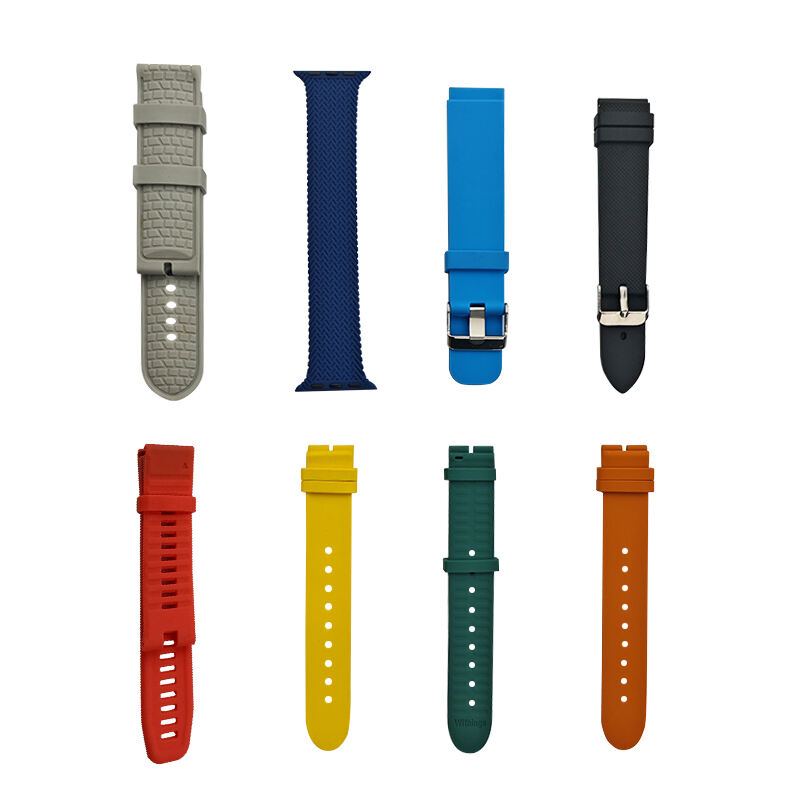
Flexible and Stretchable Electronics Enabled by Advanced Silicone Materials
The Role of Liquid Silicone Rubber (LSR) in Flexible Circuits
Liquid silicone rubber or LSR is now widely used in flexible circuits because it stretches really well (about 500% strain recovery) and stays stable even when temperatures swing from minus 50 degrees Celsius all the way up to 200 degrees. What makes this material so special is how runny it is, which lets manufacturers mold it into those tiny circuit shapes needed for things like connectors in foldable displays and those bendy parts we see on modern smartphones. A recent paper published last year in Advanced Materials Engineering showed something interesting too. These circuits made with LSR only changed their electrical resistance by less than 5% after being bent over 100 thousand times. That kind of performance means they can last much longer without failing compared to other materials currently available.
Advancements in Stretchable Conductive Traces Embedded in Silicone
New hybrid conductive materials like silver flake doped silicones can now reach conductivities around 3500 S/cm and stretch to three times their original length before breaking. These special conductive paths are what makes possible those sticky skin sensors that track muscle movements when someone is working out, all while maintaining strong signals even through intense motion. The latest laser deposition methods let researchers create conductive lines just 15 micrometers wide inside silicone bases. That's pretty impressive considering this represents about a 60 percent shrink in feature sizes compared to what was possible back in 2021. Such tiny features open the door for much better resolution in how we integrate these sensors onto surfaces.
Case Study: Silicone-Based Skin-Like Sensors for Health Monitoring
A recent study looked at 200 people suffering from long term breathing issues and found something interesting about those super thin silicone sensors measuring just 0.8mm thick. They were actually pretty amazing for tracking breath all day every day, hitting an impressive 98.3% accuracy rate. That's way better than the old school rigid electrodes which only managed around 75%. According to last year's big report on wearable health tech stuff, what makes these new sensors work so well is how they let gases pass through the material. This feature stops skin problems from developing when someone wears them for seven whole days straight. Makes sense why doctors are getting excited about this technology for patients who need ongoing care but can't always make it into clinics.
Trend Toward Self-Healing Silicone Composites in Wearable Electronics
Silicones that can fix themselves thanks to those dynamic disulfide bonds are pretty amazing stuff. They actually mend 2mm cuts all by themselves in just about 40 minutes when kept at normal room temps, which makes them super useful for things like smartwatch straps and parts of AR/VR headsets. The numbers tell quite a story too. Companies making products with this self-healing material see around half as many warranty issues as they did before switching from regular silicone. That's a huge difference in terms of both product longevity and what it costs businesses over time, especially considering how often people use gadgets these days.
Challenges in Maintaining Electrical Integrity During Mechanical Deformation
Most stretchable silicone materials still lose over 20% conductivity once they get stretched past about 250% elongation, despite all the fancy new formulas out there. Researchers published something interesting in Nature Electronics last year pointing out that these conductivity issues mainly come from tiny cracks forming in the conductive particles inside. Some pretty cool new approaches are coming through though, using those fractal patterns we see in nature to design traces that spread out stress better across the material surface. These designs can cut down on strain concentration points by around 70%. The catch? Manufacturing at scale becomes really complicated because of how intricate these patterns need to be. Many companies are wrestling with this right now as they try to move from lab samples to actual production runs.
Thermal Management Breakthroughs with Functional Silicone Materials
High Thermal Conductivity Silicone Grease (3 W/m·K) for Power Electronics
Power electronics today deal with incredibly high heat levels that can go beyond 300 watts per square centimeter, which means we need really good thermal interface materials to handle this. The latest silicone greases on the market are hitting thermal conductivity numbers around or above 3 W per meter Kelvin thanks to better formulations with boron nitride and alumina fillers. These new materials transfer heat about four times better than old school zinc oxide compounds did back in the day. Labs run by top researchers have tested these greases and found they cut down hot spot temps between 18 to maybe even 22 degrees Celsius in those IGBT modules. This kind of improvement actually translates to roughly thirty percent longer life when it comes to power cycling for these components.
Silicone Gap Fillers in 5G Base Station Heat Dissipation Systems
The millimeter wave arrays used in 5G tech create pretty intense heat spots, sometimes reaching around 150 watts per square centimeter. This means we need special gap fillers that can actually adapt to those tiny surface bumps less than 50 micrometers apart. These phase change silicone composites work really well because they keep good pressure contact above 15 pounds per square inch even when temperatures swing wildly between minus 40 degrees Celsius and plus 125 degrees. They handle those alignment problems so common in big MIMO antenna setups. Looking at actual field tests in city environments shows something interesting too. The thermal resistance from component junctions to ambient air drops about a quarter when using these materials instead of regular graphite sheets. That makes a big difference for how long systems last before needing maintenance or replacement parts.
Controversy Analysis: Silicone vs. Graphene-Based Thermal Interface Materials
Graphene enhanced TIM materials theoretically offer thermal conductivities as high as 1500 W/mK, but practical applications face challenges from interfacial contact resistance and oxidation problems when exposed to humid conditions above 80% relative humidity. Research published in Advanced Materials last year showed that silicone composite materials maintained about 92% of their original thermal efficiency even after going through 5000 cycles of humidity and freezing tests. That's quite impressive compared to graphene options which only kept around 67% effectiveness under similar conditions. And when we factor in the natural electrical insulation properties these materials possess (with CTI ratings over 600 volts), it becomes clear why many engineers prefer silicone for critical electronic systems, even though it doesn't match the highest conductivity numbers on paper.
Optical-Grade Silicone in Next-Gen Display and Lighting Technologies
High Light Transmittance Silicone for Mini LED Packaging
Silicones rated for optical clarity with around 92% visible light transmission have become a must-have component in mini LED packaging these days. They allow manufacturers to create displays that are not only thinner but also deliver much better brightness across the entire screen surface. What makes these materials stand out is their ability to reduce light scattering issues without compromising on structural strength when temperatures rise during operation. According to recent research from the 2023 Mini LED Packaging Study, UV stable versions show minimal color degradation too, with less than 2% yellowing even after spending 1,000 hours under accelerated aging tests. This performance makes them ideal choices for applications where exposure to sunlight is common, such as in car entertainment systems or those fancy foldable phones that people keep folding and unfolding all day long.
Adjustable Refractive Index in Optical Silicone Enhances Display Efficiency
Silicones engineered with adjustable refractive indices ranging from 1.41 to 1.53 help reduce those pesky Fresnel reflections that happen where materials meet. The result? Manufacturers see about an 18% boost in how much light gets extracted from micro LED arrays when compared against regular encapsulants on the market today. When the refractive index of these semiconductor layers matches up nicely with the optical silicone used, companies get better light output while still keeping their products thermally stable and physically flexible enough for real world applications.
Industry Paradox: Balancing Clarity and Durability in Transparent Silicones
Although lab-grade silicones can achieve 94% light transmittance, commercial versions often trade clarity for durability—scratch-resistant fillers typically reduce transparency by 6–8%. New nano-scale surface treatments now preserve >90% transmittance while tripling abrasion resistance, a critical advancement for AR/VR lenses and outdoor digital signage exposed to environmental wear.
Smart Integration and IoT Compatibility in Silicone Electronics Accessories
The flexibility of silicone makes it possible to integrate all sorts of working parts right into bendable structures. Temperature sensors built into these materials keep their accuracy within half a degree Celsius even after being bent fifty times. Meanwhile, early versions of fitness trackers using motion detection have hit nearly perfect recognition rates at 98%. This kind of performance holds up well when things are moving around constantly. What this means for actual applications is pretty straightforward: we can now collect good quality data from stretchy IoT sensor setups without having to worry about them breaking down mechanically under normal use conditions.
Wireless charging compatibility has been enhanced through silicone encapsulation, with recent prototypes achieving 84% efficiency through 3mm-thick casings. During 15W fast-charging sessions, heat remains below 40°C, according to 2023 Wireless Power Consortium data. This thermal stability makes silicone ideal for smartwatch bands and medical wearables requiring frequent sterilization.
The market is clearly moving forward with smart silicone wearables seeing about a 25% growth each year as people get more interested in their health. According to recent findings from MarketsandMarkets in 2024, nearly two thirds of all users want their fitness gadgets to constantly track vital signs. Top companies in the field have started putting together devices that include biocompatible SpO2 sensors along with skin conductance monitors. These products use medical grade silicone materials that meet ISO 10993-5 requirements specifically designed for long term wear against the skin without causing irritation or discomfort. This combination of advanced technology and skin friendly materials makes these wearable devices both effective and comfortable for daily use.
Customization and Manufacturing Evolution in Silicone Electronics Accessories
3D Printing of Custom-Fit Silicone Electronics Accessories
The world of silicone electronics has seen some major changes thanks to additive manufacturing techniques that can create body-shaped parts down to half a millimeter accuracy. With dual material 3D printing, companies now combine hard circuits areas with those nice soft touch surfaces patients actually want to wear next to their skin. This is especially helpful when making wearable devices that work inside MRI machines without causing interference. According to folks in the business, prototype development times have dropped by around 87 percent since switching from old school mold methods, something confirmed in last year's Custom Silicone Applications Report. Plus these new products still meet those important IP67 water resistance standards needed in hospitals where things get pretty damp sometimes.
Mass Personalization Trends in Consumer Electronics Using LSR Molding
Recent improvements in LSR injection molding are making it possible to produce highly personalized products thanks to AI controlled molds and real time adjustments to how runny the silicone stays during processing. Take one major smartwatch brand as an example they can churn out around 150 different colors with varying firmness levels from soft to medium hard (about 50 to 80 on the Shore A scale) all within the same batch. Consumers want their gadgets to look unique these days, so this kind of customization fits right into what people are asking for. Plus, manufacturers still manage to keep those important UL94-V0 fire safety standards intact for wearables. Industry reports suggest this technique cuts down on wasted materials by roughly a third. Still, getting complicated parts made under 60 seconds per cycle continues to be something manufacturers struggle with despite all these advancements.
FAQs
What makes liquid silicone rubber (LSR) ideal for flexible circuits?
LSR is ideal for flexible circuits due to its excellent stretchability (around 500% strain recovery) and thermal stability, maintaining performance across temperatures ranging from -50°C to 200°C.
What are the benefits of silicone-based skin-like sensors for health monitoring?
Silicone-based skin-like sensors offer benefits such as high accuracy rates (98.3% compared to 75% for rigid electrodes), breathability, and reduced skin irritation, making them suitable for long-term monitoring.
Why is thermal management important in silicone electronics?
Thermal management is crucial because silicone electronics often encounter high heat levels; effective thermal management materials, like advanced silicone greases, can enhance device longevity and performance.
How does silicone contribute to IoT compatibility in electronics?
Silicone’s flexibility allows for the seamless integration of components like temperature and motion sensors, enabling reliable data collection in IoT devices without mechanical failure risks.
How has 3D printing influenced the manufacturing of silicone electronics?
3D printing has revolutionized silicone electronics manufacturing by enabling customized, body-shaped parts with high accuracy and reducing prototype development times by approximately 87%.
Table of Contents
-
Flexible and Stretchable Electronics Enabled by Advanced Silicone Materials
- The Role of Liquid Silicone Rubber (LSR) in Flexible Circuits
- Advancements in Stretchable Conductive Traces Embedded in Silicone
- Case Study: Silicone-Based Skin-Like Sensors for Health Monitoring
- Trend Toward Self-Healing Silicone Composites in Wearable Electronics
- Challenges in Maintaining Electrical Integrity During Mechanical Deformation
- Thermal Management Breakthroughs with Functional Silicone Materials
- Optical-Grade Silicone in Next-Gen Display and Lighting Technologies
- Smart Integration and IoT Compatibility in Silicone Electronics Accessories
- Customization and Manufacturing Evolution in Silicone Electronics Accessories
-
FAQs
- What makes liquid silicone rubber (LSR) ideal for flexible circuits?
- What are the benefits of silicone-based skin-like sensors for health monitoring?
- Why is thermal management important in silicone electronics?
- How does silicone contribute to IoT compatibility in electronics?
- How has 3D printing influenced the manufacturing of silicone electronics?