
 EN
EN
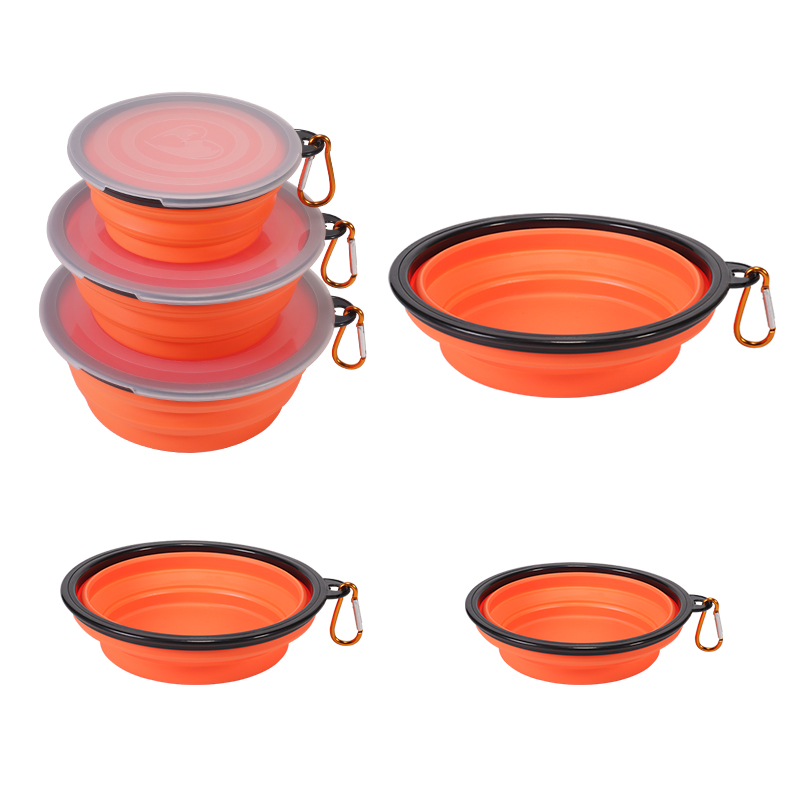
Rising Demand for Safe and Non-Toxic Silicone Pet Products
Consumer Shift Toward Safe Pet Supplies: Why Health Concerns Drive Silicone Adoption
People have become much more aware lately about chemicals leaking out from plastic and rubber stuff made for pets. Since around 2021 we've seen demand for safer options jump by about 60 percent according to the Pet Safety Alliance report from last year. More and more dog and cat parents are going for silicone products these days because they worry about harmful substances like BPA, those phthalate chemicals, and various heavy metals found in regular materials. Take a look at what happens at stores - almost half of shoppers will actually check for the food grade label before purchasing anything from chew toys down to water bowls for their furry friends.
Safety Certifications Explained: FDA, LFGB, and Food-Grade Standards for Silicone Pet Products
Reputable manufacturers validate safety through three key certifications:
- FDA Compliance: Ensures silicone withstands repeated food contact without degradation.
- LFGB Certification: Europe’s rigorous standard tests material migration under extreme heat.
- Food-Grade Silicone: Guarantees absence of petroleum-based additives and heavy metals.
Products meeting these benchmarks reduce risks of allergic reactions or digestive issues by 89% compared to uncertified alternatives.
Inherent Safety of Silicone: Hypoallergenic, BPA-Free, and Chemically Stable Materials
Silicone maintains structural integrity between -40°F and 446°F, unlike plastics that degrade into microplastics. Its non-porous surface inhibits bacterial growth, while medical-grade biocompatibility minimizes allergy risks—a critical factor for 23% of pets with sensitive skin (Veterinary Dermatology Journal, 2022). These properties make it inherently safer than conventional materials.
Greenwashing vs. Genuine Safety: How to Identify Trustworthy Claims in the Market
Look for third-party lab reports verifying chemical composition, as 31% of "eco-friendly" pet products contain undisclosed plasticizers. Authentic silicone items will specify platinum-cured manufacturing processes and pass ISO 10993 biocompatibility tests—key indicators of true safety and quality.
Durability and Performance Advantages Over Traditional Materials
Longevity of Silicone Under Daily Wear: Resistance to Chewing, UV, and Extreme Temperatures
Silicone holds up when other materials fall apart. According to research published in 2022 by the Pet Product Safety Council, silicone pet toys can handle about three times the bite force compared to their rubber counterparts. These same toys showed zero signs of tearing even after being used every day for a whole year. Regular plastic tends to crack when exposed to sun, while standard rubber just gets dry and falls apart over time. But silicone stands up against UV rays without losing its stretchiness, working reliably from freezing cold at minus 40 degrees Fahrenheit all the way up to scorching heat around 450 degrees. That makes silicone a great choice for things like outdoor pet feeders and those cooling mats pets love to lie on during hot weather.
Silicone vs. Plastic and Rubber: Why It Outperforms in Strength and Resilience
| Material | Deformation Resistance | Heat Tolerance | Chew Recovery | Odor Retention |
|---|---|---|---|---|
| Silicone | High | Extreme | Full | Low |
| Plastic | Low (cracks under stress) | Moderate | None | High (porous) |
| Rubber | Moderate | Limited | Partial | Moderate |
Silicone’s cross-linked polymer structure prevents permanent indentations from aggressive chewers—a common failure point in plastic bowls and rubber toys. While traditional rubber loses 43% of its tensile strength after 200 flex cycles (Material Science Journal, 2021), food-grade silicone retains 98% resilience even after repeated dishwasher sterilization.
Case Study: Silicone Chew Toys Versus Traditional Rubber Alternatives
An independent 2023 trial involving 500 dogs over six months showed silicone chew toys delivered significant advantages:
- 85% less surface wear from prolonged chewing
- Zero bacterial growth versus rubber’s 62% contamination rate
- 72% higher owner satisfaction due to odor resistance and stain-proof surfaces
Veterinarians note that silicone’s non-porous texture prevents saliva buildup in grooves, reducing infection risks associated with rubber puzzle toys.
Hygiene and Practical Benefits Enhancing Owner Experience
Easy Maintenance: Dishwasher-Safe, Odor-Resistant, and Antimicrobial Properties of Silicone
Silicone makes pet care easier when it comes to keeping things clean. The material doesn't absorb germs the way plastic or fabric does, cutting down on bacteria buildup by around 95% according to lab tests. Most silicone products can go right into the dishwasher so owners don't have to spend time scrubbing by hand. They also resist odors better than other materials, which means no more unpleasant smells hanging around after feeding time or from pet saliva. Some higher quality options actually contain special ingredients that stop mold and mildew growth, giving pet parents peace of mind about cleanliness without resorting to strong chemical cleaners.
Common Hygiene-Focused Applications: Silicone Bowls, Feeding Mats, and Interactive Feeders
These benefits make silicone ideal for high-contact pet supplies:
- Bowls: Smooth surfaces prevent food residue buildup, lowering contamination risk
- Mats: Spill-proof designs with antimicrobial coatings simplify cleanup after messy meals
- Feeders: Textured slow-feed surfaces can be fully sterilized, preventing bacterial cross-contamination
By combining practicality with infection control, silicone meets rising demand for low-maintenance, health-conscious solutions.
Design Innovation Expanding Use in Premium Silicone Pet Products
Functional and Portable Designs: Collapsible Bowls, Travel Mats, and On-the-Go Solutions
Companies are getting creative with storage solutions for people always on the go. Take those silicone bowls that squish down to about an inch thick so they fit anywhere in a backpack, or the rubbery travel mats that roll up small enough to toss in any bag. The market for these kinds of products has exploded recently too. According to Future Market Insights from last year, there's been nearly a 60% jump in folks wanting portable stuff for their pets since 2021. Makes sense really when you think about city dwellers who want to take their furry friends everywhere but still need things that won't take up half their apartment space. Safety remains important though, which is why manufacturers keep working on designs that hold up during adventures without compromising quality.
Popular Product Categories: Chew Toys, Lick Mats, and Enrichment Tools
Silicone’s durability supports high-engagement products:
- Slow-feeder lick mats resist tearing from persistent licking
- Textured teething aids soothe puppy gums while remaining hygienic
- Puzzle toys with treat compartments endure repeated chewing and bending
Trend Analysis: How Aesthetic and Functional Innovation Drives Premiumization
More people want their pets to enjoy products that look good enough for humans too, which has led manufacturers to create items where style meets usefulness. These days we see vibrant color schemes alongside comfortable shapes that actually work well for animals while still standing up to heat and being safe in dishwashers. A study from Future Market Insights back in 2023 found something interesting: nearly half (around 42%) of consumers hunt specifically for those cute little things that look great on social media feeds but also engage all senses when pets interact with them. And guess what? Companies can charge anywhere between 20% and maybe even 35% extra for these fancier options compared to run-of-the-mill alternatives on store shelves.
Market Growth and Sustainability Outlook for Silicone Pet Products
Global Market Trends: Size, Growth Projections, and Key Drivers
The market for silicone-based pet products is growing right along with the overall pet industry boom. According to Future Market Insights from 2025, the worldwide pet toy market should hit around $8.6 billion by 2035, climbing at about 7.9% each year. What makes silicone stand out? It works great for all sorts of items from chew toys to food dispensers and even grooming gadgets. This has made it a go-to material for higher end products such as those fancy automatic feeders and specially designed ergonomic accessories. More people have extra money to spend these days, and interestingly enough, nearly three quarters of millennial pet owners really care about getting stuff that lasts longer according to Market.us data from 2024. All these factors together are pushing more consumers toward silicone options for their furry friends.
Sustainability Debate: Recyclability and Environmental Impact of Non-Biodegradable Silicone
Silicone might not break down naturally, but it does last much longer than most plastics which makes it better for reducing waste overall. We're talking about 5 to 7 years versus just 6 months to a year for regular plastic stuff. The problem comes when we want to recycle it later on since there aren't many facilities set up for this material yet. However, companies like XYZ and ABC have started collecting old silicone products and turning them into things like park benches or insulation materials. There's also some interesting movement happening at the policy level too. California recently passed laws requiring that 30 percent of materials used in pet products must come from recycled sources by the end of next decade. This kind of regulation could really push the industry toward more sustainable practices if enough states follow suit.
Consumer Demand for Eco-Conscious Yet Durable Pet Supplies Shaping Industry Direction
More and more pet owners are looking for stuff that works well but doesn't hurt the planet too much. According to a recent 2024 poll, around two thirds of folks buying pet products care deeply about getting materials strong enough for tough chewers yet still eco friendly. That's why we see so many high end pet toys made from silicone these days. The material holds up amazing against those destructive jaws and lasts way longer than cheaper alternatives. Plus, since they don't need replacing as often, this helps cut down on waste over time. For companies aiming at both durability and green credentials, silicone just makes sense all around.
FAQ
What makes silicone pet products safer than those made of plastic or rubber?
Silicone pet products are free from harmful substances like BPA and phthalates and offer hypoallergenic properties, making them safer for pets, especially those with sensitive skin.
How can I ensure a silicone pet product is genuinely safe?
Look for certifications like FDA compliance, LFGB certification, and confirmation of food-grade standards. These indicate the product is free from harmful additives and tested under strict safety protocols.
Are silicone pet products environmentally friendly?
While silicone is not biodegradable, its durability means less frequent replacements, reducing waste over time. However, limited recycling facilities for silicone are currently a challenge.
What are the advantages of silicone over plastic or rubber in pet products?
Silicone offers higher resistance to heat, UV, and chewing. It also doesn't retain odors and is easier to clean, thus providing a more practical option for pet owners.
Table of Contents
-
Rising Demand for Safe and Non-Toxic Silicone Pet Products
- Consumer Shift Toward Safe Pet Supplies: Why Health Concerns Drive Silicone Adoption
- Safety Certifications Explained: FDA, LFGB, and Food-Grade Standards for Silicone Pet Products
- Inherent Safety of Silicone: Hypoallergenic, BPA-Free, and Chemically Stable Materials
- Greenwashing vs. Genuine Safety: How to Identify Trustworthy Claims in the Market
- Durability and Performance Advantages Over Traditional Materials
- Hygiene and Practical Benefits Enhancing Owner Experience
- Design Innovation Expanding Use in Premium Silicone Pet Products
- Market Growth and Sustainability Outlook for Silicone Pet Products
- FAQ