
 EN
EN
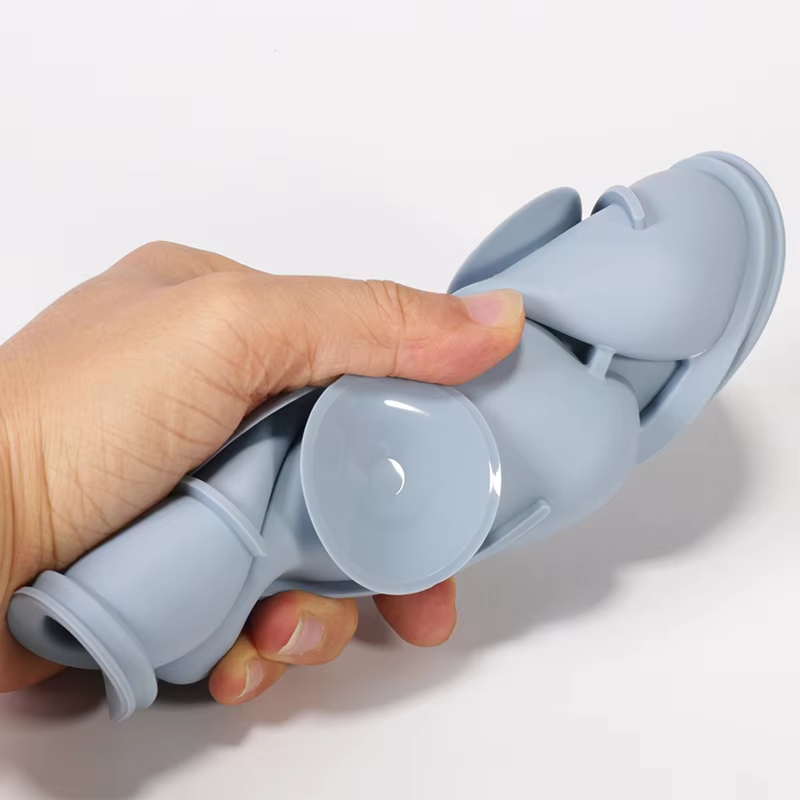
Understanding the Impact of Sunlight on Silicone Material Structure
When we talk about how stable silicone molecules are, scientists actually test this by exposing them to UV light for long periods in what's known as photo-oxidation testing. According to some recent studies in polymer chemistry from Springer in 2023, UV rays tend to break those important cross links between the silicon and oxygen atoms in the material. This creates these little unstable particles called free radicals which eventually weaken the material's strength. What makes silicone different from regular rubber is its basic structure. Since it's made up of inorganic materials rather than organic ones, it doesn't fall apart completely when exposed to sunlight. However, there still happens something at the surface level where these molecular chains get cut apart. That explains why outdoor sports equipment made with silicone keeps its overall shape pretty well even after months outside, but starts showing tiny cracks on the surface as time goes on.
Common Degradation Signs: Discoloration, Cracking, and Loss of Elasticity
Three telltale markers reveal UV damage in silicone sport products:
- Yellowing/Graying: Surface oxidation alters light refraction, causing color shifts in 78% of cases after 500+ sunlight hours
- Edge Cracking: Stress concentration points fail first, with elasticity dropping 85% in high-flex zones (e.g., watchband clasps)
- Hardening: Plasticizer depletion creates a brittle feel, reducing impact absorption by 40% in trail-running grips
Case Study: Performance of Silicone Wristbands in High-UV Climates
A 12-month field study of 1,200 athletic wristbands in Arizona (UV index ≥11 for 150 days/year) revealed critical thresholds:
| Exposure Duration | Failure Rate | Primary Issue |
|---|---|---|
| 3 months | 12% | Color fading |
| 6 months | 34% | Elasticity loss |
| 12 months | 67% | Brittle fractures |
Products exceeding 6-month outdoor use without UV-stabilizing additives showed irreversible performance decline, validating the need for advanced formulation in sports-grade silicones.
The Science Behind Silicone’s UV and Aging Resistance
What makes silicone so resistant to UV damage and aging? Look no further than its special chemical makeup. The way silicon and oxygen atoms alternate creates this really stable backbone structure that actually bounces back UV rays instead of soaking them up. Pretty clever stuff if you ask me. According to research published last year on polymer durability, high quality silicone maintains around 91% of its original strength even after sitting in direct sunlight for 18 whole months. That's pretty impressive when compared to natural rubber which loses almost twice as much strength under similar conditions.
Molecular Stability of Silicone Polymers Under Prolonged UV Exposure
Silicone polymers have these special Si-O bonds that need about 25 percent extra energy to break compared to regular carbon-carbon bonds found in typical rubber materials. And this makes all the difference because it stops those pesky chain breaks that usually happen when materials degrade under UV light exposure. Plus, when silicones are cross linked into networks, they really stand up against free radicals forming. What does this mean practically? These materials stay flexible even when temperatures swing wildly between super cold minus 40 degrees Fahrenheit right up to blistering hot 400 degrees Fahrenheit (which is roughly minus 40 to 204 degrees Celsius). That kind of thermal resilience explains why silicones perform so well in extreme conditions where other materials would fail catastrophically.
Role of Additives and Fillers in Enhancing UV and Aging Resistance
When manufacturers blend titanium dioxide (TiO₂) and cerium oxide (CeO₂) nanoparticles into silicone composites, they get significantly better UV reflection properties. Tests conducted under controlled conditions indicate that when the concentration reaches around 2%, UVB penetration drops dramatically - down to just 13% passing through. What's interesting is that this enhanced protection doesn't compromise the material's ability to stretch and return to shape as it should. For even greater durability, some companies mix these compounds with what's called hindered amine light stabilizers (HALS). These additives work at the surface level to neutralize harmful oxidants. Products treated this way tend to last much longer in harsh environments like mountainous regions or deserts, where exposure to extreme conditions typically shortens service life. Field data suggests such treatments can extend product lifespan anywhere from three to five additional years in these challenging settings.
Advancements in Anti-Aging Formulations for Silicone Sport Products
Leading manufacturers now integrate self-healing silicones with microencapsulated healing agents that activate under UV stress. A 2024 field trial demonstrated these formulations reduce crack propagation by 72% in watch straps exposed to equatorial sunlight. Hybrid silicones with graphene reinforcement are also emerging, offering 99.7% UV blocking without compromising grip or tactile feedback.
Durability and Weather Resistance of Silicone in Real-World Athletic Use
Field Testing Results: Long-Term Performance in Outdoor Sports Environments
Field tests conducted on silicone sports equipment in various weather conditions show remarkable staying power. Take running shoes left out under intense sun for over two thousand hours they still kept around three quarters of their original flexibility, while other materials started showing cracks much sooner. The reason? Silicone has these really stable polymer structures that don't break down when hit with UV rays, even when temps soar in places like deserts or hot tropical regions where most gear would degrade quickly.
Comparative Analysis: Silicone vs. Other Elastomers in UV-Degraded Conditions
Tests show that silicone stands up to UV light much better than regular rubber materials, with studies indicating around a 40% improvement in how it handles aging under harsh conditions. Silicone keeps its shape and strength for roughly three times as long as thermoplastic elastomers do. Looking at actual field data from a recent material stability report, researchers noticed something interesting about wristbands made from silicone versus those made from standard rubber. After being left outside for about a year and a half, the silicone ones still had nearly 90% of their original strength intact, whereas the rubber alternatives lost almost 60% of theirs. The difference becomes even more pronounced in places with high ozone levels. Regular elastic materials tend to develop tiny cracks over time when exposed to these conditions, but silicone just doesn't seem to suffer from this problem thanks to its natural resistance to oxidation.
Addressing Misconceptions: Claims vs. Actual Lifespan of Silicone Sport Products
Manufacturers love talking about these products lasting for decades, but when athletes actually start using them, things get complicated fast. Wear and tear happens all the time, plus those constant changes in temperature really take their toll. Looking at what's happening in college sports shows something interesting too. Even though the UV protection stays good, most silicone hydration sleeves need replacing after just 3 to 5 seasons because of all the physical stress they endure, not so much because of weather conditions. Cleaning them once a week and keeping them away from stuff like fuel or oil makes a big difference though. Some tests done with marine sports equipment suggest proper care can actually stretch their life by around a quarter longer than normal.
Selecting High-Quality UV-Resistant Silicone Sport Products: A Practical Guide
Key Criteria for Evaluating UV Resistance in Silicone Materials
For anyone looking at silicone sports gear meant for outdoor adventures, it really pays off to check what kind of UV protection the materials actually have. Good stuff will contain additives such as benzotriazoles or carbon black which can stop nearly all those harmful UV-B rays from getting through. Some research from UL Solutions back in 2023 showed these additives block around 98% of them. Look out for products that come with certification from accelerated weathering tests following ASTM G154 standards. A decent benchmark would be something that has stood up to over 500 hours under UV light, roughly matching what happens when equipment sits in direct sun for two whole years in places like southern Europe. And if possible, manufacturers ought to share their material data sheets too. These documents should clearly show that tensile strength stays above 85% even after going through multiple rounds of UV aging testing.
Industry Trends: Rising Demand for Durable, Sunlight-Stable Silicone Gear
The market for sports materials that resist UV damage has seen impressive growth, jumping around 40% since 2021 according to Grand View Research's latest report. This surge comes as athletes spend more time outdoors and face harsher weather conditions throughout the year. Many top performers are turning to silicone-based products that keep their shape and flexibility even after exposure to intense sunlight. These materials retain over 90% of their original stretchiness after being hit with 1,000 MJ per square meter of UV radiation, which is now part of the official requirements set by the NCAA for athletic equipment. To meet these demands, major manufacturers have started adding tiny silica particles to their formulas. This innovation makes their products fade three times slower than older versions, as noted in the Sports Engineering Journal from last year.
Best Practices for Manufacturers and Buyers in Outdoor Sports Markets
- For manufacturers: Implement quarterly material audits using xenon-arc test chambers simulating equatorial UV levels
- For buyers: Compare product warranties covering UV degradation—top-tier options guarantee 5-year colorfastness
- Shared protocol: Adopt the ISO 4892-2 weathering standard for consistent UV resistance claims
A 2023 ASQ survey found 70% of buyers prioritize lifetime cost projections over upfront pricing when selecting UV-resistant gear. Collaborate with polymer chemists to develop region-specific formulations—Arizona-tested silicones require different stabilizers than Scandinavian-grade products. Pro tip: Rotate equipment storage positions quarterly to ensure even UV exposure distribution.
FAQ
What are the signs of UV damage in silicone sports products?
UV damage in silicone sports products often manifests as yellowing or graying, edge cracking, and hardening.
How can the lifespan of silicone sports products be improved in high UV conditions?
Using UV-stabilizing additives like titanium dioxide and cerium oxide nanoparticles can enhance UV resistance and extend the product's lifespan in high UV conditions.
What steps can manufacturers take to ensure UV resistance in their silicone products?
Manufacturers can improve UV resistance by incorporating additives like benzotriazoles or carbon black, conducting material audits, and adhering to the ISO 4892-2 weathering standard.
Table of Contents
- Understanding the Impact of Sunlight on Silicone Material Structure
- Common Degradation Signs: Discoloration, Cracking, and Loss of Elasticity
- Case Study: Performance of Silicone Wristbands in High-UV Climates
- The Science Behind Silicone’s UV and Aging Resistance
- Durability and Weather Resistance of Silicone in Real-World Athletic Use
- Selecting High-Quality UV-Resistant Silicone Sport Products: A Practical Guide
- FAQ