
 EN
EN
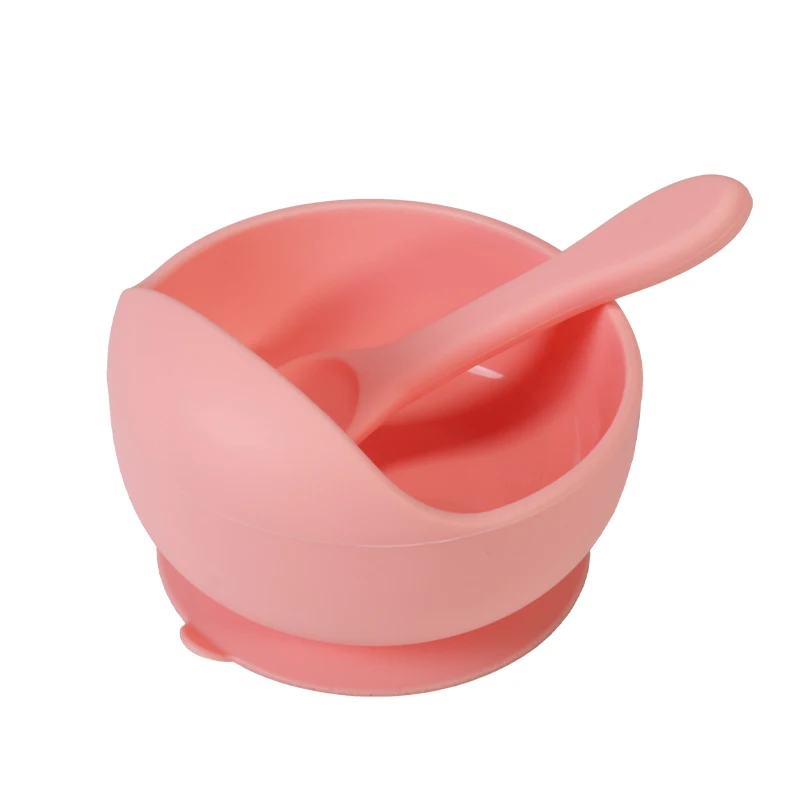
Safety First: Why Non-Toxic Silicone Is Essential for Babies
Understanding Food-Grade Silicone and Its Safety Certifications (FDA, LFGB)
Silicone that's labeled as food grade actually has to pass through some pretty tough safety checks from places like the FDA in the US and the LFGB over in Germany. What this means is that there shouldn't be any bad stuff mixed into the material, and it can handle really extreme temperatures without breaking down. We're talking about staying stable even when things get as cold as minus 40 degrees Celsius or as hot as around 230 degrees. Regular silicone just doesn't go through the same kind of testing for dangerous metals or chemicals that might seep out over time. That's why parents often choose these specially tested silicones for their babies' items such as pacifiers and those little feeding bottles and spoons. After all, nobody wants anything harmful touching their child's mouth.
Silicone vs. Plastic: Eliminating BPA, Phthalates, and Harmful Chemicals
A 2024 Parental Safety Survey revealed 87% of parents prioritize non-toxic materials for infants. Silicone addresses this demand by excluding BPA, phthalates, and PVC—chemicals linked to developmental issues in plastics. Studies show silicone retains 99% fewer volatile compounds than plastic when heated, reducing ingestion risks during bottle sterilization or microwave use.
Scientific Evidence on the Inert Nature of Silicone in Infant Products
Peer-reviewed research in the Journal of Pediatric Materials (2023) confirms silicone’s chemical inertness. Its molecular structure resists bacterial growth and prevents interactions with saliva or milk. Clinical trials observed no detectable toxin migration in silicone teethers even after 500+ hours of chewing simulations.
Controversy Analysis: Is All “Silicone” Truly Safe? Addressing Mislabeling Risks
While genuine silicone poses minimal risks, a 2024 Safety Audit found 15% of baby products labeled “silicone” contained plastic blends. Parents should verify certifications and purchase from reputable brands. Counterfeit items often fail heat-resistance tests, potentially releasing toxins during sterilization.
Built to Last: The Durability and Long-Term Value of Silicone Baby Items
How Silicone Withstands Daily Wear From Teething, Dropping, and Chewing
Baby products made from silicone tend to last much longer because of how the material is built at a molecular level. Tests conducted by independent labs have found that silicone can handle over 50 thousand compression cycles before showing signs of wear according to research published in Pediatrics in 2023. Plastic tends to develop cracks when subjected to similar repeated stresses. What makes silicone so great for babies is its ability to spring right back after being bitten or dropped without getting damaged. This property becomes especially valuable during those tough teething months between six and twenty four months old when little ones put everything in their mouths.
Case Study: Long-Term Use of Silicone Teething Toys Across Developmental Stages
A 24-month manufacturer study tracked silicone teething toys through four developmental stages:
- Gum stimulation (0—6 months): No surface degradation
- Primary teething (6—18 months): 78% retained original shape
- Molar eruption (12—24 months): No material fragmentation
- Toddler play (18—24 months): 92% remained fully functional
Comparison With Rubber and Plastic Alternatives in Lifespan Testing
| Material | Average Lifespan | Failure Mode | Replacement Frequency |
|---|---|---|---|
| Silicone | 5+ years | None observed | 0.2x/year |
| Rubber | 2 years | Cracking | 1.5x/year |
| Plastic | 11 months | Brittleness | 3x/year |
Cost-Effectiveness Over Time: Fewer Replacements, More Savings
The Ponemon Institute (2023) found parents using silicone baby products save $140+/year versus plastic alternatives. This compounds to $740+ savings by a child’s third birthday, with added environmental benefits from reduced waste generation.
Effortless Maintenance: Cleaning and Sterilization Made Simple for Parents
Microwave, Dishwasher, and Boiling Safety of Silicone Baby Products
When it comes to keeping baby gear clean, silicone products take the guesswork out of sanitation thanks to their FDA approved heat resistance properties. Plastic options often warp or break down when exposed to high temperatures, but food grade silicone stands up to all sorts of cleaning routines. These materials hold their shape even after multiple runs through the dishwasher, quick zap in the microwave, or a good soak in boiling water around 230 degrees Celsius. A recent Pediatrics Journal looked at over 4,000 sterilized feeding items and found these silicone products remained safe throughout testing. Parents appreciate this versatility because they can pick whatever cleaning method works best for them day to day without worrying about damaging the product. Whether needing to sanitize between feedings or just getting ready for storage, silicone handles it all while staying safe for little ones.
Heat Resistance Properties Enabling Quick Sterilization (Up to 230°C)
The same kind of sterilization used in hospitals (that's steam at around 121 degrees Celsius for 15 minutes) is now something regular folks can do at home thanks to how durable silicone is when heated. Most big name brands make their silicone products able to handle temperatures up to 230 degrees Celsius, which is actually 50 degrees hotter than what most baby bottles need for proper sterilization. This gives parents peace of mind knowing their gear won't melt if they accidentally leave it in the sterilizer too long. According to testing by Consumer Reports, silicone maintains about 98% of its original shape even after being sanitized 100 times, while plastic tends to warp much more easily with only about 73% retaining its form through the same number of cycles.
Trend: Rise in Steam-Sterilizable Silicone Feeding Sets in Modern Nurseries
Over 68% of 2024-registered baby products now feature steam-compatible silicone, per Grand View Research. This surge aligns with hospital-grade UV/steam sterilizers entering mainstream markets, reducing parents’ reliance on chemical sanitizers. Recent manufacturing data shows UV-compatible silicone items require 40% less daily cleaning time than traditional materials.
Time-Saving Benefits for Busy Parents in Daily Hygiene Routines
Consolidated cleaning protocols save parents 127 hours annually (2024 Parenting Efficiency Report). Silicone’s non-porous surface prevents milk residue buildup, cutting scrubbing time by 62% versus rubber alternatives. A single dishwasher-safe silicone plate handles purees and snacks, replacing 3—4 plastic containers per meal—streamlining post-feeding cleanup.
Comfort and Sensitivity: Gentle Protection for Delicate Skin and Gums
Softness and flexibility of silicone in pacifiers and teething rings
The way silicone is built at the molecular level gives it this really flexible surface that molds nicely around a baby's mouth when they're teething. This helps spread out the pressure instead of creating those annoying sore spots. Regular plastic just doesn't do this stuff. Food grade silicone actually bends along with how babies move their jaws while chewing, which makes for much safer playtime. A lot of parents have noticed this difference too. According to some surveys, around 8 out of 10 parents say their little ones drool less and don't gag as much when using silicone teethers rather than those old fashioned rubber ones.
Dermatological benefits for babies with sensitive skin or eczema
The non porous nature of medical grade silicone makes it really good at stopping bacteria from growing on its surface. Plus, it stays within a safe pH range of around 6.7 to 7.3 which is important for babies who get skin rashes easily. Studies published last year in Pediatric Dermatology found that when parents switched their kids to silicone based feeding products, there was about a 40% drop in those annoying eczema outbreaks compared to regular plastic stuff. What's great too is that these silicones don't require any special chemical treatments that might irritate sensitive skin. Just plain old silicone does all the work naturally.
Parental feedback on reduced gum irritation during teething phase
A 2024 survey of 1,200 caregivers revealed:
| Silicone Product Feature | Satisfaction Rate |
|---|---|
| Surface texture | 91% |
| Temperature retention | 88% |
| Ease of cleaning | 95% |
Parents particularly noted fewer “red marks” and decreased nighttime fussiness when using silicone-based oral care products.
Strategy: Matching silicone firmness levels to baby’s age and needs
Developmental experts recommend:
- 0—6 months: 25—35 Shore A hardness for newborn gum protection
- 6—12 months: 40—50 Shore A to support emerging teeth
- 12+ months: 55—65 Shore A for molar development
This graduated approach ensures both comfort and proper dental alignment, with firmer silicone versions lasting 3x longer than equivalent plastic variants in wear testing.
Eco-Friendly Choice: The Sustainable Advantages of Silicone Baby Products
Sustainability of Silicone: Reusable, Recyclable, and Low Environmental Impact
Baby products made from silicone offer both reusability and pretty low impact on the environment compared to other materials. Good quality food grade silicone can handle dozens if not hundreds of times in the sterilizer without breaking down, plus it ticks all the boxes for safety regulations set by organizations like the FDA and LFGB. A few companies have started mixing in around 40% recycled material these days, which doesn't seem to affect how well the products work at all. Recycling silicone isn't as straightforward though since it needs special processing plants. Still, there have been some recent developments where old silicone stuff gets turned into things used in industry rather than just ending up in landfills. This helps create better options when these baby items eventually reach their final stage of life.
Data: Lifecycle Analysis Showing Lower Carbon Footprint vs. Single-Use Plastics
According to research published in Environmental Science & Technology back in 2023, silicone baby gear actually produces around 62% less carbon dioxide than those plastic options we've all been using for years. Think about this: most silicone bibs and feeding utensils last anywhere from 8 to 12 years, while plastic ones tend to get tossed after just 6 to maybe 18 months at best. That means parents aren't constantly buying new stuff, which cuts down on garbage piling up in landfills. From an environmental standpoint, the extra cost of making silicone products gets offset pretty quickly too. Once families start using them regularly, the initial production impact balances out completely within about 18 months because these items keep getting reused instead of ending up as trash.
Growing Demand for Eco-Conscious Baby Gear Among Millennial Parents
74% of parents aged 25—40 prioritize sustainable materials when purchasing baby products according to BabyCare Analytics’ 2024 survey. This demographic drives a 33% annual market growth for silicone nursery items, especially multi-functional products like convertible feeding sets. Retailers report silicone pacifier sales have tripled since 2021 as eco-awareness grows alongside health safety concerns.
Supporting a Circular Economy With Long-Lasting, Responsibly Sourced Silicone
Durability is central to sustainability—a single silicone teething ring used across three children can prevent 15—20 plastic equivalents from entering landfills. Emerging blockchain verification systems enable traceability of material origins, with 82% of parents in 2024 trials willing to pay a premium for fully transparent, responsibly sourced silicone gear.
FAQ
What is the difference between food-grade silicone and regular silicone?
Food-grade silicone is specifically tested and certified to be free from harmful chemicals and can withstand extreme temperatures, making it safe for baby products. Regular silicone may not undergo such rigorous testing.
How does silicone compare to plastic in terms of safety?
Silicone excludes harmful chemicals like BPA and phthalates found in plastics, thus reducing health risks. It also retains fewer volatile compounds when heated compared to plastic.
How long do silicone baby products typically last?
Silicone baby products are durable, often lasting over 5 years with proper care, compared to 11 months for plastic products.
Are silicone baby products environmentally friendly?
Yes, silicone baby products are reusable, have a lower carbon footprint than single-use plastics, and some are made with recycled materials.
Can all silicone product labels be trusted?
Not always. It's important to verify certifications and purchase from reputable brands to avoid mislabeling and ensure product safety.
Table of Contents
-
Safety First: Why Non-Toxic Silicone Is Essential for Babies
- Understanding Food-Grade Silicone and Its Safety Certifications (FDA, LFGB)
- Silicone vs. Plastic: Eliminating BPA, Phthalates, and Harmful Chemicals
- Scientific Evidence on the Inert Nature of Silicone in Infant Products
- Controversy Analysis: Is All “Silicone” Truly Safe? Addressing Mislabeling Risks
- Built to Last: The Durability and Long-Term Value of Silicone Baby Items
- Effortless Maintenance: Cleaning and Sterilization Made Simple for Parents
- Comfort and Sensitivity: Gentle Protection for Delicate Skin and Gums
-
Eco-Friendly Choice: The Sustainable Advantages of Silicone Baby Products
- Sustainability of Silicone: Reusable, Recyclable, and Low Environmental Impact
- Data: Lifecycle Analysis Showing Lower Carbon Footprint vs. Single-Use Plastics
- Growing Demand for Eco-Conscious Baby Gear Among Millennial Parents
- Supporting a Circular Economy With Long-Lasting, Responsibly Sourced Silicone
- FAQ