
 EN
EN
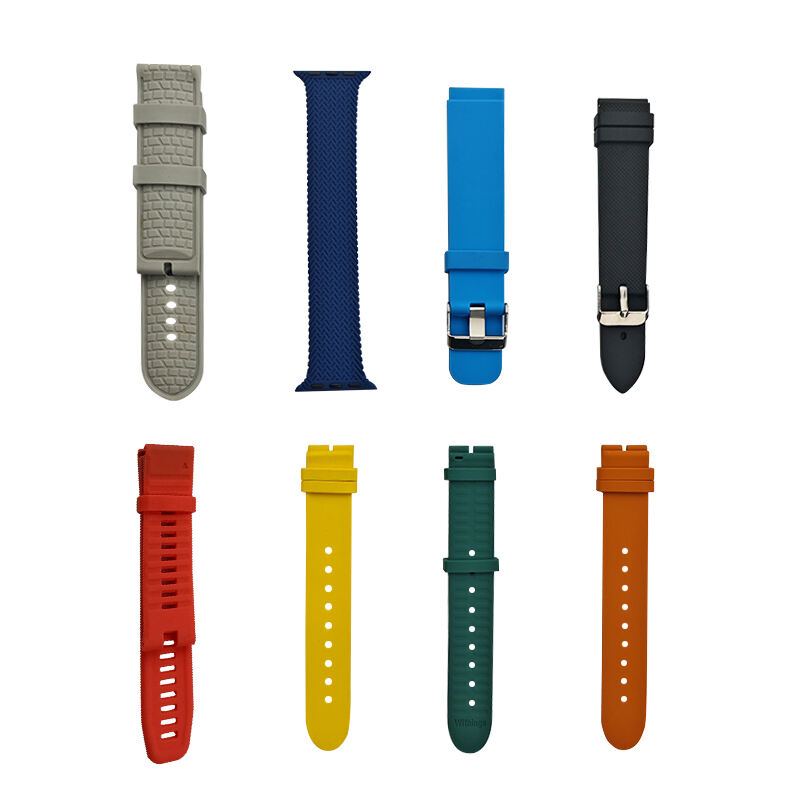
Why Silicone Is Revolutionizing Electronic Product Design
Growing Adoption of Silicone Rubber in Electronics and Electrical Systems
Silicone is really taking off in today's electronic world, and according to recent studies by Ponemon (2023), around 7 out of 10 manufacturers have started incorporating it into their products for managing heat issues. What made this material so popular? Well, when companies saw how well silicone handles temperature extremes ranging from -55 degrees Celsius all the way up to 300 degrees without losing its shape or properties, they couldn't ignore its potential anymore. This characteristic makes it especially valuable for things like smart watches, parts inside electric vehicles, and those tiny sensors we find everywhere these days. Compared to regular plastic or rubber materials, silicone stands up much better against sunlight damage, ozone attacks, and water penetration. That's why engineers love using it to create seals around delicate circuits and protect sensitive computer chips when they need to work reliably even under tough conditions.
Key Drivers Behind the Shift Toward Silicone-Based Components
Three factors propel silicone’s dominance:
| Property | Silicone Advantage vs. Traditional Materials | Industry Impact |
|---|---|---|
| Thermal Resistance | 3x wider operating range than PVC | Enables compact designs for high-power devices |
| Dielectric Strength | 18-24 kV/mm (vs. 12-15 kV/mm for rubber) | Reduces short-circuit risks in miniaturized circuits |
| Moldability | Achieves 0.2mm thin walls with LSR molding | Supports intricate geometries for wearables |
These attributes, combined with compliance to RoHS and REACH standards, address the dual demands of durability and sustainability. For example, medical wearables leverage silicone’s biocompatibility to maintain skin contact for 30+ days without irritation.
Market Trends Showing Increased Customization and Design Versatility of Silicone Components
According to MarketsandMarkets data from 2024, the worldwide silicone electronics market looks set to expand at around 7.8% compound annual growth rate all the way through 2030. This growth is being fueled largely by increasing requests for specialized formulations that match specific applications. Today's manufacturers aren't just selling standard products anymore. They've started producing electrically conductive silicones for EMI shielding in those new 5G gadgets, making optically clear versions for use in AR and VR headset gaskets, and developing flame retardant materials that meet strict UL 94 V-0 standards required for electric vehicle battery enclosures. Looking at recent industry reports, particularly the 2024 Electronics Material Trends Study, we see something interesting happening. Over 40% more original equipment manufacturers are asking for custom Shore hardness levels and components that match their brand colors exactly. The push for customization seems to be here to stay across the sector.
Core Material Properties That Make Silicone Ideal for Electronics
Thermal and Environmental Resistance of Silicones in Electronics
Silicone maintains reliable performance across extreme temperatures (-50°C to 350°C), outperforming plastics and rubbers in applications like automotive sensors and industrial enclosures. Its flame resistance and ability to withstand prolonged UV exposure, ozone, and humidity make it indispensable for outdoor and high-heat electronics.
Electrical Insulation and Dielectric Strength of Silicone Materials
With dielectric strength exceeding 20 kV/mm, silicone acts as a robust electrical insulator, preventing arcing and short circuits in power distribution systems and consumer devices. This property, combined with resistance to corona discharge, ensures safety in high-voltage applications such as EV battery housings and industrial connectors.
Durability, Flexibility, and Chemical Resistance of Silicone Rubber
Silicone’s elasticity—up to 600% elongation—and resistance to oils, acids, and solvents enable repeatable sealing in dynamic environments.
| Property | Silicone | Traditional Rubber |
|---|---|---|
| Temperature Tolerance | -50°C–350°C | -30°C–100°C |
| Chemical Resistance | High | Moderate |
| Compression Set | <10% | 20–50% |
These advantages reduce maintenance costs in chemical processing equipment and wearable medical devices.
Moldability and Design Flexibility of Silicone Elastomers
Liquid silicone rubber (LSR) flows into micro-scale cavities, enabling precision molding of features as thin as 0.2 mm for haptic interfaces and micro-seals. This design freedom supports compact, lightweight electronic products without compromising durability.
Real-World Applications: Silicone in Encapsulation, Sealing, and Lighting
Silicone Encapsulation of Hardware/Components in Harsh Environments
The thermal stability range of silicone from minus 60 degrees Celsius all the way up to 230 degrees Celsius, along with its ability to resist chemicals, makes it really important for safeguarding things like industrial sensors, those control units in cars, and electronic components used in airplanes. When we talk about silicone encapsulation, what happens is it creates this kind of flexible shield that keeps out moisture, resists fuels, and dampens vibrations. Components protected this way tend to last about 40 percent longer in harsh conditions than when using regular rigid plastics. Take offshore energy platforms for example. Saltwater can be super destructive over time, but silicone stands up to that corrosion better than most alternatives available today. That's why many engineers specify silicone materials for these tough applications where reliability matters most.
Sealing and Gasketing with Silicone in Consumer Electronics
Silicone sealants have become pretty much standard across smartphones, wearables, and household appliances because they stick well while still being flexible enough to handle movement. Some recent tests on how these seals perform indicate that silicone gaskets can keep things airtight even after going through thousands of temperature changes between minus 40 degrees Celsius and 150 degrees Celsius. The real benefit here is that devices last longer since there's about half as many problems caused by moisture getting inside. Manufacturers also appreciate the clear versions available nowadays which fit right into glass or polycarbonate cases without affecting how resistant they are to sunlight damage over time.
Use of Liquid Silicone Rubber (LSR) in LED and Lighting Applications
The optical clarity plus heat resistance of LSR up to around 200 degrees Celsius makes it really popular for things like LED street lights and car headlights these days. When manufacturers go with LSR encapsulation methods, they're seeing pretty impressive results too. Most report maintaining about 92% light transmission efficiency even after those components have been running nonstop for roughly 10,000 hours. Another big plus is how easily LSR can be molded into complex shapes. This allows creation of microlens arrays which actually boost light distribution by approximately 35% in smaller fixtures. Plus there's no yellowing issue over time despite constant exposure to UV rays, something that regular materials just can't handle.
Silicone in Smart and Wearable Technology: Comfort Meets Performance
Silicone’s fusion of flexibility, biocompatibility, and durability has made it indispensable in next-generation smart and wearable technologies. As devices evolve to integrate seamlessly with users’ lifestyles, silicone’s material properties enable designs that prioritize both performance and ergonomics.
Smart Devices Leveraging Silicone’s Biocompatibility and Flexibility
Wearable health tech relies heavily on medical grade silicone because it doesn't irritate skin and works well with our bodies. Recent research from 2024 showed that gadgets made with silicone caused about 60% less redness than those made from plastic alternatives. For people who need to wear things like blood sugar monitors or heart rate patches all day long, this matters a lot since they can stay on for hours without causing problems. Plus, the way silicone bends and moves makes it ideal for fitness trackers that get jostled around during workouts, as well as parts inside VR headsets where comfort is key but space is limited.
Sensors and Wearables Using Molded Silicone for Comfort and Durability
Silicone housing made through precision molding keeps those delicate biometric sensors safe from sweat, dust buildup, and physical knocks around. According to various clinical tests, people wearing medical devices with these soft silicone edges report feeling much more comfortable than when using the stiff alternatives. Some studies even show comfort scores jumping up around 70-75% in certain cases. And there's another benefit too. The way silicone absorbs vibrations actually makes these motion tracking gadgets work better. When athletes wear them during intense training sessions, the error rate goes down significantly, somewhere around 30-35% lower compared to non-silicone options.
Innovations in Thin-Wall Molding for Lightweight Wearable Designs
Recent improvements in how we work with liquid silicone rubber (LSR) have made it possible to create layers as thin as 0.2 mm but still resistant to tearing, which is great news for making wearables that don't feel bulky on the body. These thinner walls mean smartwatch bands can actually weigh 44% less without sacrificing strength they still hold up at over 8 MPa tension. What's really interesting though is what manufacturers can do with these materials now. They're adding tiny holes throughout the surface so sweat can escape during workouts, and building special pathways inside where those little heart rate sensors sit against the skin. The result? Devices that look sleek and modern but also function properly when worn all day long.
Design and Manufacturing Strategies for High-Quality Silicone Electronic Products
Design Considerations for Silicone Parts in High-Performance Electronics
Good silicone product design really starts by getting a handle on how heat moves through materials and what electrical properties are needed. When engineers attach silicone to stiff stuff like circuit boards, they need to watch out for differences in how much things expand when heated up. These mismatched expansion rates actually cause most failures in electronic components that get sealed in silicone and then go through repeated heating and cooling cycles. For those super thin walls under half a millimeter thick, it's critical to test different grades of material before production. Otherwise there's a real risk of the parts tearing apart when they come out of the mold. And don't forget these thin designs still need to meet those tough IP67 waterproof standards too.
Comparison of Injection, Compression, and Overmolding Techniques for Silicone
| Process | Cycle Time | Precision | Ideal Application | Cost Efficiency |
|---|---|---|---|---|
| Injection Molding | 30-60s | ±0.05mm | High-volume connectors, seals | Best for >10k units |
| Compression | 2-5min | ±0.2mm | Large EMI shielding gaskets | Low-mid volumes |
| Overmolding | 45-90s | ±0.03mm | Sensor housings fused with PCBs | Prototyping to mass production |
Recent advancements in high-precision silicone machining enable injection molding to achieve <50μm tolerances previously exclusive to overmolding.
Optimizing Tooling and Process Parameters for Complex Silicone Geometries
Using multi cavity molds equipped with conformal cooling can cut down on cycle times anywhere from 18 to 22 percent when working with liquid silicone rubber. Recent findings from a 2023 investigation indicate that keeping injection speeds between half a meter per second and just over one meter per second helps avoid those annoying flow issues in microfluidic channel parts. For wearable tech components needing Shore A hardness ratings between 40 and 80, post curing becomes really important stuff. Most manufacturers find that heating these items between 150 and 200 degrees Celsius for around four to six hours makes all the difference in getting stable hardness properties right across the board.
Balancing Cost, Scalability, and Precision in LSR Production
Overmolding gives around 0.8% dimensional accuracy for those medical grade sensors, but let's be honest about the price tag. The tooling costs jump anywhere between 60 to 75 percent compared to regular injection molds. Smart companies have started mixing things up. They'll do compression molding for the base layers and then bring out the big guns with precision machined injection tools just where those critical seals need to be. Makes sense really. This mixed bag approach cuts down on individual part costs by roughly 34% when making sensors for cars, all while keeping leak test failures below 0.03%. Not bad at all considering what we're talking about here.
FAQ
What makes silicone so popular in electronic product design?
Silicone is popular in electronic product design due to its superior thermal resistance, electrical insulation, durability, flexibility, and moldability compared to traditional materials like PVC and rubber. It withstands extreme temperatures and provides protection against environmental factors, making it ideal for modern electronics.
How does silicone benefit wearable technology?
In wearable technology, silicone offers biocompatibility, skin-friendly properties, and flexibility, ensuring comfort during prolonged use. It absorbs vibrations, reducing error rates in motion-tracking gadgets and enhances the performance of fitness trackers and VR headsets.
What are the main uses of silicone in electronic applications?
Silicone is used for encapsulating hardware, sealing and gasketing in consumer electronics, and as liquid silicone rubber (LSR) in LED and lighting applications due to its heat and chemical resistance, flexibility, and optical clarity.
What are the key manufacturing techniques for silicone components?
The key manufacturing techniques for silicone components include injection molding, compression molding, and overmolding. Each technique offers different cycle times, precision, and cost-efficiency, suitable for various applications from high-volume connectors to prototype sensor housings.
Table of Contents
- Why Silicone Is Revolutionizing Electronic Product Design
- Core Material Properties That Make Silicone Ideal for Electronics
- Real-World Applications: Silicone in Encapsulation, Sealing, and Lighting
- Silicone in Smart and Wearable Technology: Comfort Meets Performance
- Design and Manufacturing Strategies for High-Quality Silicone Electronic Products
- Design Considerations for Silicone Parts in High-Performance Electronics
- Comparison of Injection, Compression, and Overmolding Techniques for Silicone
- Optimizing Tooling and Process Parameters for Complex Silicone Geometries
- Balancing Cost, Scalability, and Precision in LSR Production
- FAQ