
 EN
EN
Why Silicone Is Dominating the 2025 Pet Product Market
More and more pet brands are turning to silicone these days because it just makes sense for so many reasons. Safe for pets, tough enough to last through rough play sessions, and flexible enough to create all sorts of fun shapes and textures. The numbers back this up too. Industry reports predict around $8.6 billion in sales for pet toys worldwide by 2035, and folks in the know say about 42% of what comes out in 2025 will be made from silicone. Why? Well, people are getting tired of old plastic stuff that breaks easily or might have harmful chemicals. Pet parents want something better for their furry friends now, even if it costs a bit more upfront.
The Rise of Silicone Pet Products in Modern Pet Care
Veterinarians increasingly recommend silicone for food bowls, chew toys, and grooming tools due to its non-porous surface that resists bacterial growth—a critical advantage over porous plastics. Leading pet care clinics report a 57% drop in material-related allergic reactions since 2022 when silicone bowls replaced plastic alternatives in controlled trials.
Consumer Demand for Safer, Smarter Pet Materials
73% of pet owners now prioritize material safety over price when selecting products, per a 2025 Pet Consumer Trends Report. Silicone’s heat resistance (-60°F to 446°F) and lack of BPAs address key concerns, while advanced formulations offer embedded antimicrobial protection without compromising flexibility.
How Evolving Pet Ownership Trends Fuel Innovation
The humanization of pets has transformed purchasing habits:
- 68% of millennial owners buy premium products matching their own lifestyle standards
- 81% seek multifunctional designs (e.g., collapsible travel bowls doubling as puzzle feeders)
- Silicone’s colorfast properties enable customizable accessories that maintain aesthetic appeal through years of use
Silicone vs. Plastic: A Shift Toward Premium Pet Product Development
Traditional plastics still dominate the North American pet product market with around 63.2% share in 2024, but silicone is making serious waves. Manufacturers are really pushing silicone because it's seen as greener option, and this has led to a 29% jump in market share just last year alone. When we look at actual performance, premium silicone toys and accessories tend to last about three times longer than their plastic counterparts during wear tests. This durability actually tackles a big problem for the industry the roughly $740 million spent every year replacing broken pet stuff according to that recent Pet Product Sustainability report from 2025.
Key Benefits of Silicone Pet Products: Safety, Durability, and Sustainability
Non-Toxic and Hypoallergenic Advantages for Sensitive Pets
The chemical makeup of silicone is pretty stable, which is why many pet owners find it works well for animals with sensitive skin or allergic reactions. Plastic materials can sometimes release harmful substances such as BPA into the environment, but good quality food grade silicone doesn't contain those pesky heavy metals, phthalates, nor any latex stuff either. According to recent research from the Pet Health Institute published last year, around 8 out of 10 vet dermatologists suggest going with silicone products when dealing with pets suffering from various skin issues because they tend to be less likely to cause irritation. When shopping for durable chew toys made from this material, look for ones that carry both FDA and LFGB approvals since these standards help guarantee that even after lots of gnawing and drooling, there won't be anything dangerous coming off onto the animal's mouth or paws.
Long-Lasting Performance of Silicone Dog Bowls and Chew Toys
The tear resistant nature of silicone means it can handle about five times the pressure compared to regular rubber toys, all while keeping its original shape pretty much intact. According to recent tests published in Material Science Journal last year, silicone pet bowls still have around 85% of their initial flexibility even after being used every day for five whole years. That beats out stainless steel when it comes to handling impacts and holds up better against cracks than plastic alternatives too. Another great thing about silicone is how well it handles extreme temperatures ranging from minus 60 degrees Celsius right up to 230 degrees Celsius. This makes it perfectly safe to put lick mats in the freezer or run bowls through the dishwasher without worrying about them warping over time.
Eco-Friendly Design Reducing Environmental Impact
| Factor | Silicone | Plastic |
|---|---|---|
| Average lifespan | 8-12 years | 1-3 years |
| Recyclability rate | 42% | 9% |
| CO2 per kg produced | 3.1 kg | 6.5 kg |
Silicone products generate 62% less landfill waste than plastic equivalents over a decade, with 78% of used silicone being repurposed into industrial materials (Global Sustainability Report 2025). Unlike “biodegradable” plastics requiring specific composting conditions, silicone breaks down naturally in landfills over 20–50 years, compared to plastic’s 450+ year decomposition timeline.
Sustainability Edge Over Traditional Plastics in Pet Accessories
Switching to silicone materials in the pet industry cuts down on microplastic pollution by around 740,000 tons each year. That's roughly the same as taking about 155,000 gas powered cars off the road according to data from EcoPet Coalition back in 2024. Many manufacturers are getting creative these days, incorporating approximately 45 percent of post industrial silicone waste into their new products. These kinds of practices help build what we call closed loop systems, something that fits right into the goals of global circular economy efforts. And it makes sense too since surveys show that nearly two thirds of all pet owners care deeply about sustainability when they shop for their furry friends, as reported in the latest 2025 Pet Consumer Trends findings.
Best Silicone Pet Bowls and Feeding Solutions in 2025
Innovative Silicone Dinner Plates for Picky Eaters
Silicone plates today come with all sorts of textures and divided sections that really grab the attention of picky eaters among our furry friends. The stuff doesn't hold onto food smells either, which is a big plus for those super sensitive animals who get turned off by strong odors. Plus, the edges are nicely rounded so they don't irritate mouths while eating. And let's face it, nothing beats silicone when it comes to durability. Drop one on the floor (and trust me, most dogs will try at least once) and it just bounces back instead of shattering like those old metal or ceramic bowls used to do.
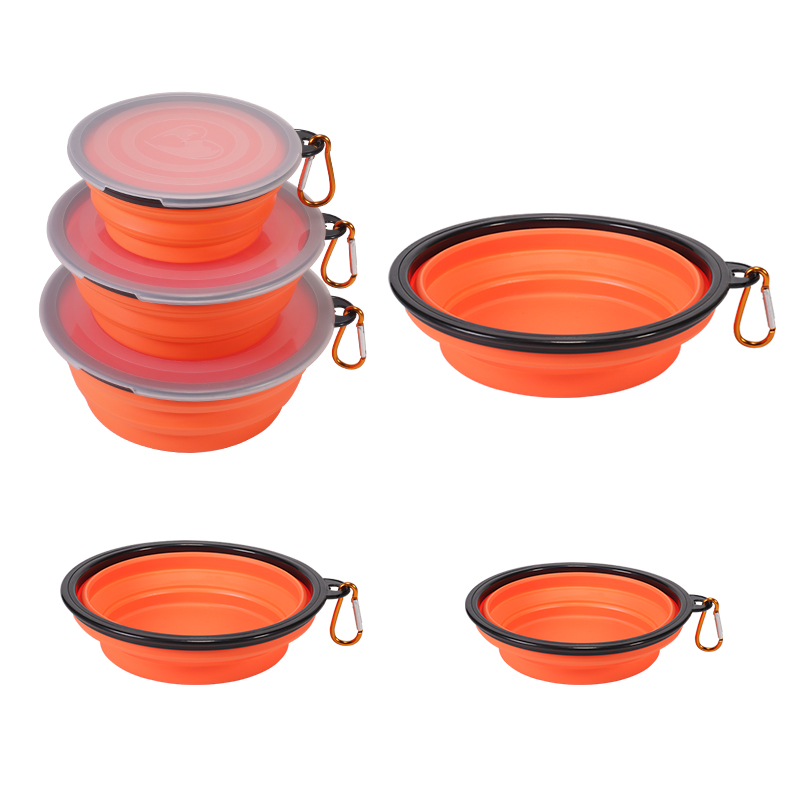
Foldable and Collapsible Travel Bowls With Anti-Slip Bases
2025’s top-rated collapsible bowls use 100% food-grade silicone with reinforced bases that grip uneven surfaces during road trips or hikes. Brands like Silipint’s travel-friendly design fold to 1.5” thick, saving 80% more space than rigid bowls. Key innovations include:
- Integrated carabiner clips for leash attachment
- Wide openings for easy hand-washing
- Temperature resistance from -40°F to 450°F
Slow Feeder and Puzzle Mats Made From Food-Grade Silicone
Veterinarians recommend silicone slow feeders to reduce bloat risks in fast-eating dogs. Raised maze patterns extend meal times by 3–7 minutes by encouraging slower consumption. The Reopet Silicone Dog Bowl Mat pairs non-slip technology with spill-catching borders, reducing floor cleanup by 92% compared to traditional mats.
Treat and Lick Mats Combining Enrichment With Material Safety
Silicone lick mats integrate freezer-safe properties for prolonged treat distribution. BPA-free construction ensures safety during extended chewing sessions, while dishwasher-safe surfaces simplify sanitation after peanut butter or yogurt use.
Premium Silicone Chew Toys and Interactive Accessories
Why Silicone Outperforms Rubber and Plastic in Chew Toys
The way silicone molecules are arranged gives it this amazing mix of bendiness and strength against tearing. Tests from the Pet Material Safety Institute back this up, showing silicone holds up about 68 percent better than regular rubber when compressed. Plastic toys tend to break into dangerous pieces when chewed on, but silicone just bends without breaking. This makes all the difference for pets that really go at their toys, cutting down on those nasty choking risks. Some vet research has found that silicone doesn't let bacteria grow as easily as rubber does. The non porous surface stops germs from hiding in there, which explains why so many new pet products are going this route for cleaner playthings.
Engineered Textures and Bounce: The Science Behind Silicone Frisbees
The latest molding tech lets makers put those tiny ridges into dog chews with pinpoint accuracy around half a millimeter. Studies from the Journal of Veterinary Dentistry back this up showing these ridges actually clean away about 40% more plaque compared to regular stuff. When it comes to silicone frisbees, they bounce just right between four and six feet off the ground because of how firm they are on the Shore scale (about 50A). That means pets stay interested but don't get overwhelmed playing fetch all day long. No wonder so many professional dog trainers have switched their recommendations lately. According to recent surveys, nearly eight out of ten experts prefer recommending silicone toys instead of old fashioned rubber ones for most pups.
Interactive Treat-Dispensing Toys With Flexible Silicone Parts
The special stretchiness of silicone means these treat dispensers can bounce back even after being squished down 90%, something regular plastic just cant do. Plus, it stands up to extreme temperatures from way below freezing all the way up to over 400 degrees Fahrenheit, so we can actually clean them in the dishwasher without worrying about melting parts. That solves one of the biggest headaches people have with those rubbery puzzle toys that always end up covered in gunk. Most modern designs come with food safe silicone flaps that can be adjusted to different tightness levels. Pet parents love this because they can tweak how hard it is for their furry friends to get treats out, which helps train smarter dogs and keeps them mentally stimulated throughout the day.
Stylish and Functional Silicone Collars and Wearables
Design Innovations in Silicone Pet Collars for 2025
2025’s silicone collars blend ergonomic engineering with pet-centric design, featuring contoured shapes that reduce neck strain during walks. Breakthroughs in food-grade silicone molding enable seamless integration of GPS tracker housings and reflective safety strips without compromising flexibility—unlike traditional nylon or leather alternatives prone to cracking.
Lightweight, Waterproof, and Odor-Resistant Everyday Wear
Silicone has natural water repelling properties and is super light weight too actually about 95 percent lighter than regular rubber collars which makes it great for dogs who love to swim or play outside in the rain. The material doesn't absorb smells like fabric does either. Antimicrobial silicone stays fresh much longer without bacteria building up so dog owners can go weeks between washing their pet's collar instead of just days as per some recent research from vets in 2024. Another big plus? Those special clasp designs that don't have any buckles get stuck on tree branches all the time something many outdoor dog lovers have noticed and really appreciate when hiking with their furry friends.
Customizable Colors and Premium Appeal in Silicone Pet Supplies
Top pet accessory companies are rolling out over 30 different Pantone matched colors for silicone collars these days. This lets dog parents match their furry friends' gear to whatever fashion trend is hot right now or just look good with specific breeds. We're seeing this same push toward customization across all kinds of silicone pet products where tough materials get paired with personal touches. What really stands out about these collars though is how they look. The shiny, almost like jewelry finish makes regular pet wear feel luxurious. Market research from 2024 shows something interesting too. Eighty five percent of people who bought these collars said the main reason was because they wanted that premium feel compared to plain old nylon collars on the market.
FAQ Section
What makes silicone a preferred material for pet products?
Silicone is favored due to its non-toxic nature, durability, flexibility, and resistance to extreme temperatures and bacterial growth, making it a safer and more sustainable option than traditional materials like plastic.
How does silicone compare to plastic in terms of environmental impact?
Silicone is more eco-friendly than plastic, with a higher recyclability rate, longer lifespan, and significantly lower CO2 production. It generates less landfill waste and supports closed-loop manufacturing systems.
Are silicone pet products safe for sensitive pets?
Yes, silicone products are generally hypoallergenic and free from harmful substances like BPA, making them a safe option for pets with sensitive skin or allergies.
Why are silicone pet bowls and toys considered durable?
Silicone's tear-resistant nature allows it to withstand greater pressure and temperature variations without losing its shape, enhancing its durability compared to materials like rubber or plastic.
Can silicone pet products be cleaned easily?
Yes, silicone products can be safely cleaned in dishwashers without warping, thanks to their temperature resistance, which simplifies maintenance and sanitation processes.
Table of Contents
- Why Silicone Is Dominating the 2025 Pet Product Market
- Key Benefits of Silicone Pet Products: Safety, Durability, and Sustainability
- Best Silicone Pet Bowls and Feeding Solutions in 2025
- Premium Silicone Chew Toys and Interactive Accessories
- Stylish and Functional Silicone Collars and Wearables
- FAQ Section