
 EN
EN
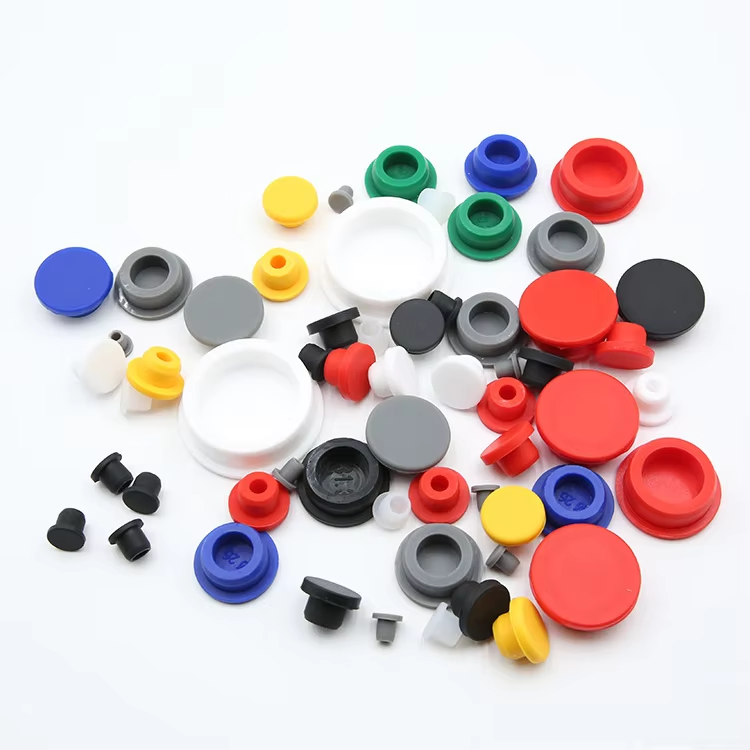
Electrical Insulation Properties of Silicone Rubber Insulators
Dielectric Strength and Volume Resistivity in Household Applications
Silicone rubber insulators have dielectric strengths over 20 kV/mm and volume resistivity greater than 1×10^14 ohm-cm, which stops current from leaking through in everyday appliances like blenders and fridges. These characteristics keep things properly isolated even on standard 120V to 240V circuits. According to some aging tests published by the Electrical Safety Foundation back in 2023, there's only about a 5% rise in conductivity after those insulators have been running for 10,000 hours straight. That kind of durability makes them pretty indispensable for maintaining electrical safety in home appliances.
Performance Under Variable Voltage and Load Conditions
The insulation efficiency of silicone rubber varies by only 0.3% under voltage fluctuations from 90V to 265V, outperforming organic rubbers by a 12:1 margin in stability. During motor startups that draw up to 600% of rated current, the material maintains arc suppression through dynamic thermal expansion, ensuring uninterrupted protection.
High-Voltage Resistance and Arc Protection
With a breakdown resistance of 15 kV/mm, silicone rubber suppresses arcs within 0.5 milliseconds at 10 kV—60% faster than EPDM alternatives. Per IEC 60112 tracking tests, it shows no carbonization after over 100 exposures to 6 kV sparks, confirming superior resistance to electrical degradation.
Consistent Insulation Performance Across Humid, Wet, and Dusty Environments
Even at 95% relative humidity, surface resistance remains above 10¹³ Ω due to hydrophobic methyl groups that repel moisture. It retains 98% of its dry-state insulation performance when exposed to particulate levels exceeding 5,000 µg/m³, making it ideal for washing machine controls and outdoor-rated appliance panels.
Thermal Stability and Temperature Resistance of Silicone Rubber Insulators
Operation from -50°C to 200°C Without Degradation
Silicone rubber works well across a wide temperature range, from as cold as -50 degrees Celsius all the way up to 200 degrees, making it great for use in appliances like ovens, freezers, and various heating systems. According to industry tests done last year, it still keeps about 93% of its flexibility even when temps drop to -40°C. What makes this material so special is its unique molecular structure. The cross linked polymers create a network that stops the chains from breaking apart when exposed to heat. This helps maintain both electrical insulation properties and proper sealing functions, which explains why manufacturers rely on silicone for critical applications where temperature extremes are common.
Resistance to Thermal Cycling and Heat Aging
Capable of enduring over 5,000 thermal cycles without cracking or hardening, silicone rubber maintains 85% of its original tensile strength after 10,000 hours at 150°C (material analysis, 2022). Its inorganic backbone provides superior oxidation resistance compared to carbon-based elastomers, benefiting appliances like coffee makers and hair dryers that undergo daily thermal cycling.
Mechanical Durability and Flexibility of LSR Insulators
Elasticity and Stress Recovery in Dynamic Appliance Components
LSR maintains around 90% of its elasticity even after thousands of stress cycles in parts that move constantly, like those found in dishwashers' spray arms or blender motor mounts. When subjected to mechanical shocks, it bounces back to its original shape pretty quickly, showing minimal permanent changes - typically under 5% when stretched to 150% of normal size according to industry tests from last year. What makes this possible is something called viscoelastic properties, where the material's internal bonds rearrange themselves instead of breaking down completely. This characteristic stops cracks from spreading through the material, making LSR exceptionally durable for components that need to handle repeated motion day after day.
Compression Set Resistance and Long-Term Shape Retention
LSR insulators typically maintain compression set values under 20% even after sitting at 150 degrees Celsius for three straight days according to ASTM D395 testing standards. What does this mean practically? Gaskets and seals made from these materials can hold onto around 85% of their original sealing power throughout an appliance's entire ten year life cycle. The secret lies in those cross linked silicone molecules that actually spread out the pressure when compressed, preventing any kind of molecular slippage. This means they bounce back effectively across a wide temperature range from minus 30 degrees all the way up to 120 degrees Celsius. Refrigerator manufacturers really rely on this characteristic for door latch buffers where consistent performance matters most. Oven makers also count on it for their insulation panels since these components need to withstand both heat and repeated door openings without losing effectiveness over time.
Environmental Resilience and Safety Compliance of Silicone Insulators
Moisture, UV, and Ozone Resistance for Indoor and Outdoor Use
Silicone rubber maintains structural integrity in humid, wet, and UV-exposed environments. It achieves over 99% moisture resistance (ASTM D570-22) and shows less than 5% elongation loss after 1,000 hours of UV exposure (IEC 62217), making it suitable for indoor seals and outdoor electrical enclosures alike.
Non-Flammable Materials and UL/FM Fire Safety Standards
Designed to meet UL 94 V-0 flammability ratings and FM Global standards, silicone rubber self-extinguishes within seconds after flame removal due to its thermal-oxidative stability. This reduces fire risks in densely packed electrical installations by 68% compared to PVC-based alternatives (FM Global 2023 study).
RoHS and REACH Compliance for Consumer Safety
The latest silicone materials on the market meet all the major environmental standards these days, including RoHS which restricts harmful substances and REACH regulations covering chemical safety. These modern formulas are free from dangerous heavy metals like lead and cadmium that used to be common in older products. According to recent data from environmental compliance reports around 2025 timeframe, nearly all manufacturers worldwide have switched to making silicone without phthalates. This shift makes sense given how consumers increasingly want their home appliances to be safer for families and the environment. Most companies have adapted to this trend simply because customers won't buy products that contain questionable chemicals anymore.
Custom Design and Application-Specific Manufacturing of Silicone Rubber Insulators
Tailored Formulations for Specific Dielectric and Mechanical Needs
Silicone rubber insulators made from custom polymer blends can actually hit those exact electrical and mechanical specs that manufacturers need. When we're talking about high voltage stuff like electric ovens, the focus is on getting that dielectric strength above 20 kV per millimeter and making sure volume resistivity stays over 1 times 10 to the 15th power ohm centimeters. Now for the flexible parts seen in things like robotic vacuum cleaners, engineers work hard to get those elastomers stretched out between 300 and 500 percent before breaking point. According to research published last year in Materials Engineering, these specially formulated liquid silicone rubbers cut down on insulation problems when exposed to moisture compared to regular off-the-shelf materials. The reduction was pretty impressive too – around 62 percent fewer failures overall.
Precision Molding for Seals, Gaskets, and Insulating Components
Modern manufacturing techniques can achieve around 0.05 mm accuracy for those crucial parts where everything needs to fit just right in appliances like dishwashers and HVAC units. With multi cavity liquid silicone rubber injection molding, factories are cranking out well over 10 thousand identical gaskets every day, and defects? They're pretty rare at under half a percent. Compression molding isn't bad either when it comes to efficiency, getting about 95% of materials used effectively for those big insulating pads found in today's smart fridges. And let's not forget vacuum assisted molding which actually boosts arc resistance in circuit breaker insulators by roughly 40% according to recent findings from the Electrical Safety Review back in 2024.
Case Studies: Integration in Major Household Appliances
Top induction cooktop models now feature silicone rubber insulators rated UL 94 V-0 positioned about 1.2mm from the heating coils. This setup transfers heat 35% faster compared to traditional ceramic options. Modern washer dryer combinations incorporate specially molded LSR bushings capable of handling intense 15G spin cycles. These parts maintain impressive electrical resistance levels (around 1014 ohm cm) even after sitting through five full years of operation. A recent industry analysis from 2024 shows that convection microwave ovens equipped with these advanced silicone insulators save roughly 18% on energy costs when compared to the old rubberized asphalt components they replaced back in the day.
FAQ Section
What are the main advantages of using silicone rubber insulators in home appliances?
Silicone rubber insulators offer outstanding electrical insulation, thermal stability, mechanical durability, and environmental resilience, making them ideal for various home appliances and ensuring safety and reliability.
How does silicone rubber insulator perform under extreme temperatures?
Silicone rubber maintains its flexibility and performance across temperatures ranging from -50°C to 200°C, making it suitable for appliances exposed to extreme conditions.
Are silicone rubber insulators environmentally safe?
Yes, modern formulations of silicone rubber insulators comply with environmental standards such as RoHS and REACH, ensuring they are free from hazardous substances and safe for consumer use.
Can silicone rubber insulators withstand humidity and UV exposure?
Silicone rubber exhibits excellent resistance to humidity and UV exposure, maintaining structural integrity and performance in indoor and outdoor environments.
Table of Contents
- Electrical Insulation Properties of Silicone Rubber Insulators
- Thermal Stability and Temperature Resistance of Silicone Rubber Insulators
- Mechanical Durability and Flexibility of LSR Insulators
- Environmental Resilience and Safety Compliance of Silicone Insulators
- Custom Design and Application-Specific Manufacturing of Silicone Rubber Insulators
- FAQ Section