
 EN
EN
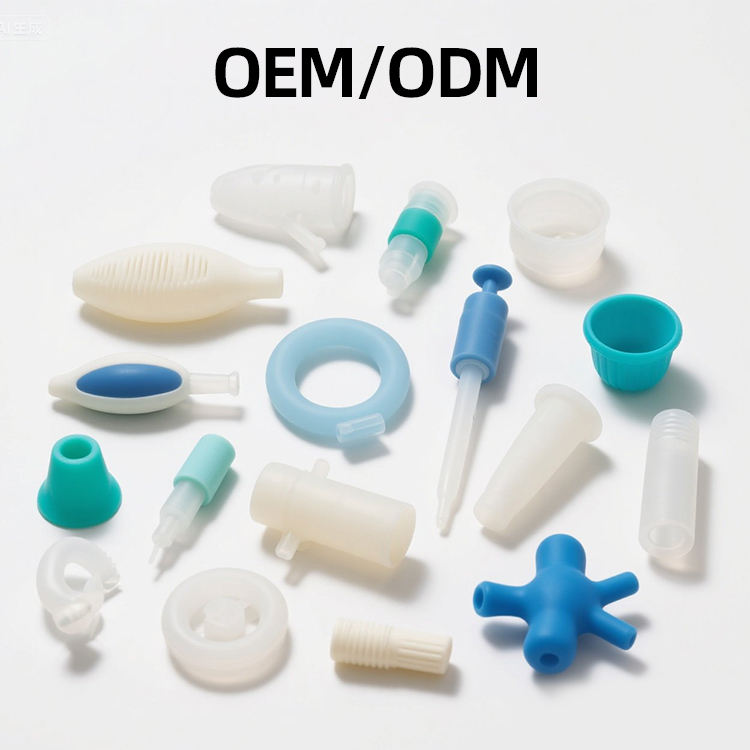
Understanding FDA Compliance and Biocompatibility in Silicone Medical Components
What Makes Silicone Suitable for FDA Compliance in Medical Applications
The reason why silicone works so well in medical devices comes down to its stable molecular makeup, which makes it compatible with our bodies. Because it doesn't react with bodily fluids or medicines, doctors can trust it for things that need to move around inside us, like those tiny pumps they put in patients or the masks used during breathing treatments. Most stats show that over two thirds of all medical devices approved by the FDA actually contain silicone, mainly because it meets strict regulations about what materials can touch living tissue repeatedly. What sets medical grade silicone apart from regular rubber is that manufacturers don't add any extra chemicals or plasticizers that might somehow escape into the body later on. This absence of additives helps explain why silicone consistently passes those tough USP tests for cell toxicity and overall system safety when tested in labs.
Key Regulatory Standards: FDA 21 CFR 177.2600 and USP Class VI Certification
Two primary standards ensure silicone safety in healthcare:
- FDA 21 CFR 177.2600: Requires extractables testing to confirm that no hazardous chemicals migrate from silicone components into drugs or tissues during repeated use
- USP Class VI: Involves six rigorous biocompatibility tests, including intracutaneous and implantation studies lasting over 120 hours
These align with ISO 10993 guidelines for biological evaluation, forming a comprehensive safety framework. Devices using compliant silicone have shown a 78% reduction in adverse event reports compared to non-certified alternatives, according to a 2023 study.
The Role of Platinum-Cured Silicone in Ensuring Biocompatibility
Silicones cured with platinum reach almost 99.97% purity because they get rid of those pesky peroxides and sulfur compounds that hang around in regular curing processes. This matters a lot when it comes to medical devices such as pacemaker leads where our bodies might react badly to foreign substances. The material holds up really well too, surviving over 1,000 autoclave cycles which makes it reliable for long term implantation. Plus, it passes all the necessary tests under ISO 10993-5 regarding cell toxicity. What's more impressive is how stable these materials stay across extreme temperatures. They work just fine at minus 80 degrees Celsius down to blistering hot conditions around 250 degrees Celsius. That means doctors can store sensitive equipment at ultra cold temps or sterilize instruments with heat without worrying about any degradation in performance.
Critical Material Properties of Medical-Grade Silicone for Device Safety and Performance
Non-Toxic and Chemically Inert Nature of Silicone Medical Components
Medical grade silicone works well inside the body because it doesn't react with medicines or body fluids thanks to its stable chemical makeup. When made using platinum curing methods, these materials regularly pass the strict USP Class VI tests required by regulatory bodies. Testing according to FDA guidelines shows extractable levels stay below 1%, which is pretty impressive considering what we're dealing with here. For this reason, they're commonly used in critical medical situations including implantable devices, tubes for delivering medication, and equipment designed for newborn care where any kind of material transfer needs to be completely eliminated.
Chemical Resistance and Stability in Harsh Medical Environments
Silicone parts stand up pretty well against things that normally break down materials in medical environments. They don't degrade when exposed to stuff like body fats, cleaning chemicals, sunlight exposure, or ozone gas that are everyday problems in hospitals and clinics. Because silicone is naturally water repelling, it doesn't swell when used in systems where fluids need to move through them, such as those tubes used during dialysis treatments. Lab tests that speed up the aging process have found these materials keep almost all (about 99.6%) of their initial strength even after sitting for five whole years in conditions mimicking what happens inside the human body. That kind of performance makes silicone components quite reliable over time, which matters a lot for medical devices that need to last without failing.
Thermal and Mechanical Resilience of FDA-Compliant Silicone Materials
Medical silicones can handle pretty extreme temperatures ranging between minus 55 degrees Celsius all the way up to 250 degrees without becoming brittle, which makes them far better suited than most thermoplastics when dealing with harsh conditions found in things like MRI equipment or devices that go through autoclaving processes. The material also boasts impressive tear strength around 25 kilonewtons per square meter, something that lets parts keep working even after lots of bending and stretching required by components such as ventilator diaphragms and various types of wearable health monitoring sensors. With a hardness scale from 30 to 80 on the Shore A measurement system, manufacturers have plenty of flexibility to create gasket materials that need to be both tough enough to last long term while still being able to compress properly under changing pressure situations throughout their service life.
Sterilization Compatibility: Autoclave, Gamma, and EtO Resistance
Platinum-catalyzed silicones maintain over 95% elongation after 100+ cycles of:
- Steam sterilization (121°C @ 15 psi for 30 minutes)
- Gamma irradiation (25–50 kGy doses)
- Ethylene oxide processing (55°C with 450–1200 mg/L gas concentration)
This resilience enables reuse of critical components like laparoscopic seals and anesthesia masks, supporting compliance with FDA 510(k) requirements for reusable medical devices.
Precision Engineering and Manufacturing of Custom Silicone Components
Advanced Molding Techniques for High-Tolerance Medical Gaskets and Tubing
The LSR injection molding process makes it possible to create medical parts with really tight tolerances, sometimes below 50 microns, and walls as thin as 0.2 mm. These specs make it great for things like microfluidic tubing and those tiny precision gaskets that need to fit perfectly. When using multi cavity molds equipped with proper temperature controls, manufacturers can produce consistently good quality parts even when running batches over a million units. And they still meet those FDA requirements listed in 21 CFR 177.2600, which is important for anyone working in regulated industries where documentation matters just as much as product quality.
Design Flexibility in Custom Silicone Components for Medical Applications
Manufacturers are now able to produce intricate shapes that just weren't possible before thanks to 3D CAD modeling combined with rapid prototyping techniques. According to research published in the Medical Device Materials Study from 2023, platinum cured silicon materials offer something really special. These materials can actually be adjusted throughout a wide hardness spectrum ranging from 10 to 80 on the Shore A scale while still maintaining their USP Class VI certification status. What does this mean practically? Well, it means engineers can design parts as single components rather than having to assemble multiple pieces together for things like medication dispensers or health monitoring wearables. The result is better product reliability overall plus significant savings when putting products together during manufacturing.
Tight Tolerances and Repeatability in Mass Production
Automated vision inspection systems with 5-micron resolution verify 100% of critical sealing surfaces in high-volume manufacturing. Statistical process control (SPC) keeps batch-to-batch tensile strength variation below 8%, crucial for components like syringe plungers that require less than 2% compression set after 10,000 cycles (per ASTM D395).
Case Study: Precision-Engineered Silicone Seals in Ventilator Systems
A leading respiratory device manufacturer reduced seal failure rates by 62% after switching to dual-durometer LSR seals. These redesigned components, featuring integrated anti-viral surface treatments, maintained leakage rates of just 0.008 cc/min at 30 psi through over 500 combined autoclave and EtO sterilization cycles.
Key Applications of Silicone Medical Components in Critical Devices
Critical Use of Silicone Medical Components in Life-Support Equipment
Silicone components are essential in life-support systems such as ventilators, ECMO machines, and oxygenators. Their chemical inertness and mechanical durability ensure reliable operation during prolonged patient contact. In ventilators, FDA-compliant silicone seals maintain airtight performance across millions of cycles—an indispensable feature in emergency and intensive care settings.
Silicone Tubing for Fluid Transfer in Dialysis and Infusion Devices
Silicone tubing designed for medical applications has become essential in devices like infusion pumps and hemodialysis equipment. Most contemporary systems depend on this material to move blood, drugs, and saline throughout treatment processes. Around 8 out of 10 modern setups actually use silicone for these purposes. What makes it so important? The material doesn't react with bodily fluids or medications, plus it can handle repeated sterilization. Medical facilities typically run these tubes through about a thousand autoclave cycles at temperatures around 135 degrees Celsius before replacement becomes necessary. This durability ensures clean pathways for fluids during long term treatments where contamination risks must be minimized at all costs.
Sealing Solutions with FDA-Compliant Silicone Gaskets in Surgical Tools
Precision silicone gaskets provide leak-proof seals in laparoscopic instruments and sterilization chambers, meeting USP Class VI certification for biological safety. Surgical robotics increasingly utilize micro-silicone seals capable of sustaining μm tolerances after repeated gamma radiation sterilization, effectively preventing microbial contamination in minimally invasive procedures.
Regulatory Compliance and Quality Assurance in Silicone Component Manufacturing
Manufacturer Responsibilities Under FDA Regulations for Silicone Components
Medical grade silicone manufacturers need to follow FDA regulations under 21 CFR 820. Their quality control systems should cover important aspects like design validation (DV) and process validation (PV) specifically for products such as tubing and seals. Looking at recent data from 2023, factories hitting around 93% first time approval during FDA inspections show they're generally meeting what regulators expect. When there are issues with compliance, companies have to fix them through corrective and preventive actions (CAPA) within a month. This timeframe becomes especially important when talking about parts going into life saving equipment like ventilators and dialysis machines where reliability cannot be compromised.
Documentation and Traceability in Producing USP Class VI Certified Parts
The FDA's Unique Device Identification rules demand complete tracking from raw polymer all the way through to the final product. For every batch of platinum cured silicone, manufacturers need to provide a certificate showing that extractables stay under 10 parts per million according to USP Class VI standards. Looking at what's happening across the industry, most problems seem to come down to two main areas. According to recent industry reports, around 8 out of 10 FDA warning letters point to either missing sterilization validation steps or poor supplier checks when it comes to those critical silicone seals used in surgical tools.
Quality Management Systems (ISO 13485) in Custom Silicone Manufacturing
ISO 13485-certified facilities experience 40% fewer manufacturing deviations by applying risk-based methodologies like FMEA to catheter tubing production. Real-time monitoring with automated vision systems achieves ±0.001" tolerances in 98% of silicone gasket runs—essential for high-precision applications such as MRI-compatible devices.
FAQ
What is FDA Compliance for silicone medical components?
FDA compliance ensures that silicone medical components meet safety and biological standards by following key regulations like FDA 21 CFR 177.2600 for extractables testing and USP Class VI for biocompatibility.
Why is platinum-cured silicone preferred for medical devices?
Platinum-cured silicone is favored for its high purity levels of 99.97%, eliminating peroxides and sulfur compounds, thus increasing biocompatibility and reducing adverse reactions in medical applications.
How does silicone's chemical resistance benefit medical devices?
Silicone's chemical resistance prevents degradation from body fluids, cleaning chemicals, and environmental exposure, ensuring durability and reliability of medical devices over time.
What are the sterilization processes compatible with silicone materials?
Silicone materials can endure steam sterilization, gamma irradiation, and ethylene oxide processing, making them suitable for repeated use and compliance with FDA requirements for reusable medical devices.
What roles do manufacturers need to fulfill for FDA compliance?
Manufacturers must adhere to FDA regulations, maintain quality control, ensure traceability in producing certified parts, and take corrective actions to address any compliance issues.
Table of Contents
- Understanding FDA Compliance and Biocompatibility in Silicone Medical Components
- Critical Material Properties of Medical-Grade Silicone for Device Safety and Performance
- Precision Engineering and Manufacturing of Custom Silicone Components
- Key Applications of Silicone Medical Components in Critical Devices
- Regulatory Compliance and Quality Assurance in Silicone Component Manufacturing
-
FAQ
- What is FDA Compliance for silicone medical components?
- Why is platinum-cured silicone preferred for medical devices?
- How does silicone's chemical resistance benefit medical devices?
- What are the sterilization processes compatible with silicone materials?
- What roles do manufacturers need to fulfill for FDA compliance?