
 EN
EN
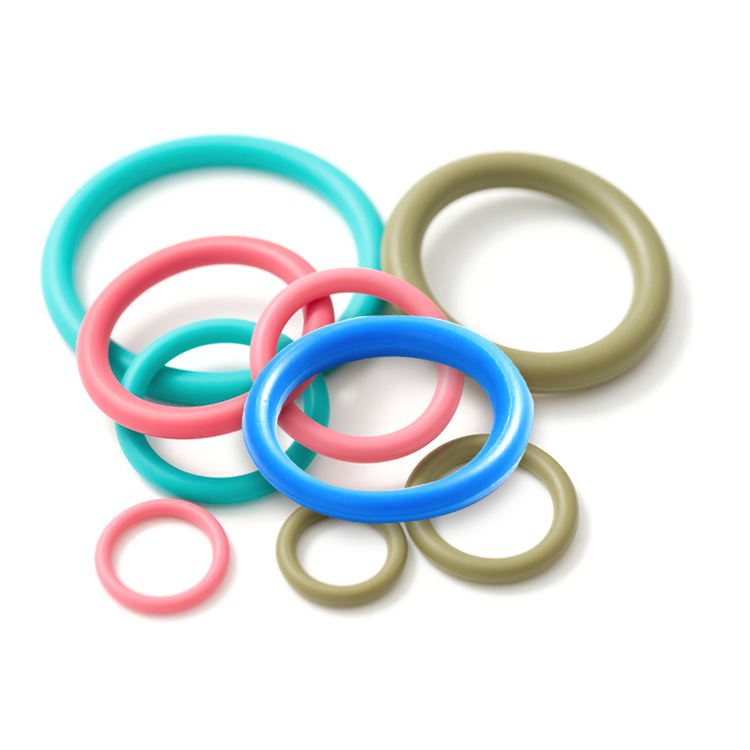
Accelerating Production with Custom Silicone Rubber Molds
Rapid Tooling Advantages Over Traditional Metal Molds
Silicone rubber molds cut out the whole hassle of traditional CNC machining, slashing production time down to around 48 to 72 hours instead of the usual 2 to 5 weeks needed for aluminum or steel tools. The reason behind this speed? A much simpler workflow really. Just pour liquid silicone rubber (LSR) onto those 3D printed master models, let it cure either at room temp or pop it in an oven, then take it out ready to go without needing any extra finishing work. For manufacturers, this means they can check off design validation in no time flat, run several different versions simultaneously, and get their first article inspections done nearly 90% quicker compared to metal molds. Such flexibility makes all the difference in industries where things move at lightning speed, think consumer electronics or medical device manufacturing where getting products to market fast often determines success.
Cycle Time Reduction and Efficiency in Low-Volume Manufacturing
When talking about production quantities below 5,000 units, silicone compression molding can cut down on how long each part takes to make by somewhere around 15 to maybe even 30 percent when compared against traditional injection molding methods. The pressure needed here ranges from about 50 to 200 psi, which is way less than what metal molds require at over 15,000 psi. Because of these lower pressures, getting materials into place happens quicker and the cooling down period isn't so lengthy since there's just not as much heat built up in the system. Typically speaking, parts made through silicone compression take anywhere from 8 to 12 minutes per cycle while those using metal processes often need 25 to 40 minutes. What makes this approach efficient? Well, first off, there's no need to warm things up beforehand. Cooling happens naturally without extra steps, and taking parts out at the end is much simpler manually speaking.
| Factor | Silicone Molds | Metal Molds |
|---|---|---|
| Preheat Requirements | None | 30–60 mins |
| Cooling System Needs | Passive | Active |
| Ejection Complexity | Manual | Automated |
Manufacturers producing 300–500 specialty gaskets in a single shift report a 63% increase in throughput using silicone molds. Integrated venting channels further reduce air traps, minimizing post-processing labor and improving part consistency.
Data Insight: 40–60% Faster Turnaround with Silicone vs. Metal Tooling
In 2023 researchers looked at how efficient rapid tooling really is by examining around 47 different manufacturing projects in both cars and airplanes industries. What they found was pretty impressive actually silicone molds produced working prototypes about 58 percent quicker than other methods. Lead times dropped dramatically too, going down from 34 days all the way to just 14 days. Most of this time saving came from getting rid of those expensive EDM machines which alone saved about 38% of the total time needed. Quality checks also took less effort overall, contributing another 22% improvement. All these numbers point to why so many companies are turning to silicone for their prototyping needs especially when bringing products to market fast matters more than worrying about lasting forever.
Balancing Speed and Durability: Trade-Offs in Mold Longevity
Most silicone molds tend to handle around 500 to 2,000 production cycles, which pales in comparison to metal molds that can go well beyond 100,000 cycles. But here's the thing many overlook: for small production runs, this difference really doesn't matter much at all. Take a look at the math. A silicone mold costing about $1,200 for making 500 parts actually brings down the price per unit by roughly 40% compared to spending $18,000 on a metal mold for the exact same number of products. That's why so many startups and research departments gravitate toward silicone first. They test their ideas in the marketplace with these cheaper options before committing to expensive metal tooling once demand picks up. The good news? Recent advancements have improved things quite a bit. Newer silicone blends reinforced with nanoparticles are extending mold lifespan by approximately 22%, and they still cure quickly enough not to slow down production too much.
Efficient Small-Batch Production Using Silicone Compression Molding
Advantages of Silicone Molds for Limited Production Runs
For small batch runs, silicone rubber molds present a much cheaper option than traditional metal tooling. Companies can save around two thirds on initial setup costs when compared to injection molding processes. What really stands out is how flexible these molds are. They let manufacturers pull out even the most complicated shapes including those tricky undercuts and delicate thin walls without breaking a sweat or damaging the finished product. Good quality molds maintain pretty impressive dimensional accuracy too, hitting within about half a millimeter tolerance if properly maintained over time. That level of precision explains why so many medical device makers and automotive prototype shops rely on them. These industries need parts that work right out of the box for testing purposes and meet strict regulations, but don't want to commit to mass production just yet.
Reducing Time to Market with Integrated In-House Mold Making
When companies bring silicone mold fabrication into their own facilities, they typically cut down product launch times by around three to five weeks. Getting rid of dependence on outside toolmakers means engineering departments can actually make molds within just over a day these days, thanks to 3D printed masters paired with regular curing ovens most shops already have. The real game changer comes when products need tweaking during testing phases because having everything on site lets engineers adjust designs right there on the spot, which speeds up how quickly different versions get made. Some research from last year showed that teams working internally with those fancy alignment systems finished mold construction about forty percent quicker compared to what outside vendors could manage. For companies in consumer electronics especially, this makes all the difference when rolling out new seasonal gadgets that need fast approval before hitting store shelves.
Supporting Iterative Design with Flexible, Reusable Molds
Silicone molds typically last around 30 to maybe even 50 uses before needing replacement, and they handle small design tweaks pretty well from one production run to the next. That makes these molds really good for startups working on things like wearable tech or smart device cases where designs often change during development. The stuff works differently than those hard metal molds we all know from injection molding shops. With silicone, designers can make little adjustments to shapes and sizes without having to throw away their existing tooling setup just because something needs fixing. Industry folks actually say that companies using silicone end up revising their molds about 75-80% less frequently than when they stick with older techniques. And what's great is this flexibility continues long after products hit store shelves too. Manufacturers can easily add features such as tiny air vents or brand logos later on without completely scrapping what they already have invested in.
Optimizing the Silicone Molding Process for Maximum Efficiency
Why Manual Demolding Doesn’t Compromise Overall Time Savings
Despite what some might think about all the fancy automated systems out there, many shops still find that hand demolding works just fine for smaller production runs. Experienced workers know how to get those tricky parts out in around two to three minutes each. That doesn't seem like much extra time when considering how much faster things cure without needing all that preheating first. Another big plus? When people handle the molds themselves instead of relying on robots, they actually take better care of them. Studies show this approach cuts down on mold damage and rework needs by about 17 percent according to research published last year in Nature.
Improving Material Flow and Cure Time in Custom Molds
Modern simulation tools predict silicone flow behavior with 92% accuracy, enabling engineers to optimize gate placement, runner design, and venting to eliminate air entrapment. These refinements reduce cure time by 25–40% while maintaining dimensional stability. Adjusting key parameters enhances efficiency across the board:
| Parameter | Traditional Range | Optimized Range | Time Saved |
|---|---|---|---|
| Injection Pressure | 25-35 MPa | 18-22 MPa | 12% |
| Cure Temperature | 150-170°C | 135-145°C | 19% |
| Mold Cooling Rate | 8°C/min | 12°C/min | 23% |
These improvements are particularly effective when combined with high-thermal-conductivity silicone compounds that accelerate heat dissipation.
Case Study: Automotive Sensor Housing Produced in 72 Hours
Recently, one of those big name automotive suppliers managed to churn out 500 sensor housings in just three days thanks to some custom silicone molds they had made. That's about 70 percent quicker compared to what traditional metal tooling could manage. What really made this possible was their use of conformal cooling channels along with some special silicone materials that handle heat better. These improvements cut down the cycle time to around 45 seconds per part, all while keeping things pretty precise within plus or minus 0.05 millimeters. The fast production meant parts arrived exactly when needed for a prototype car assembly line. This kind of speed shows why more manufacturers are turning to silicone tooling these days, especially when dealing with projects where timing is absolutely critical.
Pre-Cure Simulation to Minimize Trial-and-Error Cycles
FEA tools are getting pretty good at predicting how silicone cures these days, with around 94% accuracy in most cases. That means companies need to build fewer physical prototypes, cutting down on those trial runs by about 60 to maybe even 75 percent. What this allows engineers to do is test out roughly 15 to 20 different combinations when it comes to materials, temperature settings, and mold designs before ever making something tangible. Virtual testing really speeds things up too, shaving off two or three weeks from what would normally be months long development cycles. And the success rate when they finally do go to production? Much better than before, particularly when dealing with complex parts such as fluid manifolds or those tricky sealed enclosures that always seem to give problems during initial testing.
Semi-Automated Post-Processing Trends for Sustained Speed
Combining robotic trimming that takes around 3 seconds per part with old fashioned manual checks keeps the first pass rate at about 98%, which is pretty good considering all the delicate details involved. Robots take care of the boring flash removal tasks, but people still need to look closely at those tricky areas like thin walls and undercuts where fully automatic systems tend to cause problems. This mix of tech and human touch actually works well for keeping the time advantages from the molding stage intact. Plus it makes sense when companies want to move their products from just prototypes to actual small scale manufacturing runs without losing control over quality standards.
In-House Silicone Mold Making: Gaining Control Over Speed and Iteration
Benefits of On-Site Custom Silicone Rubber Mold Development
Making silicone molds internally cuts down wait times by around 70% or so when compared to sending work out to third parties, based on what manufacturers have been reporting lately. A team with just a few 3D printers plus some simple mixing and curing equipment can get working prototypes ready within a day or two. Having mold tools right at hand makes all the difference during those trial runs for compression molding. Think about it: when developing parts for things like surgical instruments or tiny sensor casings where measurements matter, being able to tweak designs instantly saves both time and money. Plus there's another benefit nobody talks about much but everyone cares about these days - keeping sensitive designs secure while avoiding all the hassle and costs associated with shipping molds back and forth between facilities.
Managing the Trade-Off: Higher Initial Labor for Long-Term Lead Time Reduction
Making silicone molds by hand does need some pretty skilled workers who know their stuff when it comes to degassing, pouring materials correctly, and making those exact cuts. But all that effort is worth it because these molds can be reused multiple times and help speed up the whole design process. According to what various industry folks have reported, good quality silicone molds typically make around 15 to maybe even 20 decent parts before they start showing wear. And they maintain pretty tight tolerances too, staying within about half a millimeter accuracy most of the time. This really matters in industries such as automotive manufacturing where suppliers need to tweak things like sensor housings and connector designs quickly without causing delays further down the production line.
FAQs
What are the main benefits of using silicone rubber molds over metal molds?
Silicone rubber molds offer faster production times, reduced costs, and flexibility in design changes compared to traditional metal molds. They are especially advantageous for low-volume manufacturing and rapid prototyping.
How do silicone molds contribute to faster product launches?
By allowing in-house mold production and quick adjustments, silicone molds help reduce dependence on external toolmakers, speeding up the design and prototyping process.
What are the durability trade-offs between silicone and metal molds?
Although silicone molds have a shorter lifespan than metal molds, they are more cost-effective for small production runs, offering significant savings.
Can silicone molds handle complex designs?
Yes, silicone molds are capable of producing complex shapes and intricate details, making them ideal for industries that require precision in small batches, such as medical devices and automotive prototypes.