
 EN
EN
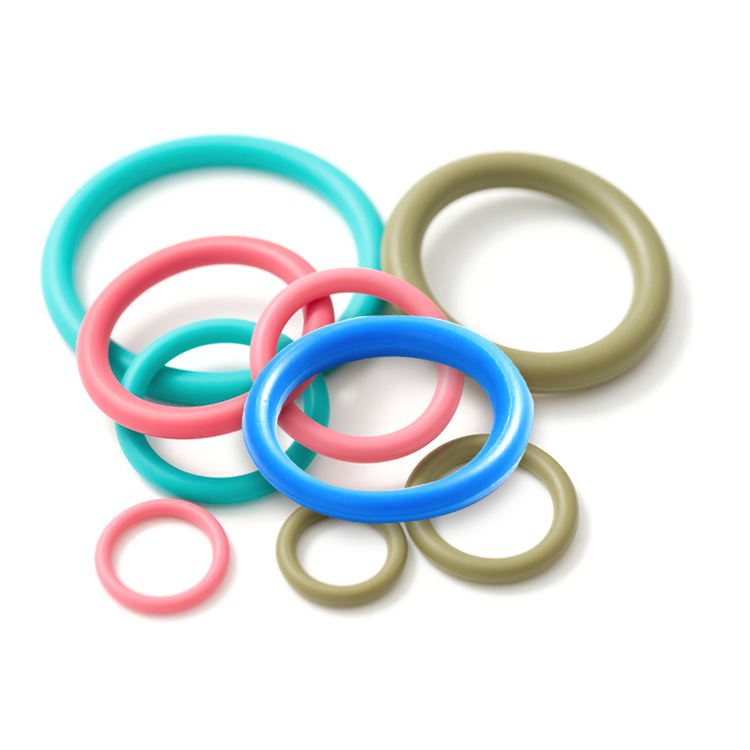
The Significance of IATF 16949 Certification in Automotive O Seal Rings Manufacturing
The IATF 16949 certification is pretty much considered the benchmark for quality management in the automotive sector, especially when it comes to producing O Seal Rings where precision matters a lot. With cars now dealing with tougher emission rules and running hotter than ever before, having this certification means manufacturers can work on cutting down defects across their processes while still hitting those tough OEM specs for heat tolerance and resistance to chemicals. According to a recent 2023 report from the Automotive Quality Index, companies with IATF certification actually see about 37 percent fewer warranty issues than those without it. That kind of track record really speaks volumes about how important this certification is for keeping the whole automotive supply chain trustworthy and reliable over time.
Understanding IATF 16949:2016 and Its Relevance to O Seal Ring Production
IATF 16949:2016 takes the foundation of ISO 9001 and adds specific controls needed for the automotive industry. Think about things like APQP for product quality planning and FMEA analysis when looking at potential failures. Manufacturers working with O Seal Rings need to check each design element thoroughly. We're talking about everything from choosing the right silicone compounds all the way down to how tight those mold tools are made. They have to test these seals under conditions that mimic what happens in actual vehicles. Take automotive sealing products that meet IATF standards for example. These must show leakage rates below 0.2 percent after being tested for 500 hours continuously. That kind of performance is crucial because modern electric vehicle batteries generate heat that demands reliable sealing solutions.
Enhancing Quality Control and Reducing Defects Through IATF Compliance
The IATF Process Approach requires manufacturers to implement statistical process control for key measurements in O Seal Rings. We're talking about things like cross section diameter, which needs to stay within ±0.05mm tolerance, and Shore A hardness readings around 50±5. Companies that follow these guidelines see a pretty impressive drop in rejected parts – roughly 52% less waste according to the Automotive Components Benchmark from 2024. Keeping an eye on injection molding parameters as they happen makes all the difference. Temperature fluctuations need to stay under 1 degree Celsius, pressure variations should not exceed 2%, and cure times must be consistent. When these factors drift out of range, it can really mess up the seals in important automotive components like turbochargers and transmissions where reliability is absolutely critical.
Meeting Automotive Industry Standards with Certified Sealing Solutions
OEMs now require IATF 16949 certification for 89% of silicone rubber seal procurements (Global Automotive Sourcing Trends 2023). Certified O Seal Rings undergo rigorous validation against industry-specific standards:
- SAE J200/J2238 for fluid compatibility
- ASTM D2000/SAE AMS 7276 for compression set
- GMW15634 for electric vehicle thermal cycling
This multilayered compliance ensures reliable performance across -50°C to 200°C operating ranges in EV powertrains and ADAS sensor housings.
Case Study: Improved Reliability of O Seal Rings Under IATF 16949 Standards
One major Tier 1 supplier cut down coolant leaks by around 60 percent when they started using controls aligned with IATF standards for making silicone O seal rings. What really made the difference? They put in place automated vision systems that check every single seal for tiny tears that might escape notice otherwise. The team also updated their Failure Mode and Effects Analyses to tackle problems caused by ethanol blended fuels swelling the seals over time. Plus, they worked with suppliers to create special test equipment that mimics what happens during about ten years or 240 thousand kilometers of driving vibrations. After getting certified under these new standards, the company landed nearly three million dollars worth of fresh business deals from car manufacturers in Europe making electric vehicles. This shows just how much of a real world effect proper IATF compliance can have on staying competitive in today's markets.
High-Precision Engineering in Custom O Seal Rings Manufacturing
Advanced CNC Machining and Molding Technologies for Dimensional Accuracy
Today's automotive sealing systems need incredibly tight tolerances around plus or minus 0.01 mm according to ASME standards from 2023 just to stop fluids from getting where they shouldn't in parts like turbochargers and transmissions. The CNC machining centers get this kind of precision by using those fancy multi-axis cutting tools on silicone rubber blanks, keeping variance below 10 microns most of the time. Meanwhile, injection molding keeps things consistent too, hitting the right cross section in about 99 out of every 100 production runs. All these advanced manufacturing methods let O seal rings actually meet those tough SAE J200 specs when it comes to resisting compression set issues during all sorts of dynamic sealing situations that happen inside engines and drivetrains.
Automation and AI in Ensuring Consistent Precision at Scale
When automated optical inspection systems work alongside AI process controls, they cut down on dimensional defects by around 62% compared to traditional manual checks according to a recent SME case study from 2023. These machine vision systems actually look at every single O seal ring for tiny cracks and shape irregularities right during those critical cooling periods after molding. The system then makes instant changes to pressure levels and temperatures inside the molds as needed. What's really impressive is how this whole feedback loop keeps everything within ISO 3601-3 standards even when factories are churning out over 50 million parts each year.
Maintaining Tight Tolerances in Mass Production of O Seal Rings
Statistical Process Control or SPC helps factories maintain those tight 0.05 mm concentricity specs even when running over 20,000 parts at once according to ISO standards. The twin screw extruders come equipped with lasers that adjust for material shrinking as it goes through vulcanization. Meanwhile, inline CMMs check those critical groove areas just two hours after they're made. All these quality checks mean components stay leak proof despite going through extreme temperature changes ranging from minus 55 degrees Celsius all the way up to 200 degrees. Most shops find this level of control essential for their long term reliability requirements.
Balancing Cost Efficiency with High-Precision Manufacturing Demands
Studies show that applying value engineering techniques can cut down on material waste somewhere around 18 to 22 percent according to research from SAE Technical Paper 2023-01-1805, all while keeping seals intact. The modular approach to mold design makes switching between different automotive O ring profiles much quicker these days, especially when dealing with the standard 356 types commonly found in the industry. Meanwhile, smart maintenance systems based on predictive analytics help stretch out the life of tools by roughly 40%. When companies focus on fine tuning their production cycles and managing how much silicone they actually need, they not only meet those ASPICE standards for reducing costs per part but also stop defective products from making it onto the assembly line where problems really start to pile up.
Custom Design and Application-Specific Optimization of O Seal Rings
Engineering Custom O Seal Rings for Unique Assembly and Performance Needs
Modern automotive systems demand O seal rings tailored to specific geometric constraints and operational requirements. Leading manufacturers employ parametric modeling and finite element analysis (FEA) to optimize cross-sectional diameters, groove dimensions, and compression ratios. For example, turbocharger seals require higher hardness (70â80 Shore A) to withstand 200â300 psi pressure spikes (SAE International 2023). This precision minimizes leakage risks in dynamic applications while accommodating irregular mating surfaces.Material Compatibility and Environmental Resistance in Tailored Seals
Material selection balances three critical factors:
Property
Automotive Requirement
Silicone Rubber Advantage
Temperature resistance
-40°C to +200°C operational range
Maintains flexibility across range
Chemical exposure
ASTM oil #3 immersion compliance
<0.5% volume swell after 168h testing
Compression set
â¤10% deformation after 1,000h
ASTM D395 Class B compliance
These formulations prevent seal hardening during cold starts and degradation in oil-contaminated environments.Case Study: O Seal Rings for Harsh Automotive Operating Conditions
A 2023 field study compared standard vs. custom O seal rings in electric vehicle battery cooling systems. The optimized seals reduced leakage incidents by 87% over 50,000 thermal cycles (-30°C to +120°C). Improvements included 0.2mm tighter axial tolerances, 5% higher filler content for thermal stability, and an asymmetric lip design for bidirectional pressure. This solution extended maintenance intervals from 12 to 36 months in fleet testing.Collaborative Development Processes with OEMs for Custom Sealing Solutions
IATF 16949-certified suppliers use concurrent engineering workflows, integrating OEM CAD models with real-world failure mode data. A tier-1 transmission manufacturer reduced prototype iterations by 40% using cloud-based DFMEA platforms, accelerating time-to-market for hybrid drivetrain seals. This partnership model ensures compliance with AS680D and ISO 3601-3 standards while meeting cost targets.Why Silicone Rubber Is the Preferred Material for Automotive O Seal Rings
Superior Heat Resistance in Engine and Exhaust System Applications
Silicone O seal rings hold up well between temperatures of minus 60 degrees Celsius all the way up to around 232 degrees Celsius, which beats most regular rubber options when it comes to tough engine conditions. Their ability to stay stable under heat means they don't get brittle or crack in places like turbochargers and exhaust manifolds where parts often run hotter than 250 degrees. Recent testing back in 2024 showed that even after going through over a thousand heating cycles, silicone still keeps about 92% of its original flexibility. That kind of resilience matters a lot for keeping proper compression in seals that need to work reliably despite constant movement and temperature changes.
UV, Ozone, and Environmental Durability of Silicone Rubber Seals
Silicone demonstrates 72% better resistance to ozone degradation than EPDM (Polymer Engineering Journal 2023), ensuring consistent performance in exterior applications such as EV battery housings and sensor connectors exposed to sunlight, acid rain, and road salt. Unlike nitrile rubber, silicone doesnât require additional UV stabilizers, simplifying production.
Chemical Resistance and Long-Term Stability in Dynamic Sealing Roles
Silicone resists transmission fluids, engine oils, and DEF (Diesel Exhaust Fluid), preventing swelling and preserving compression forces. Testing shows it retains 98% of original elastomer properties after 5,000 hours of chemical exposure in fuel injection systemsâsignificantly outperforming fluorocarbon seals, which degrade three times faster when exposed to biodiesel blends.
Flexibility Across Extreme Temperatures and Vibration-Prone Environments
With a 300% elongation capacity, silicone O Seal Rings maintain contact in vibrating powertrain components while compensating for thermal expansion differences between metals and polymers. Its damping efficiency reduces vibration-induced wear by 40% in drivetrain applications compared to rigid thermoplastics (SAE Technical Paper 2023).
Extended Service Life and Reduced Maintenance Costs
Implementation of silicone O Seal Rings in automotive thermal management systems has reduced seal-related warranty claims by 40% (Automotive Engineering Consortium 2023), translating to $240 annual savings per vehicle in maintenance costs. This longevity supports OEM sustainability goals by reducing replacement frequency.
Comparative Analysis of Elastomers: Why Silicone Outperforms in Automotive Sealing
Modern automotive sealing demands materials capable of balancing chemical stability, thermal resilience, and long-term flexibility. Silicone O seal rings have become the preferred choice over nitrile (NBR) and EPDM due to their unmatched adaptability to extreme conditions.
Silicone vs. Nitrile (NBR) and EPDM: Key Performance Differences
Nitrile is great at resisting oils while EPDM does well against ozone damage, but silicone actually has more going for it overall. Silicone stays flexible from as cold as minus 55 degrees Celsius all the way up to around 250 degrees Celsius. That beats out NBR which works best between minus 40 and plus 120, and EPDM that handles about minus 50 to plus 150. What makes silicone really stand out though is how its molecules don't break down over time when compressed repeatedly. This matters a lot for seals that get used again and again under pressure without failing.
Evaluating Temperature Range, Chemical Resistance, and Lifespan
Siliconeâs thermal stability prevents hardening during cold starts and cracking in exhaust systems above 200°C. Unlike NBR, it withstands prolonged UV exposure without deterioration and resists glycol-based coolants. Independent testing shows silicone seals retain 85% of initial flexibility after five yearsâ40% longer than EPDM equivalents.
Industry Trend: Rising Demand for Multi-Functional Silicone Rubber Seals
Automakers increasingly prioritize multifunctional materials. Over 72% of EV battery pack manufacturers have transitioned to silicone O rings since 2023, leveraging its dielectric properties and thermal management capabilities alongside sealing performance.
FAQ
What is IATF 16949 certification?
IATF 16949 certification is a global standard for quality management systems specifically designed for the automotive industry. It builds upon the ISO 9001 framework by incorporating specific requirements for automotive sector processes to enhance quality and efficiency.
Why are O Seal Rings important in automotive manufacturing?
O Seal Rings are crucial in automotive manufacturing because they ensure optimal sealing and protection against fluid leakage, which is essential for maintaining the performance and safety of automotive components like turbochargers and transmissions.
How does IATF 16949 certification enhance O Seal Ring production?
IATF 16949 certification enhances O Seal Ring production by enforcing stringent quality control measures and industry-specific standards. This reduces defects, minimizes waste, and ensures reliable performance in high-temperature and chemically exposed environments.
Why is silicone rubber the preferred material for O Seal Rings?
Silicone rubber is the preferred material for O Seal Rings due to its superior heat resistance, chemical stability, and long-term flexibility. It effectively withstands extreme temperatures, UV exposure, and harsh chemicals, ensuring longevity and consistent sealing performance in dynamic automotive applications.
Table of Contents
- The Significance of IATF 16949 Certification in Automotive O Seal Rings Manufacturing
- High-Precision Engineering in Custom O Seal Rings Manufacturing
-
Why Silicone Rubber Is the Preferred Material for Automotive O Seal Rings
- Superior Heat Resistance in Engine and Exhaust System Applications
- UV, Ozone, and Environmental Durability of Silicone Rubber Seals
- Chemical Resistance and Long-Term Stability in Dynamic Sealing Roles
- Flexibility Across Extreme Temperatures and Vibration-Prone Environments
- Extended Service Life and Reduced Maintenance Costs
- Comparative Analysis of Elastomers: Why Silicone Outperforms in Automotive Sealing
- FAQ